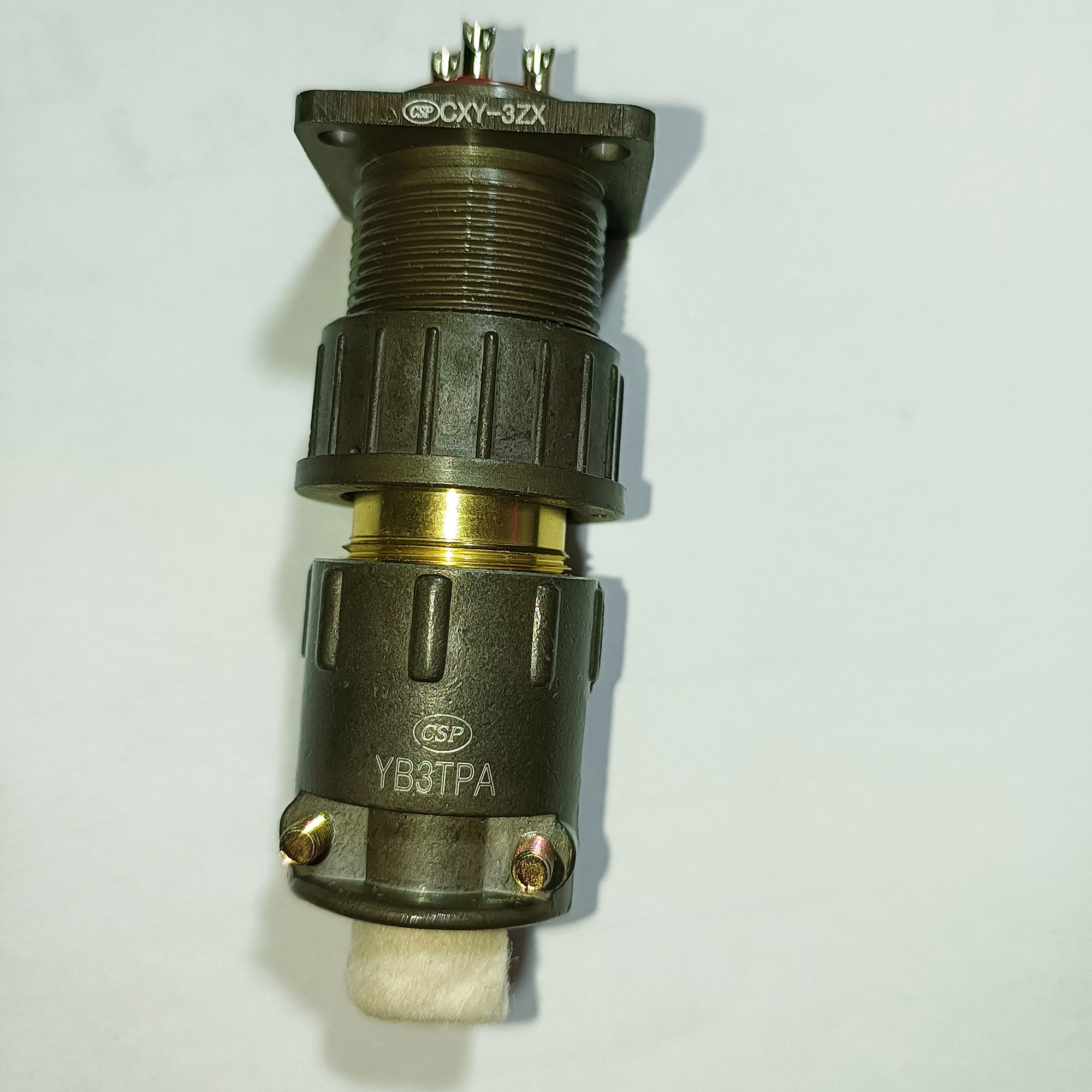
Aviation Connector Materials Comparison: A Procurement Manager's Guide to Optimal Selection
For B2B procurement managers in the aerospace, defense, and heavy machinery sectors, specifying the correct connector materials is a critical engineering decision that directly impacts system reliability, weight, lifecycle cost, and compliance. Whether sourcing connectors for a next-generation High quality Aviation Engine sensor array, a ruggedized Military Aviation Relay panel, or an Aviation Meter for Drone, the material choice forms the foundation of performance. This guide provides a detailed, application-driven comparison of aviation connector materials, empowering you to make technically sound and economically optimal procurement decisions.

Core Material Showdown: Properties, Pros, and Cons
The selection process involves balancing seven key factors: strength-to-weight ratio, corrosion resistance, electrical performance, thermal conductivity, EMI shielding, cost, and manufacturability. Here, we analyze the four dominant material families.
1. Aluminum Alloys (e.g., 6061-T6, 7075-T6)
The most common material for commercial aviation and many military applications due to its excellent balance of properties.
- Key Characteristics: Lightweight, good strength, excellent machinability, naturally conductive.
- Pros: Low cost, readily available, easy to process and anodize for color-coding or added corrosion resistance. Provides good EMI shielding. Ideal for high-volume applications like interior Aviation Sensor harnesses.
- Cons: Lower strength and fatigue resistance compared to steel. Prone to galvanic corrosion when mated with certain metals without proper plating or isolation. Not suitable for extreme temperature applications.
- Typical Applications: Commercial aircraft cabin systems, non-critical flight control junctions, ground support equipment connectors.

2. Stainless Steel (e.g., 303, 304, 316)
The benchmark for durability and corrosion resistance in harsh environments.
- Key Characteristics: High strength, exceptional corrosion and oxidation resistance, good high-temperature performance.
- Pros: Extremely robust, can withstand severe vibration, impact, and abrasion. Excellent for salt spray (MIL-STD-810G), humidity, and chemical exposure. Often used in shell components for Military Aviation Contactor assemblies.
- Cons: Significantly heavier than aluminum (approx. 3x denser). More expensive and harder to machine, leading to higher unit costs. Lower electrical conductivity.
- Typical Applications: Engine bay connectors, external aircraft skins, naval aviation (carrier-based), ordnance systems, and any application demanding MIL-DTL-38999 Series IV performance.
3. Titanium Alloys (e.g., Ti-6Al-4V)
The premium choice for maximum performance where weight is a critical constraint.
- Key Characteristics: Outstanding strength-to-weight ratio (as strong as steel but 45% lighter), excellent corrosion resistance, and high-temperature capability.
- Pros: Lightweight yet incredibly strong, immune to saltwater corrosion, performs well in sustained high-heat environments near Aircraft Engines. Biocompatible and non-magnetic.
- Cons: Very high material and machining costs. Difficult to process, requiring specialized tooling. Can be prone to galling (cold welding) with itself if not properly coated.
- Typical Applications: Fighter jets, high-performance drones, spacecraft, critical flight control linkages, and connectors in areas with extreme weight penalties.

4. Composite & Thermoplastic Materials (PEEK, PEI, High-Strength Composites)
A growing category focused on weight reduction and dielectric performance.
- Key Characteristics: Very light weight, excellent electrical insulation, inherent radar transparency (for stealth), and corrosion immunity.
- Pros: Lowest weight option, eliminates galvanic corrosion concerns, simplifies grounding schemes, and can be molded into complex shapes for integrated Aviation Fuse or sensor housings.
- Cons: Lower mechanical strength and impact resistance than metals. Limited temperature tolerance compared to metals (though PEEK is good to ~250°C). Higher cost for high-performance grades. Requires careful design for EMI shielding, often needing metallic inserts or coatings.
- Typical Applications: Radomes, UAV/UCAV structures, interior non-structural connectors, and applications where RF transparency or minimum weight is paramount.
The Procurement Manager's 5-Step Material Selection Framework
Follow this systematic process to narrow down your material choice effectively.
- Define the Operational Environment (MIL-STD-810 Profile): Document exposure to salt fog, humidity, temperature extremes, sand/dust, and fluid susceptibility (fuels, hydraulic fluids). This is the single most important driver. A connector for an external Aircraft Contractor unit faces a completely different environment than an interior one.
- Analyze Mechanical & Electrical Loads: Determine mating/unmating cycles, vibration spectra (MIL-STD-167), required pin count/size, current carrying capacity, and EMI/RFI shielding needs (MIL-STD-461).
- Calculate Weight vs. Performance Trade-off: Quantify the system-level impact of weight savings (fuel efficiency, payload) against the cost premium of titanium or composites. For an Aviation Meter for Drone, every gram counts.
- Review Compatibility & Galvanic Series: Ensure connector material is compatible with the panel or structure it mounts to. Use insulating sleeves, platings (cadmium, nickel), or sealants to prevent galvanic corrosion between dissimilar metals.
- Audit Supply Chain & Long-Term Availability: Ensure the chosen material is not subject to volatile price swings or single-source supply risks. Verify the manufacturer's ability to provide consistent material certifications.
Latest Industry Trends & Technology Dynamics
New Material and Manufacturing R&D Trends
- Additive Manufacturing (3D Printing) of Metal Connectors: Enables lightweight, topology-optimized connector shells with integrated cooling channels or mounting features impossible to machine traditionally. This is revolutionizing prototyping and low-volume production for specialized Military Aviation Relay housings.
- Advanced Composite Hybrids: Development of composites reinforced with conductive fibers (e.g., carbon nanotubes) to provide both structural integrity and EMI shielding, addressing a key weakness of traditional composites.
- Smart Coatings and Surface Treatments: Nanocoatings that provide super-hydrophobicity (self-cleaning), enhanced wear resistance, or "chameleon-like" corrosion protection that self-heals when scratched.
- Lightweight Aluminum-Scandium Alloys: Emerging alloys offering up to 20% higher strength than 7000-series aluminum with similar weight, promising a new performance tier between aluminum and titanium.

Focus: Russian & CIS Market Procurement Priorities
Sourcing for this region involves specific technical and commercial considerations:
- Dual Standard Compliance: Materials and finishes must meet both relevant Western specs (e.g., MIL-DTL-38999) and Russian GOST standards (like GOST 9.305 for coatings), ensuring acceptance across legacy and new platforms.
- Arctic-Grade Performance Validation: Demonstrated performance and material ductility at temperatures below -60°C is a frequent and critical requirement, often beyond standard MIL-STD-810 tests.
- Robustness to Aggressive De-Icing Fluids: Connectors in certain airframe locations must withstand prolonged exposure to specific, potent de-icing chemicals used in the region.
- Full Material Certification in Russian (GOST Forms): Mill certificates and material test reports must be provided on standardized GOST forms and in Russian language, not just ASTM or EN formats.
- Emphasis on Stainless Steel for Harsh Environments: There is a strong traditional preference for stainless steel (especially 316 grade) connectors for all external and naval applications due to its proven performance in extreme continental climates.
Industry Standards & Quality Knowledge Base
Material selection is governed by a web of interrelated standards:
- MIL-DTL-38999 Series: The supreme standard for high-performance circular connectors. It specifies materials for shells (Al, St. Steel, Ti), contacts (Cu alloy), and platings (Cd, Ni, Au). Series IV typically mandates stainless steel or titanium.
- MIL-DTL-5015: Standard for environmental-resistant, bayonet-style connectors, with detailed material and finish requirements.
- The aerospace QMS that governs material control, traceability, and supplier management from raw material to finished part.
- ASTM International Standards: Define material properties (e.g., ASTM B209 for aluminum, ASTM A564 for stainless steel). These are often referenced in procurement documents.
- Nadcap Accreditation: For special processes like heat treating, plating, and non-destructive testing of connector materials, Nadcap accreditation is a key supplier differentiator.
YM's Material Science Expertise and Manufacturing Prowess
At YM, we engineer connectivity solutions from the material level up. Our 28,000 sqm advanced manufacturing campus includes dedicated facilities for each material type: a fully automated anodizing line for aluminum connectors, a state-of-the-art passivation and plating shop for stainless steel, and a controlled-environment cleanroom for the assembly of high-reliability composite and titanium connectors used in Aircraft Engine monitoring systems.
Our R&D center's Material Science Division, staffed by PhDs in metallurgy and polymer science, focuses on applied research. A key innovation is our proprietary YMSHIELD™ Hybrid Coating, a nano-ceramic layer applied to aluminum connectors. This coating provides corrosion resistance surpassing cadmium plating (addressing environmental regulations) while maintaining excellent EMI shielding and reducing weight versus stainless steel alternatives—a breakthrough for next-generation Military Aviation Contactor designs.

Connector Handling, Installation, and Maintenance Best Practices
Critical Installation Steps for Optimal Performance:
- Pre-Installation Inspection: Visually inspect for damage, verify backshells and seals are correct for the environment, and check that contact engagement force is within spec.
- Surface Preparation: Ensure mating surfaces are clean, dry, and free of burrs. For composite panels, use appropriate insulating washers to prevent galvanic interaction with metal connector shells.
- Proper Torquing: Always use a calibrated torque wrench on coupling nuts. Under-torquing leads to ingress and poor EMI shielding; over-torquing can distort seals or damage threads, especially on aluminum or composite parts.
- Harness Stress Relief: Secure the cable harness to provide proper strain relief, preventing mechanical load from transferring to the connector solder joints or pins.
- Final Sealing Check: For environmental connectors, perform a seal check as per the manufacturer's procedure to ensure integrity against moisture and contaminants.
Maintenance & Inspection Guidelines:
- Regular Visual Checks: Look for signs of corrosion (white powder on aluminum, rust on steel), cracked or melted inserts (overheating), and damaged seals.
- Contact Cleaning: Use only approved contact cleaners and tools (fiberglass brushes) to clean pins and sockets. Never use abrasive materials that remove critical platings.
- Corrosion Management: If minor corrosion is found on an aluminum shell, clean with a fine abrasive pad, treat with a corrosion inhibitor, and reapply a fresh coat of compatible paint or sealant.
- Record Keeping: Log mating/unmating cycles for connectors with a specified life limit, such as some high-performance types used with sensitive Aviation sensor suites.