XI'AN YUMU ELECTRONICS TECHNOLOGY CO.,LTD
Home> NEWS> Aviation Electronics Customer Service

Aviation Electronics Customer Service

2025,12,12

Aviation Electronics Customer Service: A Strategic Guide for B2B Procurement Success

In the high-stakes world of aviation electronics, exceptional Aviation Electronics Customer Service is not just a support function—it's a critical competitive advantage that ensures mission success. For procurement managers sourcing components like Military Aviation Contactors and Aviation Sensors, the quality of customer service directly impacts operational readiness, maintenance costs, and long-term platform sustainability.

800 CX-16

Why Customer Service Matters in Aviation Electronics

The High Costs of Service Failure

In aviation electronics, inadequate customer service carries extraordinary consequences:

  • Operational Downtime: Aircraft grounded due to component issues cost $50,000-$150,000 per hour in lost revenue
  • Safety Implications: Delayed technical support for critical components like Military Aviation Relays can compromise system safety
  • Certification Risks: Incomplete documentation support can delay recertification processes
  • Lifecycle Costs: Poor after-sales service increases total ownership costs by 25-40% over platform lifetime

Evolution of Service Expectations

Modern procurement teams expect:

  1. Proactive Support: Anticipating needs before issues arise
  2. Technical Partnership: Engineering-level collaboration, not just transactional support
  3. Digital Service Platforms: 24/7 access to documentation, inventory, and technical resources
  4. Global Consistency: Uniform service quality across all regions and time zones
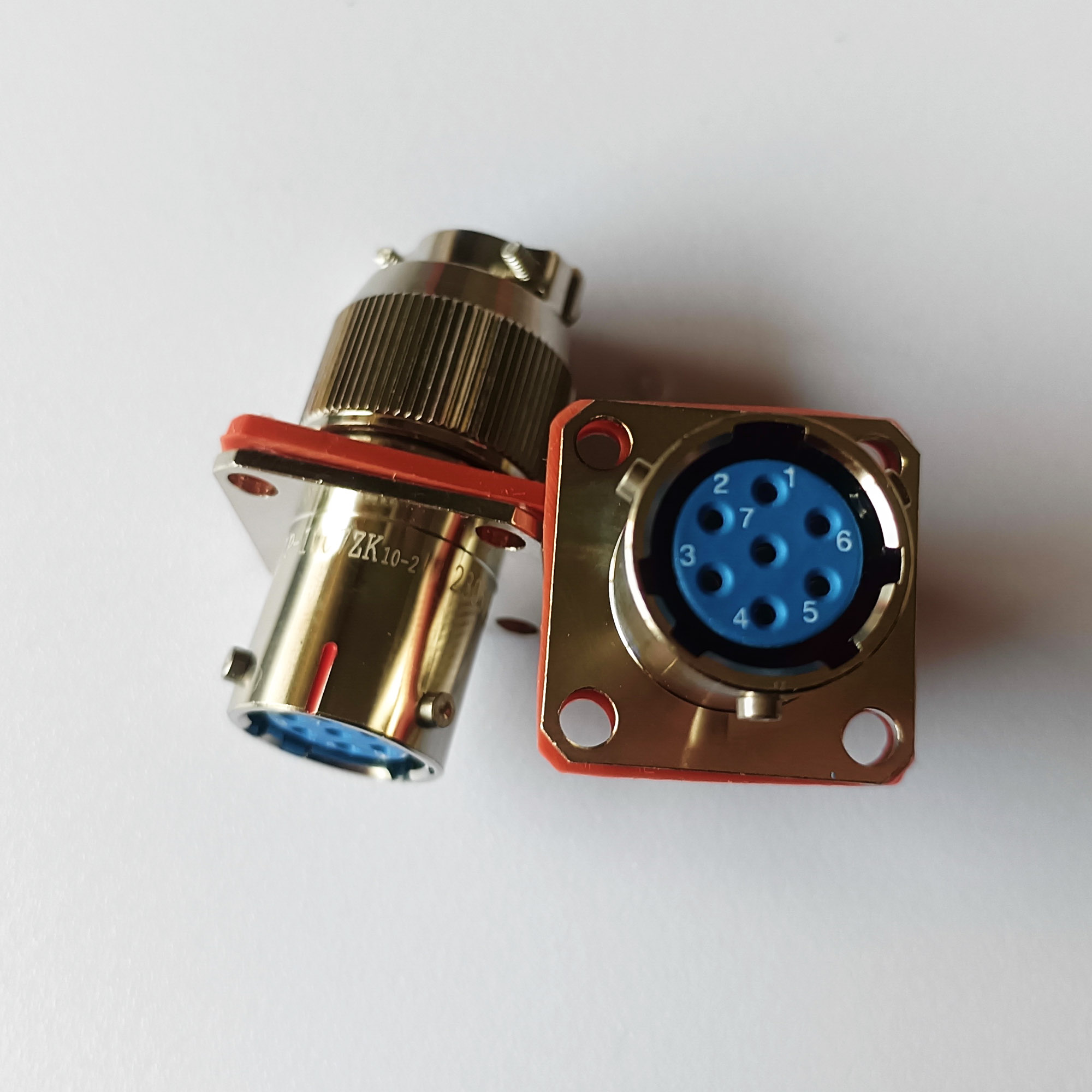
Aviation Connector Y11P-1007ZK10-Z

Core Components of Excellence in Aviation Electronics Service

1. Technical Support Capabilities

Beyond basic troubleshooting to engineering partnership:

  • Application Engineering: Assistance with integrating Aircraft Contactors into specific platforms
  • Failure Analysis: Root cause investigation and preventive recommendations
  • Technical Documentation: Comprehensive manuals, wiring diagrams, and compliance documentation
  • Training Programs: Certification courses for maintenance personnel

2. Supply Chain & Logistics Support

Critical for maintaining operational readiness:

  • Emergency Response: 24/7 support for AOG (Aircraft on Ground) situations
  • Inventory Management: Vendor-managed inventory programs for critical spares like Aviation Fuses
  • Obsolescence Management: Proactive notification and last-time-buy support
  • Customs & Compliance: Assistance with ITAR, EAR, and international shipping requirements

3. Digital Service Transformation

Technology-enabled service delivery:

  • Remote Diagnostics: IoT-enabled troubleshooting for Aviation Sensors
  • Augmented Reality Support: AR-guided maintenance and repair procedures
  • Digital Twins: Virtual models for troubleshooting and training
  • Blockchain Documentation: Immutable records of service history and compliance

Regional Service Considerations

Russian/CIS Market Service Requirements

Successful service in this region addresses five key concerns:

  1. Local Language Support: Russian-speaking technical support and documentation
  2. Regional Logistics: Local warehousing and customs expertise
  3. Certification Assistance: Support with GOST and local military standards
  4. Long-Term Commitment: Demonstrated service continuity over decades
  5. Cultural Understanding: Relationship-based service approach valued in regional business culture
0ba3e6bd3f4eaca7567e0c7985f7db1

Technology Trends Transforming Customer Service

Innovations in Service Delivery

Emerging technologies creating new service paradigms:

  • Predictive Maintenance: AI-driven failure prediction for components like High-Quality Aviation Engine parts
  • Virtual Reality Training: Immersive maintenance training without physical components
  • Chatbot Integration: AI-powered instant response for common inquiries
  • 3D Printing Support: On-demand printing of certified replacement parts

YM's Customer Service Philosophy and Capabilities

Our Service Commitment

At YM, we view customer service as a strategic partnership:

  • Preventive Approach: Identifying potential issues before they affect operations
  • Technical Depth: Engineering-led support rather than scripted responses
  • Global-Local Balance: International standards with local implementation
  • Continuous Improvement: Regular service quality assessment and enhancement

Service-Enabled Manufacturing Infrastructure

Our 85,000-square-meter manufacturing campus supports exceptional service delivery:

  • Dedicated Service Center: Separate facility for returns, repairs, and recalibration
  • Emergency Production Capacity: Rapid manufacturing of urgent replacement components
  • Test Equipment Replication: Ability to provide customers with identical test setups
  • Documentation Center: Centralized management of all technical documentation
JRC-3M 600Ω 27V-1

R&D Integration with Customer Service

Our technical service team includes engineers from our R&D department, ensuring:

  • Direct access to component designers for complex issues
  • Rapid implementation of design improvements based on field feedback
  • Collaborative problem-solving for unique application challenges
  • Early awareness of upcoming product changes and improvements

Service Metrics and Performance Standards

Key Performance Indicators

Measuring service excellence in aviation electronics:

Metric Category Specific Metrics Industry Standards
Responsiveness Initial response time, Technical resolution time <2 hours, <24 hours for critical issues
Technical Quality First-contact resolution rate, Solution accuracy >85%, >95%
Supply Chain AOG response time, Emergency order fulfillment <4 hours, >98%
Customer Satisfaction CSAT scores, Net Promoter Score >90%, >50

Best Practices for Procurement Managers

Evaluating Service Capabilities

When assessing suppliers, consider these service evaluation criteria:

  1. Technical Support Structure: Qualifications and availability of support engineers
  2. Documentation Quality: Completeness and accessibility of technical documents
  3. Emergency Protocols: Clearly defined procedures for urgent situations
  4. Continuous Improvement: Evidence of service process optimization
  5. Customer References: Verified feedback from existing clients
Technical training session for aviation electronics maintenance personnel

Common Service Challenges and Solutions

Industry-Specific Service Issues

  • Complex Troubleshooting: Solution: Multi-level support with escalation to design engineers
  • Regulatory Documentation: Solution: Centralized document management with version control
  • Global Time Zones: Solution: Follow-the-sun support model with regional centers
  • Legacy System Support: Solution: Dedicated teams for older platform components

Frequently Asked Questions

Q1: What differentiates excellent from average aviation electronics service?

A: Excellent service anticipates needs, provides engineering-level technical support, maintains comprehensive documentation, and demonstrates consistent performance over decades. Average service reacts to problems, offers scripted responses, and focuses on transactions rather than partnerships.

Q2: How important is documentation in aviation electronics service?

A: Critically important. Complete, accurate, and accessible documentation—including technical manuals, compliance certificates, test reports, and change histories—is essential for maintenance, repair, overhaul, and regulatory compliance. Poor documentation can ground aircraft as effectively as component failures.

Q3: What should we look for in a supplier's emergency response capabilities?

A: Clear AOG (Aircraft on Ground) protocols, 24/7 contact availability, defined response time commitments, inventory management for critical spares like Aviation Meters for Drones, and proven track record of meeting emergency service commitments.

Q4: How does digital transformation impact aviation electronics service?

A: Digital tools enable predictive maintenance, remote diagnostics, augmented reality support, and instant access to technical resources. However, the human element remains critical for complex problem-solving and relationship management in this high-stakes industry.

Q5: What makes YM's customer service approach distinctive?

A: We integrate service directly with our manufacturing and R&D operations, providing customers with unparalleled technical depth. Our engineers who design components like Military Aviation Contactors are directly accessible for support, and field feedback directly influences our design improvements.

Dashboard showing customer satisfaction metrics and improvement trends

Future of Aviation Electronics Customer Service

Emerging Service Trends

The next generation of aviation electronics service will feature:

  • AI-Powered Predictive Support: Anticipating issues before they occur
  • Integrated Digital Ecosystems: Seamless data flow between OEMs, suppliers, and operators
  • Outcome-Based Service Models: Service agreements tied to performance metrics
  • Enhanced Cybersecurity Services: Protection for connected aviation systems

References and Industry Resources

  • International Air Transport Association (IATA). (2023). Global Aviation Maintenance Cost Executive Commentary. IATA.org.
  • Aviation Week & Space Technology. (2024, March). MRO Survey: Customer Service Expectations and Performance. AviationWeek.com.
  • SAE International. (2024). ARP6900: Guidelines for Aerospace Customer Support Programs. SAE.org.
  • European Union Aviation Safety Agency (EASA). (2023). Continuing Airworthiness Requirements and Guidance Material. EASA.europa.eu.
  • Johnson, M. [@AviationServicePro]. (2024, January 18). The evolving role of customer service in aviation electronics procurement. LinkedIn Article. Retrieved from https://www.linkedin.com/pulse/
  • Defense Logistics Agency. (2023). Performance-Based Logistics Guide for Defense Suppliers. DLA.mil.
  • Wikipedia contributors. (2024, February 15). Customer service in aviation. In Wikipedia, The Free Encyclopedia. Retrieved from https://en.wikipedia.org/wiki/Aviation_maintenance
Contact Us

Author:

Ms. Linda Deng

Phone/WhatsApp:

+86 13759943660

Popular Products
You may also like
Related Categories

Email to this supplier

Subject:
Email:
Message:

Your message must be between 20-8000 characters

Contact Us

Author:

Ms. Linda Deng

Phone/WhatsApp:

+86 13759943660

Popular Products

Contact

Send Inquiry

We will contact you immediately

Fill in more information so that we can get in touch with you faster

Privacy statement: Your privacy is very important to Us. Our company promises not to disclose your personal information to any external company with out your explicit permission.

Send