Aviation Quality Assurance Training: A Procurement Blueprint for Supply Chain Excellence and Risk Mitigation
In aviation and defense procurement, quality assurance (QA) is not a department—it's the foundational principle of every sourcing decision. For procurement managers, deep understanding of Aviation Quality Assurance Training principles is essential to select suppliers whose processes guarantee the reliability of every Military Aviation Contactor, Aircraft Engine sensor, and Aviation Fuse. This guide transforms QA from a compliance checklist into a strategic procurement framework, enabling you to build supply chains that consistently deliver airworthiness, reduce total cost of ownership, and protect your organization from catastrophic quality escapes.
Why QA Competency is a Core Procurement Skill
A single quality escape in the aerospace supply chain can result in fleet grounding, billion-dollar liabilities, and irreparable reputational damage. Procurement managers who can critically evaluate a supplier's QA system maturity—beyond just checking for an AS9100 certificate—become their organization's first and most effective line of defense against these risks. This knowledge allows you to differentiate between suppliers who "do QA" and those who have QA ingrained in their culture.
The Pillars of Aviation QA: From System to Component
1. The Quality Management System (QMS): AS9100 Explained
AS9100 is the minimum entry ticket, but understanding its key clauses is vital for procurement audits.
- Clause 8.1 Operational Planning & Control: How does the supplier plan production to prevent errors? Look for evidence of Advanced Product Quality Planning (APQP) for new components like a complex Aviation Sensor.
- Clause 8.5.1 Production & Service Provision: This mandates controlled conditions. During audits, verify the use of calibrated tools, work instructions, and controlled environments for sensitive assembly.
- Clause 8.7 Control of Nonconforming Outputs: A robust process for quarantining and analyzing defects is a key indicator of a healthy QA culture. Ask for their Material Review Board (MRB) procedures.
2. Incoming, In-Process, and Final Inspection Regimes
Quality is built in and verified at multiple stages.
- Incoming Inspection: Rigorous checks on all raw materials and sub-components. For a High Quality Aviation Engine component, this includes spectrographic analysis of metal alloys.
- In-Process Inspection (IPI): Checks at critical manufacturing steps. For a Military Aviation Relay, this could be contact resistance measurement after assembly.
- Final Inspection & Test: A comprehensive audit of the finished product against all drawing requirements, including functional testing (e.g., a 500-cycle operational test for a contactor).
3. Special Processes & NADCAP Accreditation
Certain processes require specialized accreditation. Procurement must verify:
- NADCAP for Welding, Heat Treating, NDT: Non-Destructive Testing (like X-ray or dye penetrant) for critical welds in an Aircraft Engine mount is non-negotiable.
- ESD & Cleanroom Controls: For avionics and sensitive electronics, including Aviation Meters for Drones, controlled environments are mandatory to prevent electrostatic discharge and contamination.
- Calibration Laboratories (ISO/IEC 17025): All measurement and test equipment must be calibrated traceably to national standards.
Industry Trends: The Evolving Face of Aviation QA
Digital Quality Management & Data Analytics
The shift from paper-based records to Digital Quality Management Systems (QMS) enables real-time SPC (Statistical Process Control) and predictive analytics. Suppliers can now analyze production data to predict and prevent deviations before they cause non-conformances. For procurement, this means asking for access to quality performance dashboards as part of supplier scorecards.
Advanced NDT & In-Line Automated Inspection
Technologies like automated 3D scanning, computed tomography (CT), and AI-powered visual inspection are moving quality verification upstream. This allows for 100% inspection of complex geometries and internal features, ensuring that every Military Aviation Contactor leaving the line is perfect, not just a sampled batch.
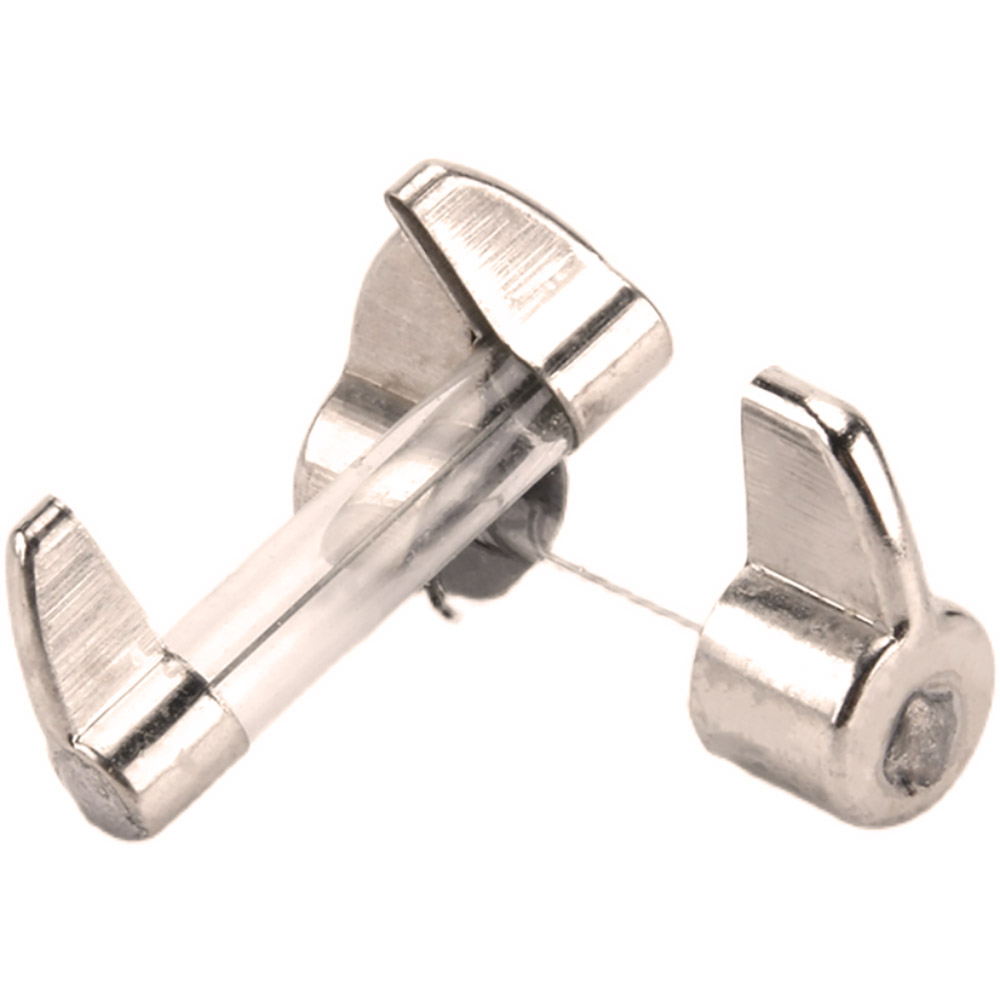
YM's investment in quality is technological and cultural. Our on-site NADCAP-accredited NDT lab and integration of inline laser scanning for dimensional verification are tangible examples. Furthermore, our R&D into embedded quality sensors in our products creates a 'digital twin' of quality data that follows the component throughout its life, providing unparalleled traceability and insight for our customers.
The Russian Market: 5 QA & Certification Priorities for Procurement
Sourcing for Russian aviation requires navigating a distinct QA landscape:
- GOST RV/ГОСТ РВ Certification Mandatory: Products often require specific Russian military quality system certification (GOST RV) in addition to, or sometimes instead of, AS9100. The audit process is deeply involved with Russian oversight bodies.
- On-Site Witnessing by Russian Inspectors (VPCI): It is common for Russian procurement agencies to insist on permanent or periodic on-site presence of their own quality inspectors at the supplier's manufacturing facility.
- Alignment with Russian APs (Aviation Rules): Quality documentation and processes must demonstrate alignment with Russian Aviation Rules (e.g., AP-21, AP-145), which have nuanced differences from EASA/FAA part 21/145.
- Material Certificates with Russian Norm References: All material certifications must reference not only international standards but also equivalent Russian GOST standards for materials (e.g., GOST 5632 for steels).
- Severe Climate QA Testing Validation: Quality plans must include explicit validation that testing protocols (like thermal cycling) cover the extreme cold-soak and rapid temperature change profiles typical of Russian operational environments.
Key Aviation QA Standards & Their Procurement Implications
Procurement must be fluent in this standards ecosystem:
- AS9100 (Rev D): The QMS standard. Look for design and development scope if you require custom OEM/ODM solutions.
- AS9102/AS13000: Standards for First Article Inspection. A properly executed FAIR is your proof that the supplier can produce to print.
- AS9145: APQP & PPAP (Production Part Approval Process) requirements for aerospace. A structured framework for introducing new parts.
- AS6174 & AS5553: Standards for testing and avoiding counterfeit parts. Your absolute defense against fraudulent components.
- MIL-STD-882 & DO-254/178: For safety-critical systems, these standards govern the system safety and hardware/software assurance processes.
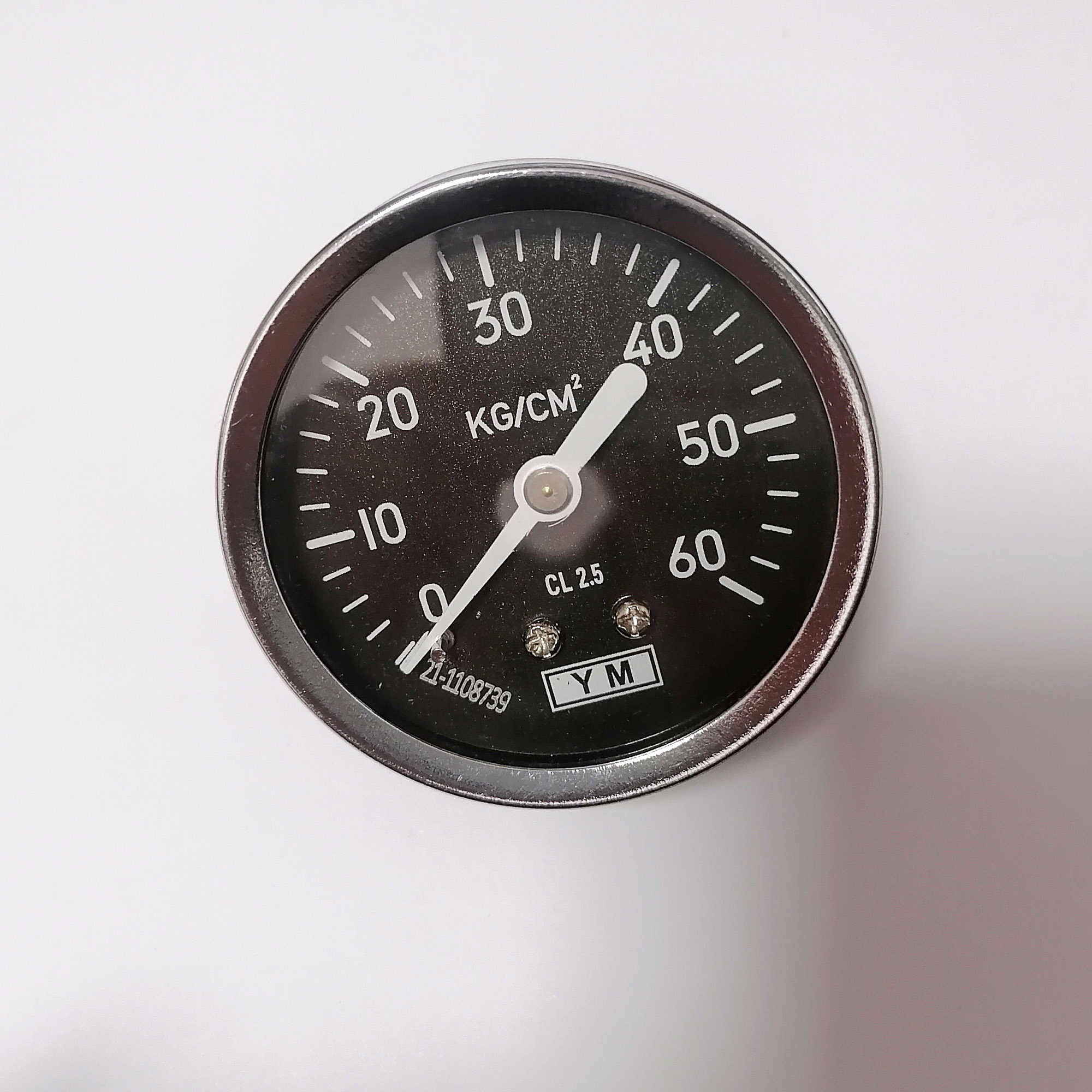
Our 200,000 sq. ft. integrated manufacturing campus is designed around QA. From the moment raw material enters our spectroscopy-validated incoming warehouse to final shipment from our ESD-protected packing lines, every step is governed by closed-loop digital work instructions and recorded in our MES (Manufacturing Execution System), providing full digital traceability for every unit.
Step-by-Step: Conducting a QA-Focused Supplier Assessment
Move beyond the certificate audit with this approach:
- Document Review: Request and analyze their Quality Manual, key procedures (for corrective action, calibration, design control), and recent internal/external audit reports.
- Process Walk-Through (Gemba Walk): On-site, follow the production flow for a key component. Observe housekeeping, visual controls, and operator adherence to work instructions.
- Data Deep Dive: Review real quality metrics: First Pass Yield (FPY), On-Time Delivery (OTD) for quality documentation, Cost of Poor Quality (COPQ), and trend analysis of non-conformances.
- Technical Interview: Speak with their quality engineers about how they would handle a specific failure mode relevant to your component (e.g., "How would you investigate a intermittent failure in a relay coil?").
- Supply Chain QA Audit: Assess how they control and audit their own sub-tier suppliers, especially for special processes.
Frequently Asked Questions (FAQ)
Q1: What is the most important question to ask a potential supplier about their QA system?
A: "Can you show me how you measure and drive continuous improvement in your quality performance, and what your top quality metrics were last quarter?" This moves beyond static compliance to reveal a proactive, data-driven quality culture focused on getting better, not just staying certified.
Q2: For a legacy component no longer in production, how can we assure quality from a new source?
A: This requires a rigorous Source Approval process. It must include: a complete FAIR per AS9102, verification that all special process suppliers are approved, side-by-side testing with a known-good unit, and often a flight test or extended service evaluation before full fleet release. Never assume a "form-fit-function" replacement is identical without this process.
Q3: How does the QA approach differ for a COTS Aviation Meter for Drone versus a mil-spec component?
A: The principles are identical (control of processes, inspection, traceability), but the rigor and documentation differ. A mil-spec component requires strict adherence to a detailed specification (MIL-DTL) with full lot traceability and mandated testing. A COTS component's QA is based on the supplier's internal QMS and the commercial spec sheet, though for aviation use, you should still mandate key inspections and tests relevant to the application.
Q4: What is a "Quality Escape" and what should procurement do when one occurs?
A: A Quality Escape is a non-conforming product that reaches the customer. The immediate procurement action is to activate the supplier's 8D (Eight Disciplines) or similar problem-solving process. Demand an interim containment action (sorting, recall), a root cause analysis, and a permanent corrective action plan. The supplier's response time and effectiveness are critical metrics for future sourcing decisions.
References & Regulatory Framework
- IAQG. (2017). AS9100D: Quality Management Systems - Requirements for Aviation, Space and Defense Organizations. Warrendale, PA: SAE International.
- SAE International. (2020). AS9145: Aerospace Series - Requirements for Advanced Product Quality Planning and Production Part Approval Process. Warrendale, PA: SAE.
- Performance Review Institute. (2023). NADCAP Audit Criteria for Various Special Processes. Warrendale, PA: PRI.
- Federal Aviation Administration. (2011). Advisory Circular AC 00-56B: Voluntary Industry Distributor Accreditation Program. Washington, D.C.: FAA.
- Aviation Week Quality & Compliance Forum. (2024, January 22). "The Role of AI in Next-Generation Quality Assurance." [Online Industry Discussion]. Retrieved from https://www.aviationweek.com.
- Wikipedia contributors. (2024, March 18). "AS9100." In Wikipedia, The Free Encyclopedia. Retrieved from https://en.wikipedia.org/wiki/AS9100.