
Machine Learning in Component Testing: Revolutionizing Quality Assurance for Aerospace and Defense Parts
The rigorous testing of aerospace and defense components is undergoing a profound transformation through Machine Learning (ML). Moving beyond static pass/fail thresholds, ML algorithms analyze vast, multivariate datasets from test cycles to uncover subtle patterns, predict long-term reliability, and optimize the testing process itself. This guide explores how ML is enhancing the validation and qualification of critical components like Military Aviation Relays, Aviation Sensors, and Aircraft Contactors. For procurement managers demanding the highest levels of quality and predictive performance data for Aircraft Engines, UAV systems, and Planes, understanding ML's role in testing is key to making informed sourcing decisions.

Industry Dynamics: From Compliance Testing to Predictive Quality Intelligence
The industry is shifting from viewing testing as a compliance checkpoint to leveraging it as a source of Predictive Quality Intelligence (PQI). By applying ML to historical and real-time test data, manufacturers can move from detecting defects to predicting and preventing them. This is particularly impactful for complex components where failure modes are not always obvious from single-parameter checks. For a High quality Aviation Engine sensor or a power-hungry Aircraft Contactor, ML can correlate subtle variations in electrical signatures during final test with long-term field performance, enabling the identification of "borderline" units that might pass traditional tests but are at higher risk of early failure.
Key ML Applications in the Component Testing Workflow
ML is being integrated across the entire testing continuum:
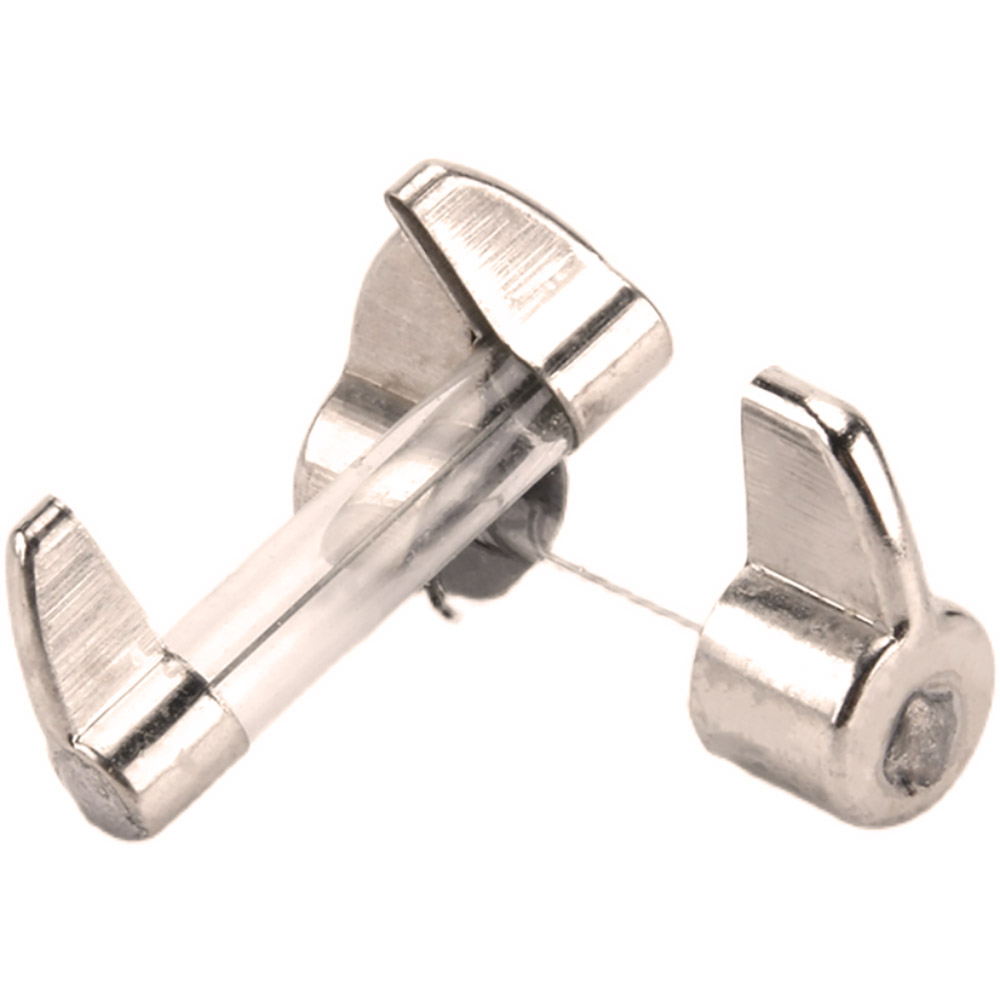
- Automated Visual Inspection (AVI) Enhancement: ML-powered computer vision surpasses traditional rule-based AVI by learning to identify complex, nuanced defects—such as micro-cracks in ceramic Aviation Fuse bodies, inconsistent solder joint quality, or surface imperfections on connectors—with superhuman consistency and speed.
- Anomaly Detection in Test Time-Series Data: During life cycle testing of a Military Aviation Relay, ML models analyze parameters like contact bounce, coil current, and temperature over thousands of cycles. They learn the "normal" signature and can flag subtle deviations indicative of emerging wear mechanisms long before a hard failure occurs.
- Test Optimization and Adaptive Test Sequencing: ML algorithms can analyze which tests are most predictive of final quality for a given batch. They can dynamically adapt test plans, potentially shortening test time by eliminating redundant checks or focusing resources on the most revealing tests for that specific production context.
- Predictive Correlations and Root Cause Analysis: By analyzing data across the manufacturing process (e.g., material lot, machine parameters, environmental conditions), ML can identify complex, non-linear correlations that human analysts would miss. This accelerates root cause analysis when a test failure occurs, linking it back to specific process steps.
Procurement Priorities: 5 Key ML Testing Concerns from Russian & CIS Defense Buyers
When evaluating suppliers' ML-enhanced testing capabilities, procurement teams focus on verifiable outcomes and transparency:
- Algorithm Validation, Explainability, and Regulatory Acceptance Path: Buyers require evidence that ML models have been rigorously validated against known-good and known-bad datasets. They increasingly demand Explainable AI (XAI)—understanding why a component was flagged, not just that it was. A clear argument for how ML findings align with or enhance traditional certification requirements (per DO-254, MIL-STD-810 test plans) is essential.
- Data Provenance, Quality, and Bias Mitigation: The adage "garbage in, garbage out" is paramount. Suppliers must document the provenance and quality of the training data. Buyers scrutinize processes to ensure the ML models are not biased by unrepresentative data (e.g., trained only on summer production batches) that could lead to incorrect rejections or, worse, incorrect acceptances of components for Train or aircraft use.
- Integration with Existing Quality Management Systems (QMS): ML insights must feed directly into the supplier's QMS (e.g., AS9100). How are ML-based alerts converted into Non-Conformance Reports (NCRs) or Corrective and Preventive Actions (CAPA)? The process must be documented and auditable.
- False Positive/False Negative Rates and Economic Impact: Suppliers must provide statistically sound data on the model's performance: its False Positive Rate (unnecessarily scrapping good parts) and False Negative Rate (missing a defective part). The economic and risk trade-offs of these rates must be understood and agreed upon, as they directly impact cost and safety.
- Long-Term Model Performance Monitoring and Update Strategy: ML models can "drift" as manufacturing processes or materials change. Buyers require a supplier's strategy for continuously monitoring model performance and a clear, controlled process for retraining and updating models with new data to ensure sustained accuracy over years of production.
YM's Data-Driven Quality Ecosystem Powered by Machine Learning
We have built a data-centric quality infrastructure across our factory scale and facilities. Every piece of test equipment—from automated test stations for Aviation Sensors to high-current life testers for Military Aviation Contactors—is a data node. This vast, time-synchronized data stream feeds our central Manufacturing Analytics Platform, where proprietary ML models operate. For instance, our models analyze the in-rush current profile of every Aircraft Contactor during final test, comparing it to a golden profile refined from millions of previous tests to predict mechanical wear-in characteristics.

This capability is a direct result of our R&D team and innovation成果 in data science and signal processing. Our team includes specialists who develop unsupervised learning models to discover unknown anomalies and supervised learning models to predict specific failure modes. A key innovation is our application of ML to burn-in and environmental stress screening (ESS) data, where we identify subtle early-failure signatures that allow us to weed out infant mortality units with unprecedented accuracy, enhancing the reliability of every component shipped. Explore our predictive quality technology.
Step-by-Step: Implementing an ML-Enhanced Testing Program
Organizations can adopt ML in testing through a structured, iterative approach:
- Phase 1: Data Foundation and Instrumentation:
- Ensure all test equipment can export high-fidelity, time-series data (not just pass/fail results).
- Centralize and clean historical test data, labeling it with known outcomes (e.g., "failed in field at 500 hrs," "passed 10,000-hr life test").
- Phase 2: Pilot Project on a High-Value Component:
- Select a component with known, complex failure modes (e.g., a specific Aviation Meter for Drone or relay type).
- Develop and train an initial ML model focused on a single, valuable prediction, such as identifying units likely to fall outside calibration spec within one year.
- Phase 3: Validation and Integration into Workflow:
- Run the ML model in "shadow mode" alongside traditional testing for a significant batch.
- Validate its predictions against actual outcomes (e.g., through extended reliability testing).
- Integrate validated model alerts into the quality technician's workflow via the digital quality management system.
- Phase 4: Scaling and Continuous Improvement: Expand ML to other product lines and test types. Use ML insights to drive process improvements (e.g., adjusting a machining parameter flagged as correlated with later test variance). Establish a continuous feedback loop where field reliability data is used to retrain and improve the test models.
Industry Standards and Evolving Best Practices for ML in Testing
Building Trust in Data-Driven Decisions
While formal standards for ML in testing are nascent, frameworks and best practices are emerging:
- ISO/IEC 22989:2022 & ISO/IEC 23053:2022: Framework for Artificial Intelligence (AI) concepts and terminology, providing a foundational lexicon.
- AS9100:2016 (Quality Management) & AS9102 (First Article Inspection): The principles of objective evidence, process control, and continuous improvement within these standards provide the quality system foundation into which ML must integrate.
- MIL-STD-882E (System Safety): The use of ML in testing must support the overall safety assessment process, requiring transparency in how ML findings relate to hazard analysis.
- NIST AI Risk Management Framework (AI RMF): Provides voluntary guidelines for managing risks associated with AI, including aspects of validity, reliability, safety, and fairness—directly applicable to test algorithms.
- Internal Model Governance: Leading suppliers implement rigorous internal ML model governance policies covering development, validation, deployment, and monitoring, often exceeding emerging external guidelines.
Industry Trend Analysis: Digital Twins for Test Simulation, Federated Learning, and Self-Healing Test Systems
The convergence of ML with other technologies is defining the future of testing: Digital Twins of components will be used to simulate billions of virtual test cycles under varying conditions, with ML used to analyze these simulations and design optimal, minimal real-world test campaigns. Federated Learning will allow multiple suppliers or departments to collaboratively improve ML test models without sharing proprietary raw data, enhancing industry-wide quality benchmarks. Ultimately, we will see the rise of self-healing and self-optimizing test systems, where ML not only analyzes test results but also adjusts test equipment parameters in real-time to obtain the most informative data or compensate for sensor drift.
Frequently Asked Questions (FAQ) for Quality and Procurement Managers
Q1: Can ML replace human quality engineers or traditional qualification standards like DO-160?
A: No, ML augments; it does not replace. Human expertise is irreplaceable for setting strategy, interpreting complex root causes, and making final judgments. Standards like DO-160 define the what (test conditions, pass/fail criteria). ML enhances the how—making test execution more efficient and insightful, and providing deeper predictive analysis of the results. It is a powerful tool within the established quality and certification framework.
Q2: How do we handle the "black box" problem—not understanding why an ML model rejected a part?
A: We prioritize Explainable AI (XAI) techniques. When our system flags a component, it provides supporting evidence: e.g., "Unit #12345's coil resistance decay curve during thermal cycling exhibited a 15% faster decay rate than the baseline model, correlating with a known early-wear mode." This actionable insight allows our engineers to investigate, not just reject blindly. Transparency is a core tenet of our ML development philosophy.
Q3: What is the ROI for investing in ML for component testing?
A: ROI manifests in several ways: Reduced escape rate (fewer defective parts reaching the customer), lower internal scrap and rework costs (catching issues earlier), optimized test time and resource usage, and enhanced brand reputation for quality. Most importantly, it provides predictive confidence to our customers, reducing their risk and total cost of ownership, which is a powerful competitive advantage.
Q4: Do you provide ML-derived reliability data with your components?
A: Yes, for an increasing number of product lines. Beyond standard MTBF calculations, we can offer data-driven reliability forecasts based on the specific test signatures of the batch you receive. This might include a predicted failure distribution or identification of units within a batch that have exceptional predicted longevity. This advanced analytics service provides a deeper layer of insight for your critical system integration and maintenance planning.


