
MIL-SPEC Documentation Requirements: The Essential Paper Trail for Military and Aerospace Component Procurement
In military and aerospace procurement, the product is only half of the deliverable. The accompanying documentation—often more voluminous than the component itself—forms the legal, technical, and traceability foundation for system integration, maintenance, and lifetime support. This guide demystifies MIL-SPEC documentation requirements, explaining how proper documentation for components like Military Aviation Relays, Aviation Sensors, and Aircraft Contactors ensures compliance, facilitates audits, and guarantees the long-term supportability of critical systems in Aircraft Engines, UAVs, and legacy Planes. For procurement managers, mastering these requirements is crucial for managing risk and ensuring supply chain integrity.

Industry Dynamics: Digital Transformation and the Evolution of Documentation
The industry is undergoing a significant shift from physical paper-based data packs to digital data deliverables and Interactive Electronic Technical Manuals (IETMs). Initiatives like the U.S. DoD's CMPro (Contractor Management Portal) and the push for Model-Based Systems Engineering (MBSE) are changing how documentation is created, submitted, and maintained. However, the core requirements for content, accuracy, and traceability remain unchanged. This digital transition is particularly relevant for complex components like smart Aviation Meters for Drones, where software documentation (per DO-178C) and configuration data are integral parts of the deliverable package.
New Challenges: Cybersecurity for Technical Data and Supply Chain Transparency
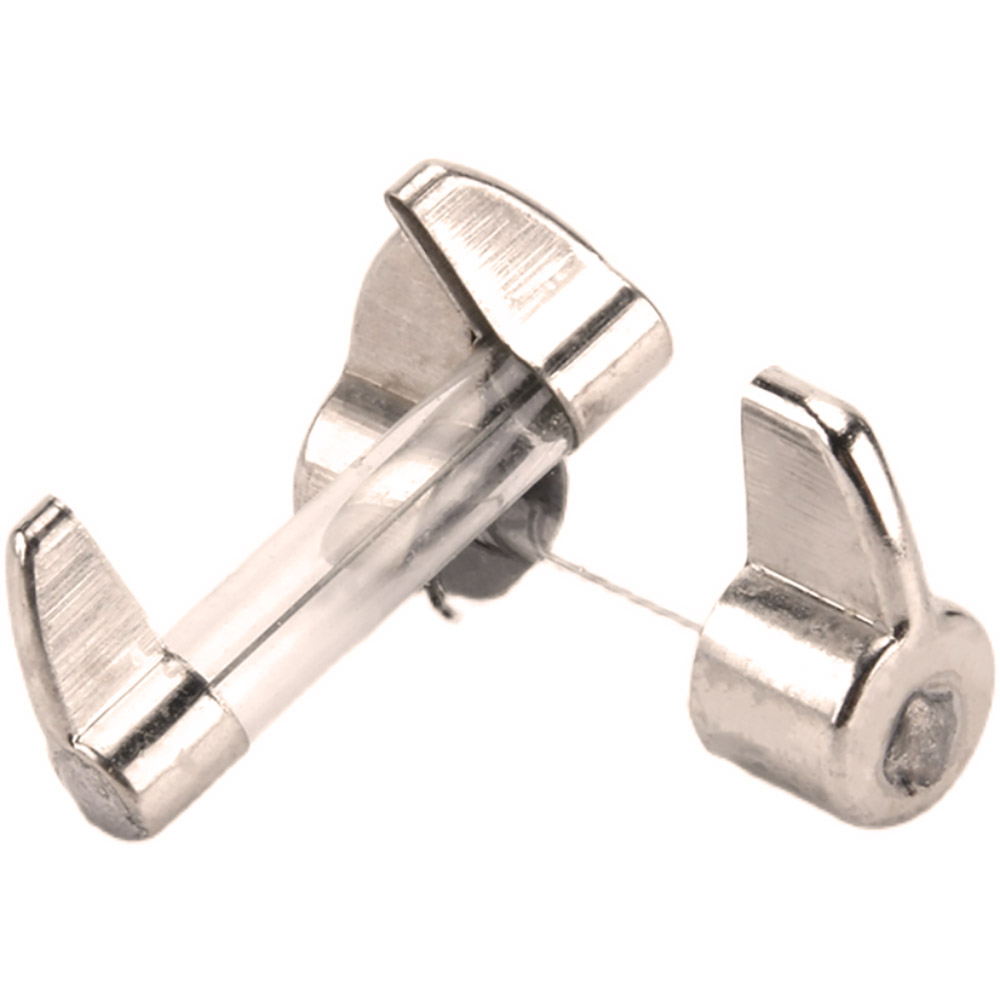
As documentation becomes digital, cybersecurity for technical data becomes paramount. Export-controlled drawings and sensitive test reports must be transmitted and stored with appropriate encryption and access controls. Simultaneously, there is increasing demand for blockchain-enabled traceability and digital threads that link a component's documentation (e.g., for a specific High quality Aviation Engine sensor) directly to its raw material source and every step in its manufacturing process, providing an immutable record for quality audits and counterfeit prevention.
Procurement Priorities: 5 Key Documentation Concerns from Russian & CIS Defense Buyers
For procurement entities in Russia and the CIS, documentation is scrutinized as rigorously as the hardware. Their primary concerns include:
- Complete Data Package (CDP) Compliance with Contractual DID References: Suppliers must deliver a CDP that exactly matches the Data Item Descriptions (DIDs) listed in the contract (e.g., DI-ALC-80124 for a Parts List). Each document must follow the specified format, content, and revision status. Incomplete or non-compliant data packs can halt payment and acceptance of the hardware.
- Authenticity, Traceability, and Anti-Tampering Measures: All certificates (Material, Test, Conformance) must be original or digitally signed with a verifiable chain of custody. Marks of conformance, serial numbers on components like Military Aviation Contactors, and associated documentation must be unforgeable and fully aligned to prevent counterfeit parts introduction.
- While English is often accepted, critical safety documentation or manuals for
- and aircraft MRO may require official Russian translation. All dimensions and test values must be in the specified unit system (SI vs. Imperial), and documentation should reference or acknowledge any applicable local GOST standards or regulations.
- Lifecycle Data Rights and Technical Data Package (TDP) Licensing: Clear, contractually defined rights regarding who owns the technical data (design drawings, processes) and who has the right to use it for maintenance, repair, or future competitive procurement. This is a critical negotiation point for custom OEM/ODM components.
- Long-Term Archival and Retrieval Guarantees: Suppliers must have a formal policy and proven system for archiving all documentation related to a component for decades—often matching the 30+ year platform lifecycle. The ability to promptly retrieve and reproduce historical data for accident investigation or obsolescence management is a key differentiator.
YM's Documentation Management System and Infrastructure
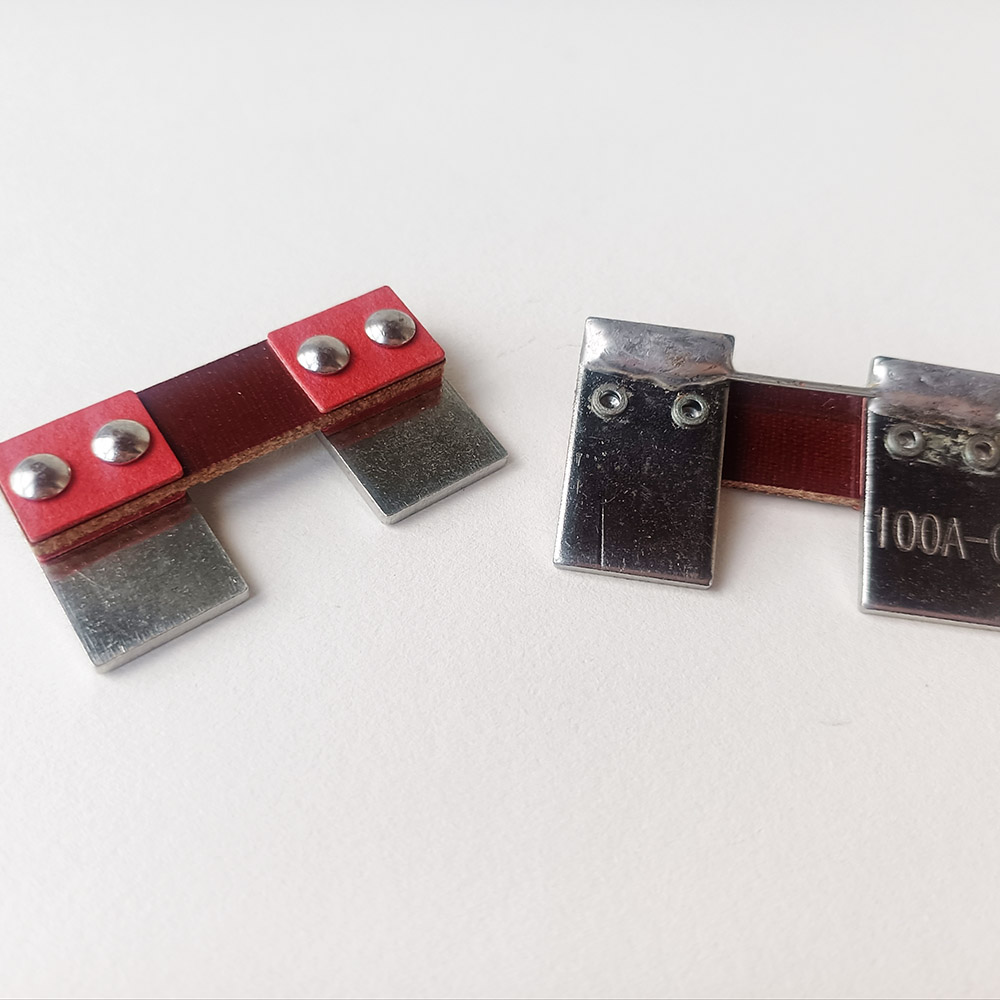
We treat documentation as a core product deliverable. Our factory scale and facilities include a secure, climate-controlled Document Control and Archives Center managed by a dedicated team. This center oversees the generation, review, approval, distribution, and archival of all MIL-SPEC documentation. We utilize a modern Document Management System (DMS) that enforces revision control, ensures only approved documents are released, and provides full audit trails for every change made to a drawing or test procedure for a Aviation Fuse or relay family.
This rigorous process is supported by our R&D team and innovation成果 in technical communication. We invest in creating clear, comprehensive, and standardized documentation templates. Our engineers are trained to create manufacturing drawings that adhere to ASME Y14.5 GD&T standards and test reports that present data clearly. We have also developed integrated systems that automatically generate traceability documents from our Manufacturing Execution System (MES), ensuring 100% accuracy between the physical part and its paper trail.
Step-by-Step: Anatomy of a MIL-SPEC Component Data Package
A typical comprehensive data package for a qualified component includes these essential elements, often delivered in a defined sequence:
- Qualification Documentation:
- Qualification Test Report (QTR): The comprehensive report proving the component design meets all requirements of its governing performance specification (e.g., MIL-PRF-6106 for a relay).
- Source Control Drawing (SCD) or Qualified Products List (QPL) Listing.
- Production and Acceptance Documentation:
- Certificate of Conformance (C of C): Certifies that the delivered lot conforms to the design and was manufactured under the approved quality system.
- Test Data Reports (TDRs): Detailed results of acceptance tests performed on the specific delivered batch (e.g., lot acceptance testing per MIL-STD-202).
- Material Certification Reports: Certificates from raw material suppliers verifying chemistry and physical properties.
- Product Definition and Support Documentation:
- Detailed Performance Specification or Drawing.
- Parts List / Bill of Materials (BOM).
- Installation Instructions, Operation, and Maintenance Manuals.
- Process Specification documents for special processes (e.g., welding, plating).
- Continuous Documentation:
- Engineering Change Notices (ECNs) and updated documentation for any product changes.
- Failure Analysis Reports for any field returns, if applicable.
Industry Standards: The Framework Governing Documentation
Key Standards Defining Documentation Content and Format
Documentation must comply with specific content and format standards:
- MIL-STD-961 / MIL-DTL-31000: The standards governing the preparation of defense specifications and associated documents. Defines the structure for Performance Specifications (PRF) and Detail Specifications (DTL).
- ASME Y14.5: Dimensioning and Tolerancing. The universal standard for engineering drawings. Compliance is non-negotiable for part drawings.
- MIL-HDBK-87244: Electronica/General Material Management Data. Provides data requirements for automated logistics systems.
- ATA iSpec 2200 / S1000D: International specifications for technical publications, used for creating IETMs and technical manuals for commercial and military aviation.
- ISO 9001 / AS9100: The quality management system standards that mandate controlled document creation, review, approval, and change management processes. Our AS9100-certified system is the backbone of our documentation control.
Industry Trend Analysis: Digital Thread, CFIUS, and the Battle for Technical Data Rights
The future of MIL-SPEC documentation is defined by three macro-trends: The implementation of the Digital Thread creates a seamless, authoritative flow of connected data from design through disposal, making documentation a living, linked dataset rather than static files. Geopolitical factors, influenced by bodies like the U.S. CFIUS, are making technical data rights and ownership a strategic national security issue, complicating international collaboration. Finally, the use of AI and machine learning to analyze vast sets of historical test and failure data within documentation is emerging as a tool for predictive maintenance and design improvement, adding new value to well-curated data archives.

Frequently Asked Questions (FAQ) for Procurement and Quality Assurance
Q1: What is the single most common deficiency found in MIL-SPEC data packages from suppliers?
A: Incomplete or non-compliant test reports. This includes missing calibration dates on test equipment, unexplained deviations from the specified test method, failure to test all required parameters, or data presented in a format that does not match the required DID. We mitigate this through automated report generation from calibrated test equipment and a multi-stage quality assurance review of all documentation before release.
Q2: How do you handle documentation for components that include software or firmware?
A: Software is treated as a distinct configuration item. The data package will include a Software Version Description Document (SVDD), Requirements Specifications, Design Documents, and Test Reports aligned with objectives from DO-178C. For a smart Aviation Sensor, the hardware and software data packs are integrated but separately controlled.
Q3: What is your process if a documentation error is discovered after shipment?
A: We initiate a formal Documentation Correction Notice (DCN) process. All affected customers are notified immediately via our controlled distribution channels. Corrected documents are issued with clear revision markings and a description of the change. The erroneous documents are recalled from active circulation in our DMS, and the physical archives are annotated.
Q4: Can you provide documentation in formats compatible with our ILS (Integrated Logistics Support) or ERP system?
A: Yes. We routinely deliver data in structured formats such as XML (per S1000D or ATA iSpec 2200), PDF-A for archival, or tailored spreadsheet formats for easy import into customer systems. Early engagement with our program management team ensures the data deliverables are aligned with your digital ecosystem.
References & Technical Sources
- U.S. Department of Defense. (2022). Defense Standardization Program (DSP) Policies and Procedures. Retrieved from DSP website.
- SAE International. (2019). GEIA-STD-0007, Logistics Product Data. (Standard for logistics data exchange).
- Defense Acquisition University. (2021). Guide to Data Management. DAU Press.
- "The Digital Thread in Defense Manufacturing." (2023). Manufacturing Engineering Magazine, Society of Manufacturing Engineers.
- Wikipedia contributors. (2024, February 10). "Technical data package." In Wikipedia, The Free Encyclopedia. Retrieved from: https://en.wikipedia.org/wiki/Technical_data_package
- Government Contracts Forum (WIFCON). (2023). Discussion Thread: "Enforcing DID Compliance in Subcontractor Data Deliverables." [Online Professional Forum].


