XI'AN YUMU ELECTRONICS TECHNOLOGY CO.,LTD
Home> NEWS> Military Component Lead Time Management

Military Component Lead Time Management

2025,12,11

Military Component Lead Time Management: Strategic Approaches for B2B Procurement Success

In military and aerospace procurement, lead time management is not merely a logistical concern—it's a strategic imperative that impacts operational readiness, project timelines, and total program costs. For procurement managers sourcing critical components like Military Aviation Relays, Aircraft Contactors, and Aviation Sensors, effective lead time management can mean the difference between mission success and costly delays. This comprehensive guide explores proven strategies for managing and optimizing lead times in military component procurement.

default name

Understanding Military Component Lead Time Components

Military Component Lead Time Management involves managing multiple interconnected time elements:

Standard Lead Time Components

  • Material Procurement Time: Sourcing raw materials and specialized components
  • Manufacturing Processing Time: Production, assembly, and testing cycles
  • Quality Assurance Time: Inspection, testing, and certification processes
  • Administrative Processing: Documentation, compliance verification, and approvals
  • Logistics and Shipping: Transportation, customs clearance, and delivery

Military-Specific Time Adders

  • Government Approval Cycles: Military contract reviews and approvals
  • Security Clearance Processing: For classified or sensitive components
  • Testing and Validation: Extended environmental testing and certification requirements
  • Traceability Documentation: Complete material and process history documentation

Typical Lead Times for Military Components

Standard Component Lead Times

Component Type Standard Lead Time Expedited Options
Military Aviation Contactor 16-24 weeks 10-12 weeks (premium)
Military Aviation Relay 12-20 weeks 8-10 weeks
Aviation Fuse 8-16 weeks 6-8 weeks
Aircraft Engine Sensors 20-32 weeks 14-18 weeks

5-Step Strategic Lead Time Management Process

  1. Lead Time Analysis and Benchmarking: Establish baseline lead times for each component category
  2. Risk Assessment and Buffer Planning: Identify lead time risks and establish appropriate buffers
  3. Supplier Collaboration and Planning: Work with suppliers on capacity planning and forecasting
  4. Process Optimization: Streamline internal and external processes to reduce non-value-added time
  5. Continuous Monitoring and Improvement: Implement tracking systems and improvement initiatives
default name

Critical Factors Affecting Military Component Lead Times

Supply Chain Complexity Factors

  • Material Availability: Specialized materials with limited sources
  • Component Complexity: Custom-designed parts requiring specialized manufacturing
  • Testing Requirements: Mandatory military testing and certification cycles
  • Geopolitical Factors: Trade restrictions and export control compliance

Manufacturing and Quality Factors

  • Production Capacity: Manufacturer's ability to scale production
  • Quality Control Processes: Time required for military-grade quality assurance
  • Documentation Requirements: Extensive military documentation and traceability
  • Certification Processes: Military qualification and approval cycles

Top 5 Concerns for Russian Procurement Managers

Russian military procurement specialists face unique lead time challenges:

  1. Sanctions-Related Delays: Extended verification and documentation for components like Aviation Meter for Drone systems to ensure compliance with international sanctions regimes
  2. Customs and Border Processing: Additional time for customs clearance and regulatory approvals at Russian borders
  3. Local Certification Requirements: Mandatory GOST certification and testing extending overall lead times
  4. Currency and Payment Processing: Complex payment mechanisms affecting order processing times
  5. Winter Logistics Challenges: Seasonal transportation delays in extreme cold regions affecting delivery schedules

YM's Lead Time Optimization Strategies

Advanced Manufacturing Infrastructure

Our 85,000 square meter manufacturing campus enables reduced lead times through:

  • Dedicated military production lines with reserved capacity
  • In-house material processing reducing external dependencies
  • Parallel processing capabilities for concurrent manufacturing stages
  • Automated inventory management systems with real-time tracking
  • On-site testing laboratories eliminating external testing delays
default name

Strategic Inventory Management

Our approach to inventory optimization includes:

  • Safety stock of critical materials for high-demand components
  • Finished goods inventory for standard Military Aviation Relay configurations
  • Vendor-managed inventory programs for strategic partners
  • Consignment stock arrangements for high-volume customers

Industry Trends Impacting Lead Time Management

Digital Transformation in Supply Chain Management

Emerging technologies are revolutionizing lead time management:

  • Predictive Analytics: AI-driven lead time forecasting and risk prediction
  • Digital Twins: Virtual supply chain modeling for optimization
  • Blockchain Technology: Enhanced traceability and documentation efficiency
  • IoT Integration: Real-time tracking of components through the supply chain

Additive Manufacturing Adoption

3D printing technologies are reducing lead times for:

  • Rapid prototyping of custom components
  • Low-volume production of specialized parts
  • Tooling and fixture manufacturing
  • Spare parts production on demand
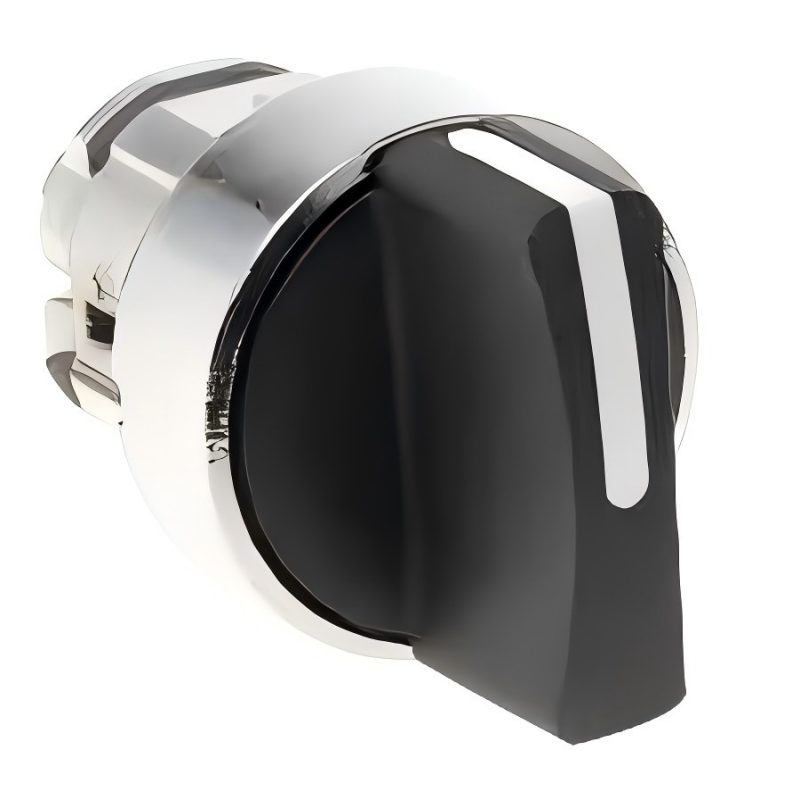
ZB4-BD33 Switch

7 Proven Lead Time Reduction Strategies

  1. Early Supplier Involvement: Engage suppliers during design phase
  2. Standardization Programs: Reduce custom requirements where possible
  3. Forecast Sharing: Provide suppliers with accurate demand forecasts
  4. Process Parallelization: Overlap rather than sequence processes
  5. Buffer Stock Strategies: Strategic inventory at critical supply chain points
  6. Transportation Optimization: Optimized logistics and shipping methods
  7. Digital Process Automation: Automate administrative and documentation processes

Risk Management in Lead Time Planning

Common Lead Time Risks and Mitigation Strategies

Risk Category Impact on Lead Time Mitigation Strategy
Supply Chain Disruption +50-100% lead time increase Dual sourcing, safety stock, alternative logistics
Quality Rejections +20-40% lead time increase Enhanced quality planning, supplier development
Regulatory Delays +30-60% lead time increase Early compliance planning, expert support
Capacity Constraints +25-50% lead time increase Capacity reservations, flexible scheduling

Best Practices for Lead Time Communication and Management

  • Transparent Communication: Regular updates on order status and potential delays
  • Real-time Tracking Systems: Provide customers with order tracking capabilities
  • Proactive Delay Notification: Early warning of potential schedule impacts
  • Collaborative Problem Solving: Work together to resolve lead time challenges
  • Performance Metrics Tracking: Monitor and report on lead time performance
Emergency Stop Switch ZB2-BC42 SPST

Frequently Asked Questions (FAQ)

Q1: What is a realistic lead time buffer for military components?

A: Standard practice suggests a 20-30% buffer for standard components and 40-50% for complex or custom items like High Quality Aviation Engine control systems. The exact buffer should be based on historical performance data and specific risk assessments.

Q2: How can I reduce lead times without compromising quality?

A: Focus on process optimization rather than quality shortcutting. Strategies include: parallel processing of testing and documentation, strategic inventory of long-lead materials, supplier development programs, and digital process automation for administrative tasks.

Q3: What role does supplier relationship management play in lead time reduction?

A: Strong supplier relationships enable better communication, priority treatment, collaborative problem-solving, and access to capacity reservations. Strategic partners are more likely to invest in process improvements that benefit both parties.

Q4: How do procurement strategies impact lead time management?

A: Procurement strategies directly influence lead times through supplier selection, contract terms, ordering policies, and relationship management. Strategic partnerships typically yield better lead time performance than transactional relationships.

References and Industry Resources

  • Department of Defense. (2022). Defense Acquisition Guidebook: Lead Time Management Strategies. Washington, DC: US DoD.
  • Council of Supply Chain Management Professionals. (2023). Military Supply Chain Management: Best Practices and Case Studies. Chicago: CSCMP.
  • Institute for Supply Management. (2023). Lead Time Management in Defense Procurement: Research Report. Tempe, AZ: ISM.
  • NATO Support and Procurement Agency. (2022). Lead Time Optimization in NATO Procurement Operations. Luxembourg: NSPA.
  • Defense Logistics Agency. (2023). Military Supply Chain Performance Metrics and Benchmarks. Battle Creek, MI: DLA.
  • Journal of Defense Analytics and Logistics. (2023). "Lead Time Variability in Military Supply Chains: Analysis and Mitigation Strategies." Volume 8, Issue 1.
  • Wikipedia contributors. (2023). "Lead time." Wikipedia, The Free Encyclopedia.
  • Defense News. (2023, November 15). "Global Military Supply Chain Lead Time Challenges and Solutions." Defense News Special Report.
  • Supply Chain Director [MilSupplyExpert]. (2023, September 28). "Managing lead times for specialized military components." Reddit, r/SupplyChain.
  • International Conference on Defense Logistics. (2022). "Digital Technologies for Military Lead Time Reduction." ICDL 2022, Brussels.
  • Aerospace Industries Association. (2023). Aerospace Supply Chain Lead Time Benchmarking Study. Arlington, VA: AIA.

Conclusion: Strategic Lead Time Management as a Competitive Advantage

Effective Military Component Lead Time Management requires a comprehensive approach that balances strategic planning, supplier collaboration, process optimization, and risk management. By implementing systematic lead time management strategies, procurement professionals can ensure reliable delivery of critical components for Train, Plane, and specialized military applications. In today's complex global supply chain environment, superior lead time management capabilities provide significant competitive advantages in terms of operational readiness, program execution, and total cost management.

KN1A-202DM
Contact Us

Author:

Ms. Linda Deng

Phone/WhatsApp:

+86 13759943660

Popular Products
You may also like
Related Categories

Email to this supplier

Subject:
Email:
Message:

Your message must be between 20-8000 characters

Contact Us

Author:

Ms. Linda Deng

Phone/WhatsApp:

+86 13759943660

Popular Products

Contact

Send Inquiry

We will contact you immediately

Fill in more information so that we can get in touch with you faster

Privacy statement: Your privacy is very important to Us. Our company promises not to disclose your personal information to any external company with out your explicit permission.

Send