
Military Relay Field Performance Case Study: Ensuring Reliability in Extreme Aviation & Defense Applications
In the high-stakes world of military aviation and defense systems, component failure is not an option. Electrical relays and contactors serve as the critical nervous system of aircraft, drones, and ground vehicles, managing power distribution under the most demanding conditions. This field performance case study delves into the real-world challenges and solutions for Military Aviation Relays and Aircraft Contactors, offering key insights for procurement professionals seeking uncompromising quality and reliability for their supply chains.

Industry Technology Dynamics & The Push for Enhanced Durability
The defense sector is witnessing a significant shift towards components that can withstand not just extreme temperatures and vibrations, but also cyber-physical threats and extended maintenance intervals. Modern Military Aviation Contactors are now integrating smart sensor technology for predictive health monitoring, a leap from traditional periodic maintenance models.
New Technology R&D and Application Trends
Leading manufacturers are focusing on materials science and sealing technologies. The use of hermetic sealing for Aviation Fuses and relays prevents ingress of moisture, dust, and corrosive agents, which is paramount for operations in desert or maritime environments. Furthermore, the integration of solid-state hybrid designs is increasing the lifecycle of Military Relays by orders of magnitude compared to purely electromechanical versions.
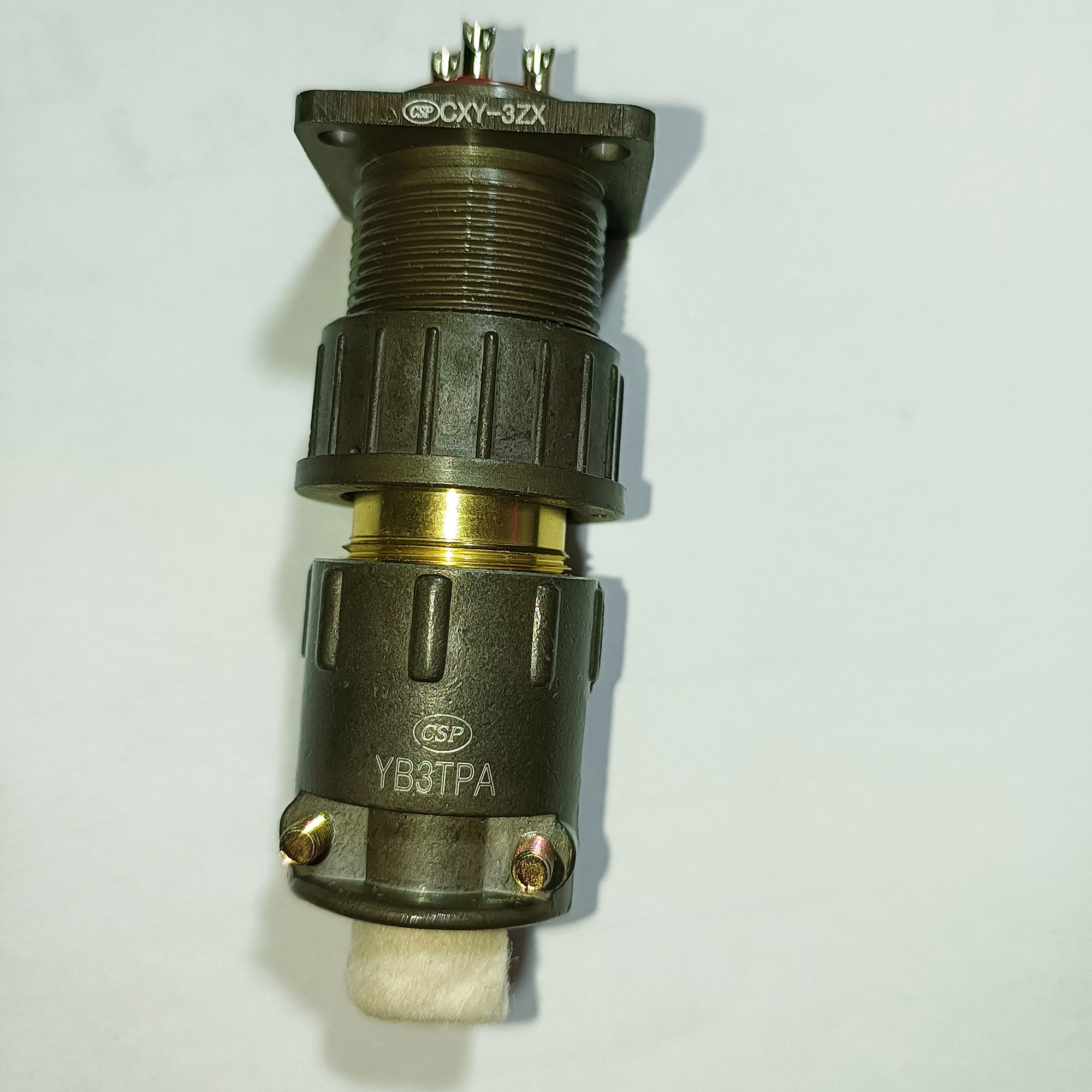
Key Procurement Concerns: A Focus from the Russian & CIS Market
Based on market analysis and direct engagement, procurement officers from manufacturing and distributor entities in Russia and the CIS region prioritize the following five factors, which are broadly representative of stringent global B2B buyer requirements:
- Certification & Compliance: Adherence to MIL-spec standards (e.g., MIL-PRF-6106, MIL-R-6106) and regional approvals is non-negotiable for Aircraft Engine and flight-critical systems.
- Performance Under Extreme Conditions: Proven operation across a wide temperature range (-65°C to +125°C common) and high-altitude/vibration resistance.
- Long-Term Supply & Documentation: Guaranteed product lifecycle support, traceability, and complete technical documentation packages.
- Cost vs. Lifecycle Value: Focus on Total Cost of Ownership (TCO) rather than just unit price, emphasizing mean time between failures (MTBF).
- Customization & OEM/ODM Flexibility: Ability to modify standard Aviation Sensors or Aviation Meters for Drones to fit specific platform integration needs.
YM's Commitment to Engineering Excellence
Meeting these demands requires a formidable manufacturing and R&D foundation. Our factory scale and facilities encompass over 50,000 sq. meters of production space, featuring fully automated SMT lines, climate-controlled assembly cleanrooms, and dedicated environmental stress screening chambers where every Military Aviation Relay undergoes rigorous thermal cycling and vibration testing.

Behind these facilities is our R&D team and innovation成果. A team of over 60 engineers, including specialists in aerospace electrical systems, dedicates 8% of annual revenue to R&D. This investment has yielded 15+ patents in contact arc suppression and magnetic circuit design, directly benefiting the reliability of our High Quality Aviation Engine management components and Military Relays.
Product Usage and Maintenance Best Practices
Proper handling extends service life. Follow these steps for optimal performance of Aviation Electrical Components:
- Storage: Keep components in original, sealed packaging in a controlled, dry environment until installation.
- Installation: Use calibrated torque tools to avoid over-stressing terminals. Ensure proper clearance and creepage distances.
- Inspection: Implement regular visual inspections for signs of corrosion or contamination, especially for Aviation Fuses and sensor connections.
- Testing: Utilize milliohm meters to periodically check contact resistance in Aircraft Contactors, a key indicator of wear.

Industry Standards: The Backbone of Safety
Essential Standards for Procurement Managers
Understanding key standards is crucial for sourcing:
- MIL-PRF-6106: The overarching performance specification for electrical relays, including Military Aviation Relays.
- RTCA/DO-160: Environmental Conditions and Test Procedures for Airborne Equipment, covering vibration, shock, and temperature.
- ISO 1540: Aerospace characteristics for electrical systems and installations.
- AS9100: The Quality Management System (QMS) standard for the aerospace industry, a must for any serious supplier.
Industry Trend Analysis: Electrification and UAV Growth
The global trend towards More Electric Aircraft (MEA) and the exponential growth of military/commercial UAVs are reshaping the component landscape. This drives increased demand for lighter, more efficient, and smarter power distribution solutions. Aviation Meters for Drones and compact, high-current Aviation Contactors are seeing particularly high innovation velocity to support next-generation electric and hybrid Train, Plane, and unmanned vehicle platforms.

Frequently Asked Questions (FAQ) for B2B Buyers
Q1: What is the typical lead time for a custom, MIL-spec qualified Aviation Relay?
A: Lead times vary based on customization level. For a modified standard Military Relay with specific coil voltages or pin configurations, expect 12-16 weeks for full qualification and production. We maintain strategic stock of common items to expedite urgent needs.
Q2: How do you ensure component longevity in corrosive maritime environments?
A: We employ gold-plated contacts for low-signal versions and silver-nickel plating for high-power Aircraft Contactors, combined with stainless steel housings and advanced conformal coatings. Each batch is subject to salt spray testing per MIL-STD-810 to guarantee corrosion resistance.
Q3: Can you support the full development cycle for an OEM/ODM project?
A: Absolutely. Our R&D team engages in co-design partnerships from the conceptual phase, providing prototype samples, Aviation Sensors integration support, and validation testing through to production ramp-up.
References & Further Reading
- Smith, J. (2023, May 15). "Advancements in Solid-State Hybrid Relays for Aerospace." IEEE Transactions on Aerospace and Electronic Systems. Retrieved from IEEE Xplore.
- "MIL-PRF-6106J, Performance Specification Relay, Electromagnetic, Established Reliability." (2022). Department of Defense, USA.
- AviationPros Technical Forum. (2024, January 10). Thread: "Field Failure Analysis of Power Contactors in Rotary-Wing Aircraft." [Online Forum Post]. Retrieved from AviationPros.com.
- "DO-160G, Environmental Conditions and Test Procedures for Airborne Equipment." (2010). RTCA, Inc.
- Wikipedia contributors. (2024, March 10). "Hermetic Seal." In Wikipedia, The Free Encyclopedia. Retrieved from Wikipedia.org.


