
QDF-1 Magnetic Valve Applications: A Comprehensive Guide for Aerospace B2B Procurement
In the precision-driven world of aerospace systems, the selection of actuation components can define system performance and reliability. The QDF-1 Magnetic Valve represents a critical electromechanical interface, enabling remote, fast, and reliable fluid control across diverse applications. This guide explores the extensive applications of the QDF-1, analyzes key procurement considerations for global buyers—with a special focus on the Russian market—and examines the technological trends shaping the future of Aviation Valves & regulator systems.

Understanding the QDF-1: Core Technology and Principle
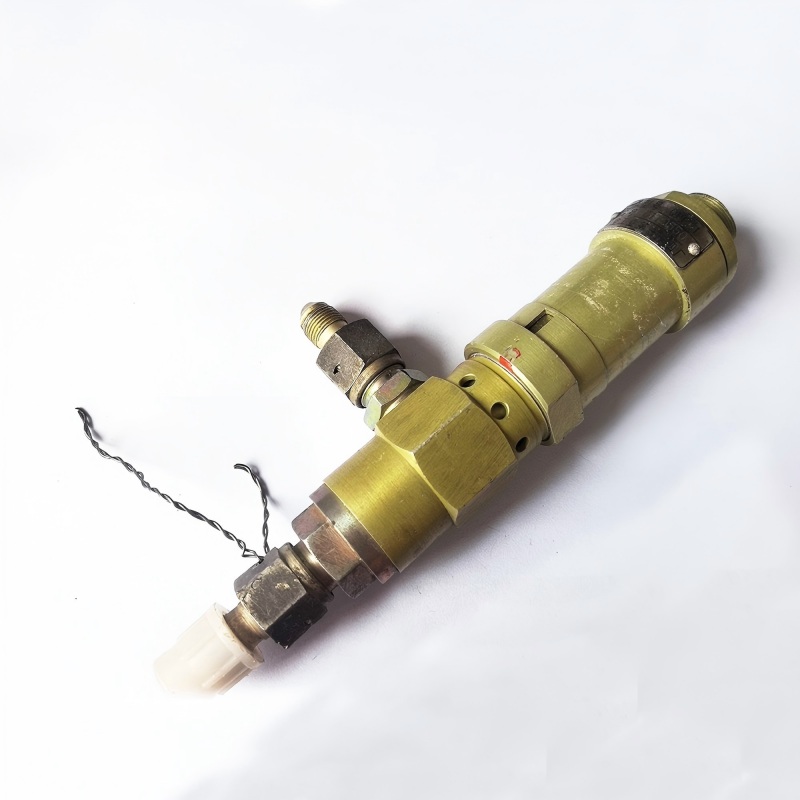
The QDF-1 is a direct-acting or pilot-operated solenoid valve designed for aerospace use. Its operation is based on electromagnetism: when the coil is energized, it creates a magnetic field that moves a plunger, either opening or closing the fluid passage. This provides digital (on/off) control via an electrical signal, a fundamental requirement for automated systems in modern high quality aviation engine controls and landing gear hydraulics.
Key Technical Advantages for Aerospace Use
- Fast Response Time: Typical actuation times under 10ms, crucial for critical flight control systems.
- High Reliability & Long Life: Designed for millions of cycles, with robust coil construction resistant to vibration and thermal cycling.
- Sealed Design: Meets ingress protection standards (e.g., IP67) for operation in harsh environments.
- Low Power Consumption: Optimized coil design compatible with standard aircraft DC power supplies (often 28V DC).
Primary Application Domains for the QDF-1 Magnetic Valve
The versatility of the QDF-1 platform allows it to serve as a key component across multiple aerospace subsystems. Procurement managers should evaluate its fit for the following critical applications:
1. Fuel Management Systems
Used for fuel shut-off, cross-feed control, and APU (Auxiliary Power Unit) fuel sequencing. The valve's leak-tight design in the de-energized state (normally closed configuration) is essential for safety. This makes it a vital part of both commercial aircraft aviation valves & regulator suites and specialized military aviation valves systems.
2. Hydraulic & Pneumatic Actuation Systems
Controls the flow of hydraulic fluid to actuators for landing gear, flaps, and brakes. In pneumatic systems, it can manage bleed air or cabin pressure control valves. Its fast response is key here.
3. Environmental Control Systems (ECS)
Regulates the flow of air or coolant in aircraft air conditioning and avionics cooling loops, protecting sensitive electronics.
4. Emerging & Unmanned Applications
The compact size and reliability of valves like the QDF-1 make them ideal for aviation valves & regulator for drone (UAV) applications, such as fuel control for heavy-lift drones or hydraulic systems for unmanned cargo Train, Plane concepts. Their electrical interface aligns perfectly with digital flight control systems.
Industry Trends & Technological Evolution
New Technology R&D and Application Dynamics
The frontier for magnetic valves like the QDF-1 is "smart" functionality. The integration of microcontrollers and Hall-effect sensors directly onto the valve enables real-time feedback on valve position, coil health, and cycle count. This facilitates predictive maintenance, a cornerstone of modern MRO strategy. Additionally, research into high-temperature superconductors for coils could revolutionize efficiency in the future.
Industry Trend Analysis: The More-Electric Aircraft (MEA)
The dominant trend in aviation is the replacement of pneumatic and hydraulic systems with electrical ones. This "Power-by-Wire" shift dramatically increases the demand for high-performance solenoid valves like the QDF-1, as they become the primary interface between the aircraft's electrical system and remaining fluid systems. This trend ensures their long-term relevance in next-generation aircraft engine and airframe designs.

Procurement Lens: 5 Critical Concerns for Russian Buyers
Sourcing components for the CIS aerospace sector involves unique considerations. When evaluating a QDF-1 supplier, Russian procurement managers prioritize:
- Certification Stack & Documentation: Explicit, verifiable compliance with both international standards (DO-160 for environmental testing, AS9100) and regional aviation authority requirements (e.g., Russian Interstate Aviation Committee (IAC) certification or GOST approvals). Complete, translated documentation packs are non-negotiable.
- Extended Temperature & Harsh Environment Validation: Proven performance data for continuous operation in extreme cold (< -55°C) and resistance to specific fluids used in regional fleets. This goes beyond standard qualification.
- Electromagnetic Compatibility (EMC) Certification: Detailed test reports proving the valve's coil and electronics do not emit harmful interference and are immune to the aircraft's electromagnetic environment, per RTCA/DO-160 Section 20 or equivalent.
- Supply Chain Security & Localization: Preference for suppliers with a stable, audited sub-tier supply chain and a willingness to establish local technical support or warehousing agreements to ensure parts availability and reduce lead times.
- Lifecycle Cost & Supportability: Analysis includes not just unit cost, but also the predicted MTBF (Mean Time Between Failures), the cost and availability of spare coils and seal kits, and the supplier's capability for repair and overhaul (R&O) services.
Installation, Maintenance & Industry Standards
Key Installation and Operational Guidelines
To ensure specified performance:
- Electrical Connections: Use the correct gauge wire and crimp connectors. Ensure polarity is observed for DC valves. Protect the coil from excessive moisture and physical damage.
- System Cleanliness: Install in-line filters upstream of the valve, especially in hydraulic systems, to prevent contaminant-induced failure—a leading cause of solenoid valve malfunction.
- Mounting Orientation: Some valves have recommended mounting orientations (e.g., coil upright) to ensure proper plunger movement and drainage. Consult the QDF-1 installation manual.
Routine Maintenance and Troubleshooting
Common Failure Modes & Solutions:
Valve fails to actuate: Check power supply, coil resistance (for open/short circuit), and for mechanical binding due to contamination.
External leakage: Typically indicates seal failure. Replace using a genuine YM repair kit.
Internal leakage (passing): Could be due to worn seat, debris on the seat, or insufficient pressure differential for pilot-operated types. Requires inspection and cleaning or part replacement.

Governing Industry Standards
Procurement and qualification are framed by critical standards:
RTCA/DO-160: Environmental Conditions and Test Procedures for Airborne Equipment (vibration, temperature, humidity, EMC).
SAE AS 1938: Performance standard for solenoid valves used in aircraft fluid systems.
MIL-V-85030 / MIL-V-8774: Military specifications covering solenoid valve design and performance requirements.
YM Precision Engineering: Manufacturing the Core of Control
Advanced Manufacturing Infrastructure
The consistent performance of the QDF-1 is a result of precision manufacturing at scale. Our 70,000 sq. meter integrated production facility features automated winding machines for coil production, helium leak test stations for 100% seal verification, and dedicated EMC testing chambers. This allows us to produce high quality aviation components like the QDF-1 with the traceability and consistency required for global aerospace customers.

R&D Focused on Electromagnetic Efficiency
Our R&D team, which includes PhDs in electromagnetic systems, is focused on pushing efficiency boundaries. A key achievement is our patented "Low-Power Latching Solenoid" technology, used in a variant of the QDF-1. This design consumes power only during state change, not while holding position, significantly reducing thermal load and electrical draw—a major advantage for battery-sensitive aviation valves & regulator for drone applications and for improving overall aircraft energy efficiency.
Frequently Asked Questions (FAQ)
Q1: What is the primary difference between a direct-acting and a pilot-operated QDF-1 valve, and which should I choose?
A: A direct-acting valve uses the solenoid force directly to open/close the main orifice. It works at low pressure but has limited flow capacity. A pilot-operated valve uses solenoid force to control a small pilot orifice, which then uses system pressure to operate the main valve. It handles higher flows and pressures but requires a minimum pressure differential to function. Choice depends on your system's pressure and flow requirements; our application engineering team can assist.
Q2: Can the QDF-1 be configured for both normally open (NO) and normally closed (NC) operation?
A: Yes, the QDF-1 platform is typically offered in both NO and NC configurations. The "normal" state refers to the valve's position when the coil is de-energized. The correct choice is critical for system safety (e.g., a fuel shut-off valve is usually NC to close on power loss).
Q3: How critical is fluid compatibility, and what seal materials are available?
A: It is paramount. Incompatible fluids will degrade seals, leading to failure. The QDF-1 can be configured with various seal materials (e.g., FKM/Viton for jet fuel and oils, EPDM for Skydrol hydraulic fluid, PTFE for high temps). Always specify the operating fluid, temperature, and pressure when requesting a quote or reviewing a Technical Data Sheet.
References and Further Reading
1. RTCA, Inc. (2010). DO-160G: Environmental Conditions and Test Procedures for Airborne Equipment. Washington, D.C.: RTCA.
2. SAE International. (2018). AS1938D: Solenoid Valves, Aircraft, Hydraulic and Pneumatic, General Specification For. Warrendale, PA: SAE International.
3. Moir, I., & Seabridge, A. (2021). Military Avionics Systems (2nd ed.). John Wiley & Sons. [Chapter on Fluid System Management].
4. Aerospace Engineering Forum on Reddit. (2023, March). User "FluidSystems_ENG". Thread: "Solenoid Valve Failure Modes in UAVs – A Case Study and Discussion." r/AerospaceEngineering.
5. Aviation Week & Space Technology. (2022, October 15). "The Accelerating Journey to the More-Electric Aircraft." [Online Industry Report].


