
Aviation Connector Installation Best Practices: Ensuring Reliability from the Ground Up
For procurement managers, maintenance supervisors, and production engineers, the performance of a Military Aviation Connector is only as good as its installation. A flawless connector, when improperly installed, becomes the weakest link in a system—leading to intermittent faults, corrosion, and catastrophic failures in critical applications like Aircraft Engine controls or flight systems. This comprehensive guide outlines field-proven best practices for installing aviation-grade connectors, providing B2B professionals with the knowledge to ensure longevity, maintain signal integrity, and protect their investment in high-reliability interconnection systems.
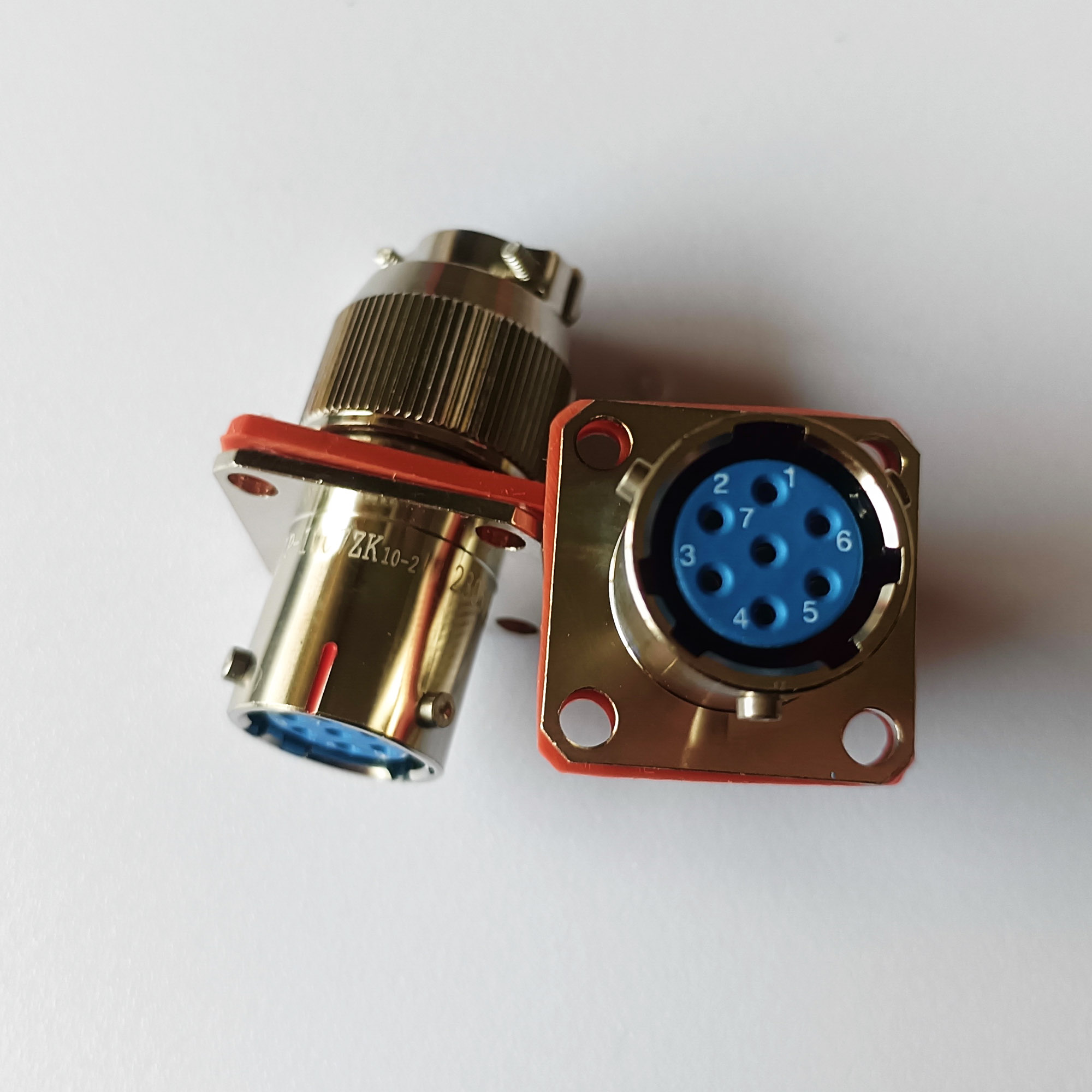
The Foundation: Pre-Installation Planning and Inspection
Successful installation begins long before the first wire is stripped. A disciplined pre-installation phase prevents the majority of field failures.
- Documentation Review: Thoroughly study the connector manufacturer's assembly instructions, wiring diagram, and the applicable aircraft or system maintenance manual. Verify the correct part numbers for shells, inserts, contacts, and backshells.
- Component Verification & Kitting: Inspect all connector components for damage: check for bent or contaminated pins/sockets, cracked insulators, nicked O-rings, and damaged shell threads. Use a kit with all necessary parts to avoid mid-process shortages.
- Tool Calibration & Verification: Ensure all tools—crimpers, insertion/extraction tools, torque wrenches—are within their calibration period and are the exact models specified by the connector manufacturer. Using incorrect or worn tools is a leading cause of poor installations.
- Workspace Preparation: Work in a clean, well-lit, and static-safe area. Keep fluids, dust, and debris away from the connector components. This is especially critical for connectors destined for a High quality Aviation Engine monitoring system where contamination can cause insulation failure.
The Procurement Link: Specifying for Maintainability
As a procurement professional, you influence installation success by selecting connectors from manufacturers like YM who provide clear documentation, standardized tooling, and readily available spare parts kits. Specifying connectors with features like positive-contact retention (PCR) systems or visual mating indicators can significantly reduce installation errors and subsequent maintenance costs.
Step-by-Step Installation Procedure
Follow this sequential process to achieve a reliable, professional installation. Deviating from this order can compromise the connector's environmental sealing or electrical performance.
Phase 1: Contact Preparation and Termination
- Wire Stripping: Strip the wire to the precise length specified in the instructions using a calibrated, adjustable stripper. Avoid nicking the conductor strands.
- Contact Crimping (The Most Critical Step):
- Select the correct die set for the contact size and wire gauge.
- Insert the contact and wire into the crimper exactly as per the tool manual.
- Execute a complete crimp cycle. The crimp should be symmetrical with no flash or underfill.
- Mandatory: Perform a pull-force test on a sample crimp from the same batch to verify it meets the required strength (often per MIL-STD-1344, Method 2036).

Phase 2: Connector Assembly
- Contact Insertion: Use the manufacturer-provided insertion tool to seat each contact fully into the connector insert. You should feel and/or hear a positive click or lock. Never use a screwdriver or other makeshift tool. Verify seating depth with a go/no-go gauge.
- Seal Installation: Install the rear insert seals (grommets) onto each wire before inserting the contact. For potted versions, follow the precise mixing and curing instructions for the potting compound.
- Backshell and Strain Relief Assembly: Assemble the backshell over the cable. Properly route wires and tighten the cable clamp to the specified torque. The clamp should secure the cable jacket firmly without crushing the inner conductors, providing essential strain relief to prevent wire pull from transferring to the solder or crimp joint.
Phase 3: Final Mating and Inspection
- Seal and Interface Preparation: Lightly lubricate interface O-rings with the manufacturer-specified lubricant (e.g., fluorosilicone grease) if required. Wipe pins/sockets with isopropyl alcohol and lint-free swabs to remove any contamination.
- Connector Mating: Align the key and keyway. For threaded connectors, start the coupling nut by hand to avoid cross-threading. Finish tightening with a torque wrench to the exact value specified (e.g., 1.5-2.5 Nm). For push-pull types, push straight in until a definitive click is heard and felt.
- Final Visual and Electrical Inspection: Visually confirm the connector is fully mated and secure. Perform a continuity check and an insulation resistance test (megger test) to verify the integrity of the installation before power-on.

Industry Trends: Ergonomic Tools and Assisted Assembly
Installation technology is evolving to improve consistency and reduce human error:
- Digital and Force-Monitored Crimping Tools: Advanced crimpers provide digital feedback on crimp quality (force vs. distance curve), storing data for traceability and ensuring every crimp meets spec.
- Augmented Reality (AR) Guidance: Emerging AR systems can project wiring diagrams and assembly instructions directly onto the technician's workspace, reducing reference time and errors for complex harnesses.
- Automated Harness Assembly: For high-volume production, automated machines can cut, strip, crimp, and insert contacts with exceptional consistency, though final assembly and mating often remain manual for complex configurations.
5 Critical Installation Verification Points for Russian Technical Audits
Russian quality and procurement teams conduct rigorous audits of installation processes, focusing on:
- Tool Calibration Certificates Traceable to GOST Standards: All installation tools must have valid calibration certificates issued by a lab accredited to the Russian metrology system (Rosstandart), with a clear chain of national standards traceability.
- Adherence to Russian-Language Technical Documentation (ТИ - Технологическая Инструкция): The installation must follow a formally approved, Russian-language Technological Instruction (TI), often customized from the manufacturer's manual, with signed checkpoints by the technician.
- Material Control for Seal Lubricants and Cleaning Solvents: Only specific, approved Russian-made or certified imported lubricants and solvents can be used on seals and contacts. Their use must be documented in the assembly record.
- Witnessed Sample Pull-Testing and Electrical Validation: Auditors will often witness destructive pull-tests on sample crimps from the production batch and require the use of Russian-made or certified meggers for insulation resistance verification.
- Complete As-Built Documentation (Исполнительная Документация): For each installed connector, a complete record must be created including part numbers, batch/lot codes, tool IDs, torque values, test results, and the technician's signature. This is mandatory for system certification.
Common Installation Pitfalls and How to Avoid Them
The "Dirty Dozen" of Connector Installation Errors
- Incorrect Crimp Die Selection: Using a die for the wrong wire gauge or contact size.
- Improper Wire Strip Length: Too long exposes conductor; too short prevents proper crimp barrel engagement.
- Over- or Under-Torquing Coupling Nuts: Over-torquing damages threads and seals; under-torquing leads to vibration-induced loosening.
- Mis-routed Wires in Backshell: Causing pinching or excessive stress on individual wires.
- Contamination: Finger oils, solder flux, or dust on contacts or inside the connector.
- Using Non-Specified Tools: Leading to damaged contacts, inserts, or shells.
YM's Support Ecosystem: Tools, Training, and Traceability
YM understands that our responsibility extends beyond shipping a component. We provide a complete support ecosystem to ensure proper installation. This includes supplying calibrated tooling kits and comprehensive training programs—both in-person and virtual—that certify technicians on our products. Our connectors are designed for ease of assembly, featuring color-coded inserts and tool-less contact retention systems where possible. Our commitment to quality is reflected in our 25,000 sq.m. facility, where we use many of these same best practices in our own custom cable assembly service. Our R&D team's development of a quick-visual-inspection feature for contact seating has dramatically reduced assembly errors in the field, a simple yet powerful innovation born from direct feedback from our maintenance partners.

Frequently Asked Questions (FAQ)
Q1: How often should installation tools (crimpers, torque wrenches) be calibrated?
A: Calibration intervals depend on usage and standards, but for aerospace work, a typical interval is every 6 to 12 months, or after 5,000-10,000 cycles for a crimper. Always follow the tool manufacturer's recommendation and the quality requirements of your organization (often dictated by AS9100 or similar). A tool dropped or damaged must be recalibrated before further use.
Q2: What is the proper way to clean aviation connector contacts in the field?
A: For light contamination, use isopropyl alcohol (99% purity) and a lint-free swab. Gently wipe the pin or socket. For heavier contamination, use a specialized electronic contact cleaner spray followed by drying with clean, dry air. Never use abrasives (files, sandpaper), pencil erasers, or cloths that may leave lint. Always inspect the contact under magnification after cleaning.
Q3: Can I re-use a contact that has been removed from a connector?
A: Generally, no. Most high-reliability crimp contacts are designed for a single installation. The crimp barrel and the retention features (like the spring latch that holds it in the insert) are deformed during installation and removal. Reusing a contact risks a poor electrical connection and insecure retention. Always use a new contact. Some specific removable contacts are designed for limited reuse—check the manufacturer's datasheet.
Q4: What is the single most important check after installing a connector on a critical system like an Aircraft Engine sensor?
A: After visual inspection for proper mating, the insulation resistance (IR) test is paramount. Using a megohmmeter (megger), test between each pin and all other pins grounded together, and between all pins and the connector shell. A low IR reading indicates contamination, moisture ingress, or insulation damage from the installation process. Catching this before power-up prevents short circuits and system damage.
Relevant Standards and Workmanship Guidelines
Proper installation is defined and governed by several key industry standards:
- IPC/WHMA-A-620: The "bible" for cable and wire harness assembly requirements and acceptance, covering crimping, soldering, and assembly.
- MIL-STD-1344: Test Methods for Electrical Connectors (e.g., Method 2036 for contact retention).
- MIL-STD-1472: Human Engineering Design Criteria, informing tool and connector design for ease of use.
- SAE AS50881: Wiring Aerospace Vehicle standard, covering installation practices.
- GOST 23585-79 / GOST R 54073-2010: Russian standards for electrical installation and wiring methods in equipment.
- NASA-STD-8739.4: Crimping, Interconnecting Cables, Harnesses, and Wiring standard for high-reliability workmanship.

References and Technical Manuals
1. IPC/WHMA. (2017). *IPC/WHMA-A-620D: Requirements and Acceptance for Cable and Wire Harness Assemblies*. IPC.
2. National Aeronautics and Space Administration. (2016). *NASA-STD-8739.4: Crimping, Interconnecting Cables, Harnesses, and Wiring*. NASA.
3. Aviation Maintenance Magazine. (2023, August 15). *"Field Report: Common Connector Installation Errors and Their Impact on MRO Turnaround Time"* [Industry article].
4. Smith, J. D. (2021). *"The Impact of Precision Tooling on the Reliability of Aerospace Electrical Terminations"*. SAE Technical Paper 2021-01-0015.


