XI'AN YUMU ELECTRONICS TECHNOLOGY CO.,LTD
Home> NEWS> Aviation Electronics Business Opportunities

Aviation Electronics Business Opportunities

2025,12,12

Aviation Electronics Business Opportunities: A Guide for B2B Procurement Professionals

The global aviation electronics (avionics) sector is experiencing a period of significant transformation and growth. For B2B procurement managers across the spectrum—from large brand distributors to OEM/ODM manufacturers—this evolution presents substantial new business opportunities. This article delves into the key market drivers, critical product categories like Military Aviation Contactors and Aviation Sensors, and the strategic considerations for sourcing high-reliability components in a competitive landscape.

JH-2S RX4.520.328 Polarized Relay

Latest Industry Trends & Technology Dynamics

Several key trends are reshaping the aviation electronics procurement landscape:

  • Modernization of Military Fleets: Global defense spending is driving upgrades, creating sustained demand for ruggedized components such as Military Aviation Relays and specialized Aviation Fuses.
  • Rise of Urban Air Mobility (UAM) & Drones: The commercial drone and emerging eVTOL (electric Vertical Take-Off and Landing) markets require lightweight, reliable avionics, including precision Aviation Meters for Drones.
  • Supply Chain Resilience: Post-pandemic, there's a marked shift towards diversifying suppliers and securing partners with robust vertical integration and quality control.
  • Advanced Sensing and Connectivity: Integration of IoT and predictive maintenance capabilities is increasing the sophistication and value of Aviation Sensor systems.

New Technology R&D and Application Trends

Innovation is focused on enhancing safety, efficiency, and data capabilities. Key areas include:

  1. Solid-State Power Controllers: Gradually replacing traditional electromechanical Aircraft Contactors for longer life and diagnostic capabilities.
  2. Miniaturization & Weight Reduction: Critical for next-generation aircraft and drones, impacting all component designs.
  3. Enhanced Sensing Technologies: Development of more durable and accurate sensors for monitoring Aircraft Engine performance and structural health.
Hydraulic Filter MQL-5 15MPA

Critical Aviation Electronic Components for Procurement

Success in this field hinges on a deep understanding of core product categories. Here are essential components driving Aviation Electronics Business Opportunities:

1. Power Management & Distribution

This category forms the electrical backbone of any aircraft. Reliability is non-negotiable.

  • Military Aviation Contactors: High-current switching devices designed to withstand extreme vibration, shock, and temperature ranges found in military applications.
  • Military Aviation Relays: Provide crucial control and isolation functions. Modern versions feature sealed designs and are qualified to stringent MIL specs.
  • Aviation Fuses: Critical circuit protection components. Procurement must focus on precise current ratings, interrupt capacity, and certifications (e.g., DO-160, MIL-PRF-23419).

2. Sensing, Measurement & Engine Systems

These components are the "eyes and ears" of the aircraft, directly impacting performance and safety.

  • Aviation Sensors: Monitor parameters like pressure, temperature, position, and flow. Trends lean towards smart sensors with digital output for integrated vehicle health management (IVHM) systems.
  • Aviation Meters for Drones: Include altimeters, airspeed indicators, and battery monitoring systems tailored for the UAV sector's size, weight, and power (SWaP) constraints.
  • High-Quality Aviation Engine Components: Sourcing parts for turbine and piston engines demands partnerships with suppliers possessing deep metallurgical and precision engineering expertise, ensuring performance and longevity.
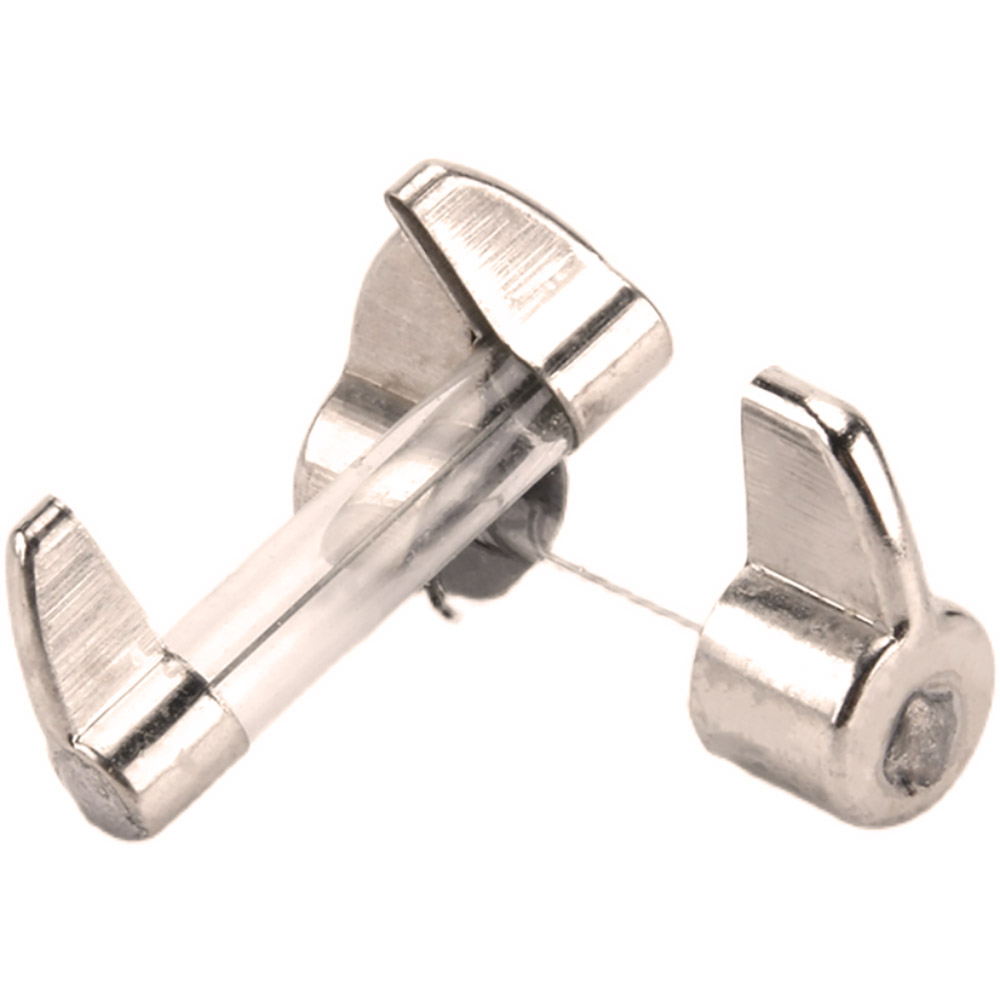
Glass Fuse BGDC 12X37

Key Considerations for International Procurement Managers

5 Primary Concerns for Procurement from Regions like Russia & CIS

Based on market analysis, procurement officers from price-sensitive and regulated markets often prioritize:

  1. Certification & Compliance: Mandatory demand for products meeting international standards (e.g., ISO, AS9100, MIL-SPEC, EASA/FAA approvals).
  2. Total Cost of Ownership (TCO): Focus extends beyond unit price to include lifecycle cost, maintenance intervals, and warranty terms.
  3. Supply Chain Security & Lead Time: Guaranteed supply stability and transparent logistics are crucial for production planning.
  4. Technical Documentation & Traceability: Complete, accurate documentation and full component traceability (from raw material to finished good) are essential for quality audits.
  5. After-Sales Support & Spare Parts Availability: Reliable technical support and a long-term commitment to spare parts supply are critical decision factors.

Industry Standards & Product Knowledge

Essential Aviation Standards

Understanding governing standards is vital for risk-free procurement:

  • AS9100: The quality management system standard for the aerospace industry.
  • DO-160: Environmental testing conditions for airborne equipment.
  • MIL Specifications (e.g., MIL-PRF-6106, MIL-DTL-38999): Define performance requirements for military-grade components.
  • RTCA/DO-254 & DO-178C: Design assurance guidelines for complex electronic hardware and software.

Product Use & Maintenance Best Practices

Proper handling extends component life:

  1. Storage: Keep Aircraft Contactors and Relays in climate-controlled, dry environments to prevent corrosion.
  2. Handling: Use ESD (electrostatic discharge) precautions when handling sensitive Aviation Sensors and circuit boards.
  3. Installation: Follow torque specifications precisely for engine-mounted components and use proper locking mechanisms.
  4. Testing: Implement regular functional testing as part of preventive maintenance schedules, especially for safety-critical Aviation Fuses and relays.
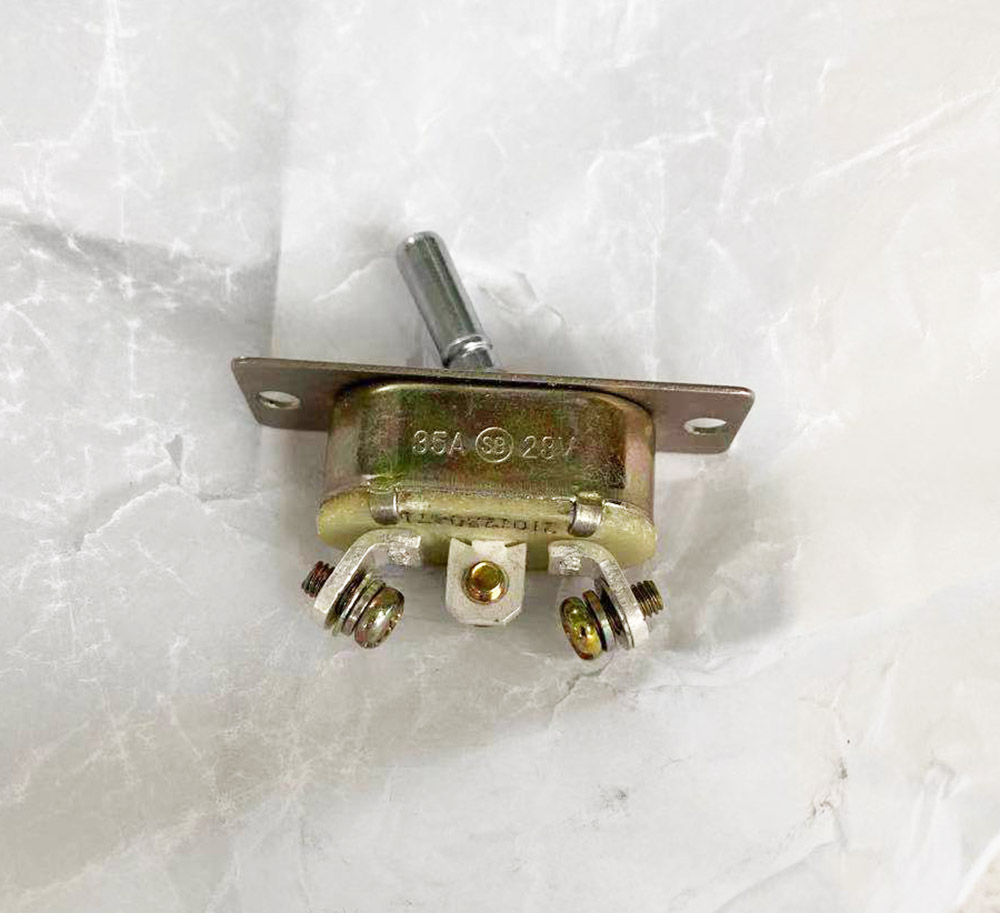
ZKK 35A 28VDC Rocker switch

Why Partner with a Certified, Integrated Manufacturer?

Navigating the complex Aviation Electronics Business Opportunities requires a supplier that is more than just a vendor. YM Electronics combines manufacturing scale with deep engineering expertise.

Factory Scale & Advanced Facilities

Our 40,000-square-meter production campus houses state-of-the-art SMT (Surface Mount Technology) lines, automated assembly stations, and dedicated clean rooms for Military Aviation Relay and sensor assembly. This vertical integration allows for strict control over every production stage, from sourcing raw materials to final testing, ensuring consistent High-Quality Aviation Engine component production.

Dedicated R&D Team & Innovation

Our R&D center, staffed by engineers with decades of aerospace experience, is the engine of our innovation. Recent achievements include three patented designs for a more compact, vibration-resistant Aircraft Contactor and the development of a new line of integrated health-monitoring Aviation Sensors. Continuous investment in R&D ensures our products meet evolving market needs.

Map illustrating global logistics and supply chain network

Frequently Asked Questions (FAQ) for Aviation Electronics Procurement

Q1: What is the most critical factor when sourcing military-grade aviation electronics?

A: Unquestionably, it is certification and proven compliance with relevant military standards (MIL-SPEC). Documentation and traceability are part of this requirement. Always request certificates of conformity and evidence of qualification testing.

Q2: How can I mitigate supply chain risks for long-lifecycle aviation programs?

A: Partner with manufacturers who commit to long-term production support and offer obsolescence management programs. Discuss their component lifecycle management strategy upfront and secure agreements for future spare parts manufacturing.

Q3: Are components designed for "military aviation" suitable for commercial drone use?

A: While often over-specified for durability, they may be too heavy or costly. The better approach is to source from suppliers who design for specific segments. For drones, seek components like Aviation Meters for Drones that balance SWaP constraints with necessary reliability.

Q4: What should I look for in a supplier's quality management system?

A: An AS9100 certification is the baseline. Beyond the certificate, audit their process control, failure analysis capabilities, and corrective action system. A robust QMS is your best assurance against defects.

References & Further Reading

  • Federal Aviation Administration (FAA). (2023, May 15). Advisory Circular: Electronic Flight Displays. FAA.gov. Retrieved from https://www.faa.gov/documentLibrary/media/Advisory_Circular/AC_25-11B.pdf
  • Aviation Week Network. (2024, January 22). MRO Forecast 2024-2033: Avionics and Electronics. AviationWeek.com.
  • Smith, J. [@AeroEngineer]. (2023, November 10). Discussion on solid-state vs. electromechanical contactors in new airframe designs. Reddit, r/AerospaceEngineering. https://www.reddit.com/r/AerospaceEngineering/comments/...
  • "MIL-PRF-6106 Revision P: Performance Specification for Relay, Electromagnetic, Established Reliability." (2022). Defense Logistics Agency.
  • Wikipedia contributors. (2024, February 10). Avionics. In Wikipedia, The Free Encyclopedia. Retrieved from https://en.wikipedia.org/wiki/Avionics
Contact Us

Author:

Ms. Linda Deng

Phone/WhatsApp:

+86 13759943660

Popular Products
You may also like
Related Categories

Email to this supplier

Subject:
Email:
Message:

Your message must be between 20-8000 characters

Contact Us

Author:

Ms. Linda Deng

Phone/WhatsApp:

+86 13759943660

Popular Products

Contact

Send Inquiry

We will contact you immediately

Fill in more information so that we can get in touch with you faster

Privacy statement: Your privacy is very important to Us. Our company promises not to disclose your personal information to any external company with out your explicit permission.

Send