
Navigating the Aviation Electronics Certification Process: A Guide for B2B Buyers and Manufacturers
The path to getting aviation electronics from the production line to the cockpit is rigorous, defined by a complex global certification landscape. For B2B procurement managers across the supply chain—from OEM/ODM manufacturers to major distributors—understanding this process is not just about compliance; it's a critical component of risk management, supply chain reliability, and product quality assurance. This guide breaks down the certification journey and highlights the key considerations for international buyers, especially in the current dynamic market.

Understanding the Core Aviation Electronics Certification Frameworks
Certification ensures that every component, from a Military Aviation Relay to an Aviation Sensor, meets stringent safety and performance standards. The primary authorities are the FAA (Federal Aviation Administration) in the US and EASA (European Union Aviation Safety Agency) in Europe, with other regions often aligning with these standards.
Key Certification Standards and Their Implications
- DO-160 (Environmental Conditions & Test Procedures): The cornerstone for testing how equipment performs under extreme conditions like temperature, vibration, and electromagnetic interference. Any Aircraft Engine sensor or control unit must pass these tests.
- DO-254 (Design Assurance for Airborne Electronic Hardware) & DO-178C (Software Considerations): These govern the design and development process for complex hardware and software, critical for modern Aviation Meters for Drones and flight control systems.
- TSO (Technical Standard Order) / ETSO (European TSO): A minimum performance standard for specific materials, parts, and appliances. Obtaining a TSO/ETSO authorization is often a baseline for market entry.
The Step-by-Step Certification Journey for Aviation Components
- Planning & Project Definition: Align component design (e.g., a new Military Aviation Contactor) with the applicable certification basis (FAA Part 21, EASA Part 21) from the very beginning.
- Design & Development Compliance: Engineers follow strict guidelines (DO-254/178C) to ensure the design is inherently compliant. This phase involves rigorous documentation.
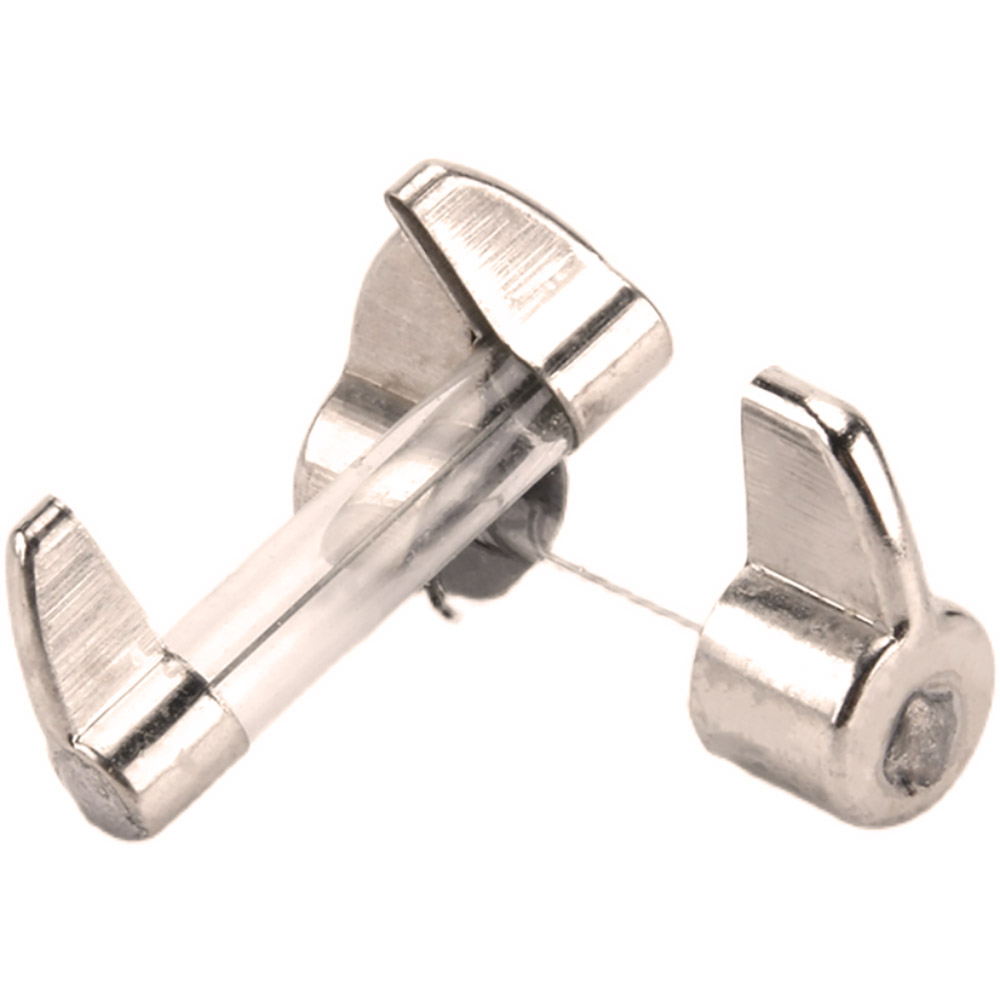
- Testing & Verification: Units undergo exhaustive testing per DO-160 in accredited labs. This is where the durability of an Aviation Fuse or the accuracy of a pressure sensor is proven.
- Quality System Audit: The manufacturing facility must have an approved quality system (e.g., AS9100D). Auditors examine processes for producing High Quality Aviation Engine components consistently.
- Submission & Regulatory Review: All data—test reports, design documents, quality manuals—is submitted to the aviation authority for review and approval.
- Post-Certification Compliance: Continued airworthiness must be maintained, requiring processes for handling defects, modifications, and repairs.

Top 5 Concerns for Russian Procurement Managers in Aviation Electronics
Given unique geopolitical and logistical factors, Russian procurement specialists often prioritize:
- Sanctions Compliance & Supply Chain Legitimacy: Ensuring components like Aircraft Contactors and relays have no restricted origins and all documentation is verifiable.
- Dual Certification (EASA & Local GOST): Preference for suppliers whose products hold both international (EASA/FAA) and Russian national (GOST) approvals, simplifying import and integration.
- Long-Term Technical Support & Spare Parts Availability: Given potential isolation, guaranteed access to maintenance documentation and spare parts (e.g., for Aviation Relays and fuses) over a 15-20 year lifecycle is critical.
- Robustness for Harsh Environments: Components must exceed standard DO-160 levels for cold-weather operation, a key factor for Aviation Sensors and meters used in regional aircraft.
- Direct Manufacturer Relationships: A strong preference for dealing directly with factories that control the entire production process, minimizing intermediaries and ensuring traceability.
Latest Industry Trends & Technological Advancements
The certification landscape is evolving alongside technology.
1. eVTOL and Advanced Air Mobility (AAM)
The rise of drone taxis and cargo drones is creating new certification pathways. Authorities are developing tailored frameworks for these vehicles, impacting the standards for Aviation Meters for Drones and their Aviation Electronics Certification Process. The focus is on adapting existing DO standards for scalable, autonomous systems.
2. More Electric Aircraft (MEA) and Electrification
The shift from pneumatic and hydraulic systems to electrical ones increases demand for high-power, reliable Military Aviation Contactors and relays. Certification now must address new concerns like high-voltage arcing and thermal management in a High Quality Aviation Engine's electrical system.

YM's Commitment to Certified Quality and Manufacturing Excellence
Navigating certification requires a partner with robust infrastructure and technical depth.
Factory Scale and Dedicated Certification Facilities
Our 40,000 sq.m. manufacturing campus houses AS9100D-certified production lines and a state-of-the-art, in-house environmental testing lab. This allows us to conduct pivotal DO-160 testing on our Aviation Fuses and Military Aviation Relays under one roof, ensuring tighter control and faster iteration during the Aviation Electronics Certification Process.

R&D Driving Certifiable Innovation
Our 50-member engineering team, with an average of 15 years in aerospace, focuses on designing for certification from day one. Recent innovations include a new solid-state Aircraft Contactor platform designed to meet the stringent EMI and lifespan requirements of next-generation More Electric Aircraft, currently undergoing rigorous evaluation for TSO authorization.
Product Use and Maintenance Best Practices for Certified Components
- Proper Handling: Even certified components like Aviation Sensors are ESD-sensitive. Always follow the manufacturer's handling procedures outlined in the certification documentation.
- Documentation Chain: Maintain the complete "certification pack" (test reports, conformity statements) for every batch of Aviation Fuses or relays. This is essential for your own quality audits and traceability.
- Preventive Maintenance: Follow scheduled maintenance intervals based on component service history. For example, the mechanical life of a Military Aviation Contactor is defined in its TSO data sheet.
Frequently Asked Questions (FAQ) on Aviation Electronics Certification
Q1: Can a component certified by EASA be used in an FAA-regulated aircraft?
A: Yes, through bilateral agreements like the EU-US Safety Agreement, there is extensive mutual recognition. However, formal validation by the local authority (FAA) is often required, which is a streamlined process if full EASA certification is held.
Q2: How long does the typical certification process take for a new Aviation Meter?
A: Timeline varies drastically by complexity. A minor modification may take 6-12 months, while a completely new, complex device (e.g., for a High Quality Aviation Engine) can take 2-4 years from project start to approval, inclusive of all design, testing, and audit phases.
Q3: What is the single most common reason for delays in certification?
A: Inadequate or poor-quality documentation. Regulatory compliance is demonstrated as much through paper as through test results. A well-organized, comprehensive, and clear data package is crucial for a smooth Aviation Electronics Certification Process.
References and Further Reading
- Federal Aviation Administration (FAA). (2023, May 15). Technical Standard Order (TSO) Program. Retrieved from FAA.gov website.
- EU Aviation Safety Agency (EASA). (2022). Certification Specifications for Airborne Electronic Hardware (CS-ACNS). Easy Access Rules document.
- RTCA, Inc. (2020). DO-160G, Environmental Conditions and Test Procedures for Airborne Equipment. Washington, DC.
- Smith, J. [AerospaceEngGuru]. (2023, January 10). Practical challenges in DO-254 compliance for small manufacturers. [Online forum post]. Reddit, r/AerospaceEngineering.
- Wikipedia contributors. (2024, March 10). Aviation certification. In Wikipedia, The Free Encyclopedia.
- Jones, P., & Chen, L. (2022). "Adapting Airworthiness: The Certification Challenge for eVTOL Systems." Journal of Aerospace Engineering and Technology, 15(2), 45-59.


