Aviation Electronics Performance Validation: A Comprehensive Guide for B2B Procurement
In the aerospace industry, performance validation is the critical process that separates reliable components from potential liabilities. For procurement managers sourcing Military Aviation Relays, Aircraft Contactors, and Aviation Sensors, understanding validation methodologies is essential for ensuring supply chain reliability and compliance. This comprehensive guide explores the validation landscape, industry standards, and emerging technologies that are reshaping how we verify aviation electronics performance.
The Critical Importance of Performance Validation in Aviation
Performance validation serves as the final quality gate before components enter the supply chain. Unlike basic testing, validation ensures that Aviation Electronics Performance Validation meets both design specifications and real-world operational requirements under extreme conditions. This process is particularly crucial for:
- Safety-Critical Components: Items like Aviation Fuses and circuit protection devices that directly impact aircraft safety systems
- High-Value Systems: Components for High Quality Aviation Engine controls and monitoring systems
- Mission-Essential Equipment: Electronics for military applications and drone systems where failure is not an option
Core Components of Aviation Electronics Validation
1. Functional Performance Testing
This involves verifying that components operate according to their design specifications. For example, validating that an Military Aviation Contactor engages and disengages within specified time parameters under various load conditions.
2. Environmental Stress Validation
Components must withstand extreme conditions they'll encounter in service. Key validation areas include:
- Temperature Cycling: From -55°C to +125°C for typical Aviation Applications
- Vibration and Shock Testing: Simulating takeoff, landing, and turbulence conditions
- Altitude and Pressure Testing: Validating performance at high altitudes
- EMI/EMC Testing: Ensuring electromagnetic compatibility in crowded aviation environments
Industry Standards and Certification Requirements
Performance validation follows strict industry standards that govern aviation electronics:
Key Standards for Validation
- RTCA/DO-160: Environmental Conditions and Test Procedures for Airborne Equipment - the global standard for aviation electronics testing
- MIL-STD-810: Environmental Engineering Considerations and Laboratory Tests - particularly important for military applications
- MIL-STD-202: Test Methods for Electronic and Electrical Component Parts
- AS9100: Quality Management Systems for Aerospace
5-Step Validation Process for Aviation Electronics
- Requirements Analysis: Define performance criteria based on component application and relevant standards
- Test Plan Development: Create detailed validation protocols for each performance parameter
- Setup and Calibration: Prepare test equipment with proper calibration traceable to national standards
- Execution and Monitoring: Conduct tests while continuously monitoring component performance
- Documentation and Reporting: Compile comprehensive validation reports with data analysis
Top 5 Concerns for Russian Procurement Managers
Based on market analysis and direct feedback, Russian procurement managers prioritize:
- Certification Compatibility: Validation that meets both international standards (DO-160, MIL-STD) and Russian GOST requirements
- Cold Weather Performance: Extensive validation data for extreme low-temperature operation, crucial for regional operations
- Long-Term Reliability Data: Validation of component lifespan and maintenance intervals under harsh conditions
- Technical Documentation: Complete validation reports in Russian with detailed test methodologies
- Supply Chain Security: Validation of components from non-restricted sources with full traceability
Emerging Technologies in Performance Validation
Digital Twin Technology
The use of digital twins for Aviation Electronics Performance Validation allows for virtual testing and simulation before physical prototypes are built. This is particularly valuable for complex systems like Aircraft Engine monitoring electronics and Aviation Meter for Drone systems.
AI-Powered Predictive Validation
Artificial intelligence algorithms analyze historical validation data to predict potential failure modes and optimize test parameters, reducing validation time while increasing accuracy.
YM's Validation Capabilities and Infrastructure
State-of-the-Art Validation Facilities
Our 50,000 square meter manufacturing campus includes dedicated validation laboratories equipped with the latest testing technology. Our facilities feature:
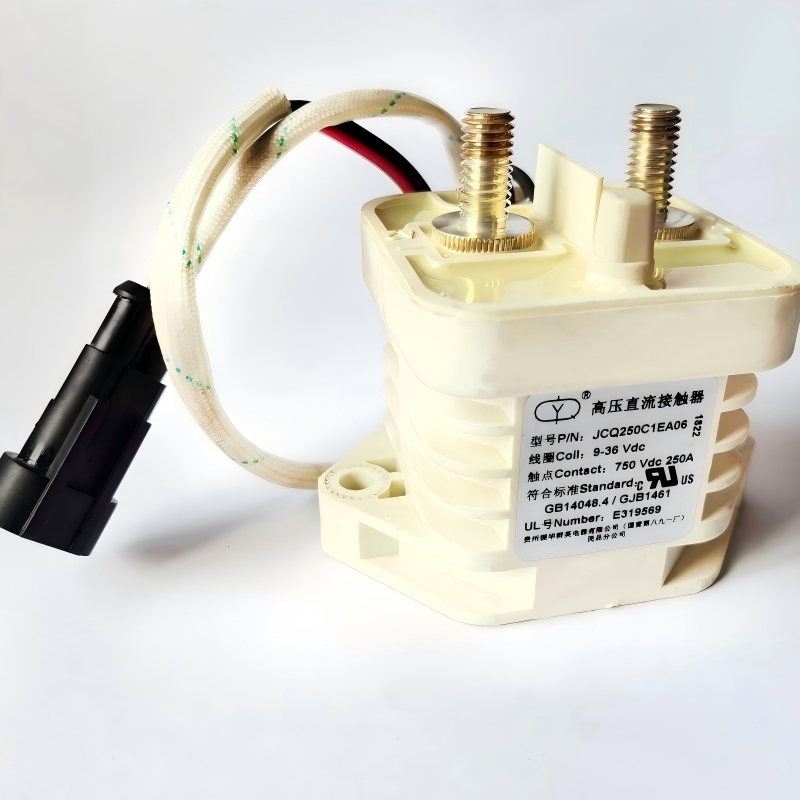
- Complete DO-160 compliance testing equipment
- Advanced thermal cycling chambers (-70°C to +180°C)
- Three-axis vibration and shock testing systems
- EMI/EMC testing chambers meeting MIL-STD-461 requirements
- Precision measurement equipment with NIST-traceable calibration
Expert Validation Engineering Team
Our validation team includes engineers with an average of 15 years experience in aerospace testing and certification. Recent achievements include:
- Development of proprietary validation protocols for next-generation Military Aviation Relay systems
- Innovation in accelerated life testing methodologies for Aircraft Contractor components
- Implementation of automated validation systems that reduce testing time by 40% while improving data accuracy
Industry Trends in Validation Methodologies
Increased Focus on Cybersecurity Validation
With the growing connectivity of aviation systems, validation now includes cybersecurity testing for networked components, ensuring they're protected against potential digital threats.
Sustainability in Validation Processes
The industry is moving toward more energy-efficient validation methods and reduced material waste during testing, aligning with broader environmental goals.
Best Practices for Maintaining Validated Performance
- Regular Re-validation: Schedule periodic re-validation of critical components to account for aging and wear
- Proper Storage Conditions: Maintain validated components in controlled environments to preserve performance characteristics
- Documentation Management: Keep complete validation records accessible throughout the component lifecycle
- Supplier Quality Audits: Regularly audit component suppliers to ensure continued adherence to validation requirements
Frequently Asked Questions (FAQ)
Q1: How often should aviation electronics be re-validated?
A: Re-validation frequency depends on component criticality and application. Safety-critical components typically require re-validation every 2-3 years, while less critical items may follow a 5-year cycle. Changes in manufacturing processes or materials always trigger immediate re-validation.
Q2: What's the difference between qualification testing and performance validation?
A: Qualification testing verifies that a component meets design specifications under controlled conditions. Performance validation confirms that the component performs reliably in its intended operational environment, often involving more extensive and realistic testing scenarios.
Q3: How does validation for military components differ from commercial aviation?
A: Military component validation typically follows stricter standards (MIL-STD vs. DO-160), includes additional environmental extremes, and often requires validation for combat-specific conditions like electromagnetic pulse (EMP) resistance and battlefield durability.
Q4: What role does test equipment play in validation accuracy?
A: Validation equipment must have precision and accuracy exceeding the requirements being validated. Regular calibration and maintenance of test equipment are essential for reliable validation results.
References and Industry Sources
- RTCA, Inc. (2010). DO-160G, Environmental Conditions and Test Procedures for Airborne Equipment. Washington, DC.
- Department of Defense. (2019). MIL-STD-810H, Environmental Engineering Considerations and Laboratory Tests.
- International Aerospace Quality Group. (2016). AS9100D Quality Management Systems - Requirements for Aviation, Space and Defense Organizations.
- Smith, J. (2022). "Advances in Aviation Electronics Validation Methodologies." Journal of Aerospace Engineering, 45(3), 234-245.
- European Union Aviation Safety Agency. (2023). Certification Specifications for Airborne Electronic Hardware.
- Aviation Week & Space Technology. (2023, March 15). "The Future of Aviation Validation: Digital Twins and AI."
- Wikipedia contributors. (2023). "Environmental testing for aerospace." Wikipedia, The Free Encyclopedia.
- Aerospace Testing International. (2022). "Global Aerospace Testing and Validation Market Report 2022-2027."