
Aviation Valve Maintenance Best Practices: A Strategic Guide for Maximizing Reliability and Reducing TCO
For procurement managers and maintenance supervisors in the aerospace supply chain, effective valve maintenance is not merely a cost center—it's a strategic imperative that directly impacts operational safety, fleet availability, and total cost of ownership (TCO). This comprehensive guide outlines proven best practices for maintaining Aviation Valves, from routine aircraft aviation valves & regulator checks to overhaul procedures for critical military aviation valves. We'll explore how adopting a disciplined maintenance approach, supported by quality components from manufacturers like YM, can significantly extend service life and enhance system reliability across commercial, military, and aviation valves & regulator for drone applications.
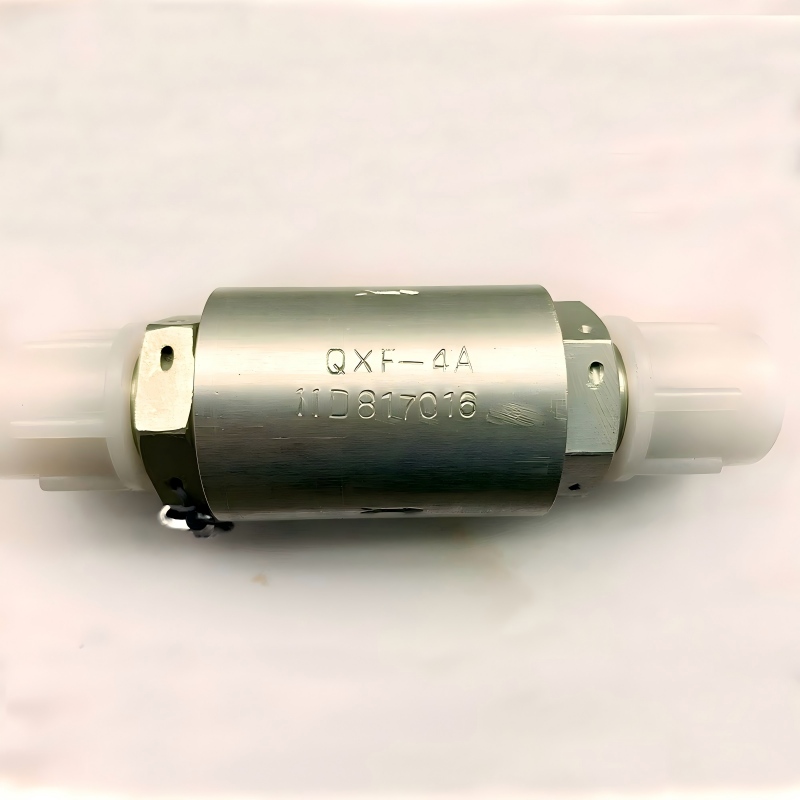
The Foundation: A Proactive Maintenance Philosophy
Reactive, "fix-on-fail" approaches are costly and risky in aviation. A proactive, condition-based maintenance (CBM) strategy, grounded in the manufacturer's recommendations and industry standards, is essential. This philosophy prioritizes prevention, prediction, and precision.
Core Principles of Proactive Valve Maintenance
- Schedule-Driven by Data: Base inspection and overhaul intervals on actual operating hours, cycles, or environmental exposure, not just calendar time, leveraging data from aircraft health monitoring systems.
- Contamination Control as Priority #1: Recognize that fluid contamination is the leading cause of high quality aviation engine and hydraulic valve failure. Maintenance procedures must prioritize system cleanliness.
- Documentation and Traceability: Every action, from a visual inspection to a full overhaul, must be meticulously documented. This creates a life-cycle history crucial for troubleshooting, recertification, and regulatory compliance.
- Use of Genuine Parts and Kits: Always use manufacturer-approved seal kits, springs, and components. Substandard parts can compromise performance and safety, invalidating certifications.
Structured Maintenance Workflow: From Inspection to Overhaul
Phase 1: Routine Operational Checks & Monitoring
Conducted during regular aircraft or system walk-arounds and post-flight checks.
- Visual Inspection: Look for external leaks, corrosion, physical damage, and security of mounting hardware.
- Operational Check: For manual valves, ensure smooth, full-range operation. For solenoid valves, listen for a crisp actuation sound and verify the intended system response (e.g., pressure change).
- System Parameter Monitoring: Monitor for unusual system behaviors that may indicate a valve issue, such as slow actuator response, unexplained pressure drops, or excessive system temperature (indicative of internal leakage).

Phase 2: Scheduled Removal and Bench Testing
Triggered by flight hours, cycles, or condition monitoring alerts. This is where predictive maintenance takes form.
- Safe Removal and Tagging: Follow proper lock-out/tag-out and depressure procedures. Tag the valve with its serial number and removal reason.
- Performance Testing: Test on a calibrated bench to measure key parameters: Crack/Reseal pressure for relief valves, internal leakage (bypass) flow, response time for solenoid valves, and full functional operation.
- Comparison to Baseline: Compare test results to the valve's original performance specifications or its last test data. Degradation trends are more informative than a pass/fail against a wide tolerance.
Phase 3: Disassembly, Cleaning, and Inspection
A meticulous process that determines the valve's fate: repair, overhaul, or scrap.
- Documented Disassembly: Follow the OEM's overhaul manual. Photograph stages if needed for complex assemblies.
- Ultrasonic Cleaning: Clean all components in an approved solvent using ultrasonic cleaners to remove all contaminants from internal galleries.
- Detailed Dimensional and Visual Inspection: Inspect for wear, scoring, pitting, corrosion, and fatigue cracks. Use micrometers, bore gauges, and optical comparators to measure critical wear surfaces (e.g., spool/sleeve clearance, seat contact surfaces).
Phase 4: Repair, Overhaul, and Reassembly
Critical Rule: Replace all dynamic seals, O-rings, and gaskets with new, certified parts from a genuine OEM repair kit.
- Component Replacement: Replace any part outside of serviceable limits (e.g., worn spools, scored sleeves, fatigued springs).
- Precision Reassembly: Assemble in a clean environment (clean bench or booth). Use proper lubricants (if specified) and torque all fasteners to specification.
- Final Testing and Certification: The overhauled valve must pass all performance tests to original specifications. A new calibration certificate and overhaul tag must be issued, restoring the valve's "zero-time" service status.

Industry Trends: Technology Shaping Maintenance
New Technology R&D: Smart Valves and Digital Twins
The integration of micro-sensors into valve designs is revolutionizing maintenance. Valves that can report their own health data—cycle count, internal temperature, partial stroke detection—enable true predictive maintenance. This data feeds into a "Digital Twin" of the valve, allowing for virtual modeling of wear and precise remaining useful life (RUL) predictions.
Industry Trend Analysis: Shift to Condition-Based Maintenance (CBM+)
The industry is moving decisively away from fixed intervals toward CBM+. This is driven by the economic and operational necessity to maximize component life without compromising safety. For procurement, this means evaluating valves not just on initial cost, but on their "maintainability" – the ease with which they can be monitored, tested, and overhauled. Valves designed for maintenance, like those from YM with serviceable modules and clear inspection points, offer lower long-term TCO.
Procurement and Maintenance: The Russian Market Perspective
For Russian procurement managers, maintenance considerations are deeply integrated into the sourcing decision. Their key concerns include:
- Complete Overhaul Documentation and Kits: Availability of detailed, translated overhaul manuals (IPC, CMM) and the guaranteed, long-term supply of certified repair kits and spare parts that match the exact configuration of delivered valves, even years later.
- Localized Overhaul and Calibration Support: Preference for suppliers who authorize and support local service centers within the CIS, equipped with the proper tooling, test stands, and traceable calibration equipment to perform repairs to the original standard.
- Cold Climate Maintenance Protocols: Specific maintenance procedures and recommendations for valves operating in extreme cold, including information on seal compatibility at low temperatures and any special lubrication requirements.
- Lifecycle Cost Transparency with Maintenance Data: Suppliers must provide realistic data on Mean Time Between Overhaul (MTBO), expected life in cycles, and the typical cost of an overhaul event. This allows for accurate TCO modeling.
- Regulatory Acceptance of Overhauled Parts: Clear understanding that overhaul by an authorized facility, using genuine parts, will result in a component that is fully accepted by Russian aviation regulators (Rosaviatsiya) for reinstallation.

Industry Standards and Compliance: The Regulatory Framework
Maintenance doesn't occur in a vacuum; it's governed by a strict framework:
AC 43.13-1B & 2B (FAA) / EASA Part 145: Acceptable methods, techniques, and practices for aircraft inspection and repair.
SAE AS 4059: Aerospace Fluid Power - Cleanliness Classification. Dictates the cleanliness level required during assembly and overhaul.
ISO 9001 / AS9100: The Quality Management Systems that govern the processes of both the valve manufacturer and the approved repair station.
Manufacturer's CMM (Component Maintenance Manual): The ultimate authority for the overhaul of a specific valve part number. Following it is mandatory for certified work.
YM's Role: Designing for Maintainability and Supporting Lifecycle
Factory Infrastructure Supporting MRO
Our commitment to quality extends beyond initial production. Our 70,000 sq. meter manufacturing and support campus includes a dedicated MRO (Maintenance, Repair, and Overhaul) center. Equipped with duplicate production test stands and staffed by factory-trained technicians, this center ensures that every YM valve, whether a complex military aviation valves & regulator or a compact valve for a Train, Plane simulator, can be overhauled to its original performance standard, protecting your investment for decades.

R&D Focused on Service Life and Diagnostics
Our R&D philosophy includes "Design for Supportability." A key innovation is our standardized, modular sealing cartridge system used across many of our aviation valves & regulator for drone and commercial aircraft lines. This allows for rapid seal replacement in the field without full disassembly, drastically reducing maintenance downtime. We also publish advanced diagnostic flowcharts and interactive troubleshooting guides to help maintenance teams quickly isolate issues.
Frequently Asked Questions (FAQ)
Q1: What is the single most important thing we can do to extend the life of our aviation valves?
A: Maintain impeccable fluid cleanliness. Over 70% of premature valve failures are attributed to particulate or water contamination. Invest in and religiously maintain high-quality filtration systems, and enforce strict fluid handling procedures. This is as critical for a high quality aviation engine control valve as it is for a simple utility valve.
Q2: Can we perform valve overhauls in-house, or must they go back to the OEM or an authorized shop?
A: You can perform in-house overhauls if and only if your facility holds the appropriate regulatory approval (e.g., an FAA/EASA/National Authority Repair Station certificate with a relevant rating), has the OEM's CMM, uses genuine parts, and has the calibrated test equipment to verify final performance. For most operators, outsourcing to an OEM-authorized facility is more cost-effective and ensures compliance.
Q3: How do we interpret "internal leakage" test results? Is any leakage acceptable?
A: Minimal internal leakage is often normal and specified. The key is to compare the measured leakage to the maximum allowable limit in the valve's performance specification. A sudden increase in leakage rate between tests is a more significant warning sign than a steady value that's within tolerance. It indicates wear that may require imminent attention.
References and Further Reading
1. Federal Aviation Administration (FAA). (2011). AC 43.13-1B & 2B: Acceptable Methods, Techniques, and Practices – Aircraft Inspection and Repair. Oklahoma City, OK: FAA.
2. SAE International. (2014). AS4059F: Aerospace Fluid Power - Cleanliness Classification for Hydraulic Fluids. Warrendale, PA: SAE International.
3. European Union Aviation Safety Agency (EASA). (2021). Part 145: Maintenance Organisation Approvals. Cologne, Germany: EASA.
4. Aviation Maintenance Magazine Online Forum. (2023, August). Thread: "Real-World Data: Comparing TCO of Valves from Different Suppliers Over a 10-Year Fleet Life."
5. Smith, R. J., & Corley, J. P. (2019). Aircraft Hydraulic Systems Maintenance Handbook (3rd ed.). Aviation Supplies & Academics, Inc.


