Ground Radar Systems Component Selection: Building Reliability into Critical Surveillance Infrastructure
Ground-based radar systems are fundamental to modern air defense, air traffic control, and perimeter security. For procurement managers, selecting components for these systems—from high-power transmitters to sensitive signal processors—requires balancing extreme performance demands with long-term field reliability. This guide examines the critical considerations for specifying components in ground radar systems, emphasizing how aviation-grade reliability in parts like Military Aviation Relays, Aviation Sensors, and power distribution modules contributes to mission availability in harsh, unattended environments.
The Unique Operating Environment of Ground Radar Systems
Ground radar components must endure conditions often more punishing than airborne systems: continuous 24/7 operation, wide ambient temperature swings, exposure to sand, dust, rain, and salt spray, and the intense vibration of high-speed rotating antennas. Component failure in a remote radar site can create a critical gap in surveillance coverage. The reliability principles behind a High Quality Aviation Engine monitoring system are directly applicable to ensuring the uptime of a radar's cooling and power systems.
Key Selection Drivers for Procurement:
- Environmental Hardening: Components must exceed standard industrial ratings to survive direct weather exposure and wide thermal cycles (MIL-STD-810).
- Power Integrity & Quality: High-power transmitters and sensitive receivers demand clean, stable power. Voltage spikes or noise can degrade performance or cause damage.
- Thermal Management: High heat loads from transmitters and processors require reliable cooling system components and temperature monitoring.
- Maintainability & Long Lifecycle: Components should be selected for easy field replacement and supported by the manufacturer for the system's decades-long service life.
Critical Component Categories for Ground Radar Systems
Focus on these subsystems that are vital to radar operation and often overlooked in initial design.
1. Power Distribution & High-Current Switching
The radar's "power grid" must be robust and fault-tolerant.
- Main Power Contactors: Military Aviation Contactors are ideal for switching high-current AC/DC power to transmitter modules, cooling fans, and antenna motors. Their sealed construction resists corrosive atmospheres.
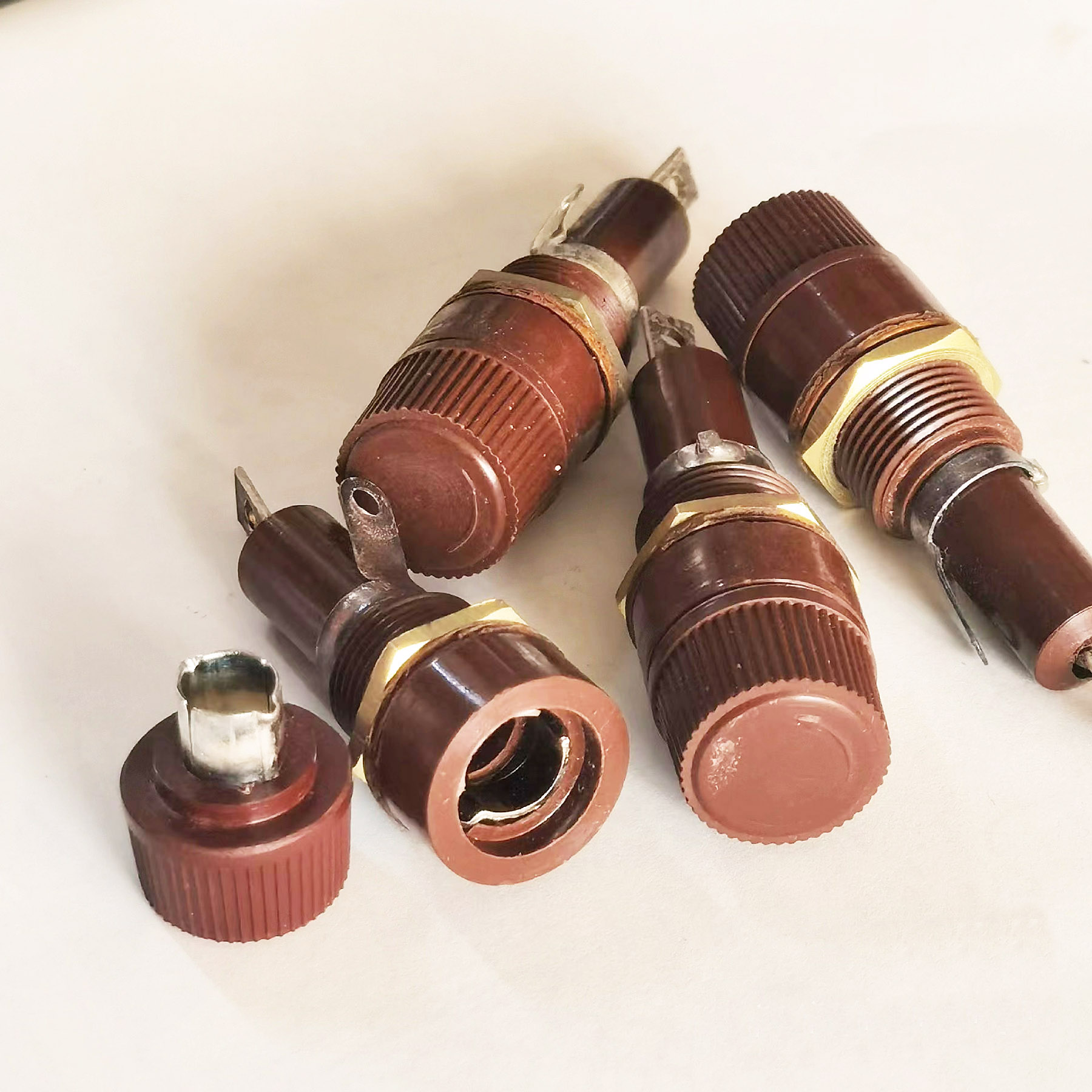
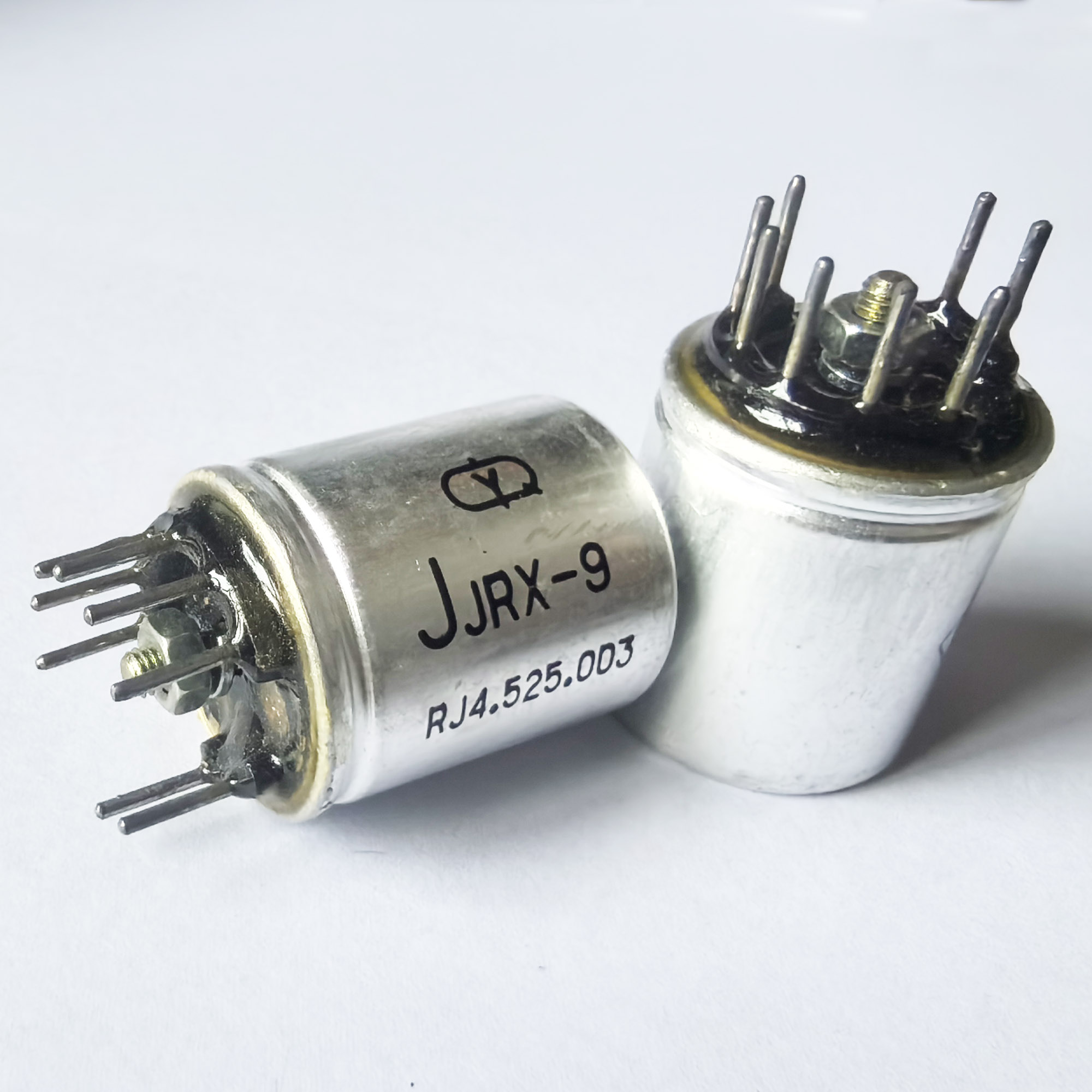
- Protective Relays & Circuit Breakers: Military Aviation Relays provide control and protection functions. High-performance Aviation Fuses and circuit breakers protect expensive transmitter tubes and solid-state amplifiers from overloads.
- Uninterruptible Power Supply (UPS) Components: Within the UPS, reliable contactors and sensors ensure seamless transition to backup power during grid outages.
2. Thermal Management & Environmental Control
Overheating is a primary cause of radar downtime.
- Cooling System Sensors: Aviation Sensors for coolant temperature, flow, and pressure are critical for monitoring liquid cooling loops for high-power transmitters.
- Fan & Pump Control: Ruggedized relays control high-power cooling fans and pumps. Their cycle life must match the continuous duty of the radar.
- Cabinet Environmental Monitoring: Temperature and humidity sensors inside equipment shelters trigger climate control systems to prevent condensation and component stress.
3. Antenna Drive & Positioning Systems
Precision movement is key to accurate coverage.
- Motor Control & Feedback: Components within the servo drives that position large antennas require high reliability. Vibration sensors can provide early warning of mechanical wear in gears or bearings.
- Slip Ring Power Transfer: For continuously rotating antennas, the components within or surrounding slip rings that transfer power and data must handle constant rotation without failure.
4. System Health & Diagnostic Instrumentation
Proactive maintenance prevents failures.
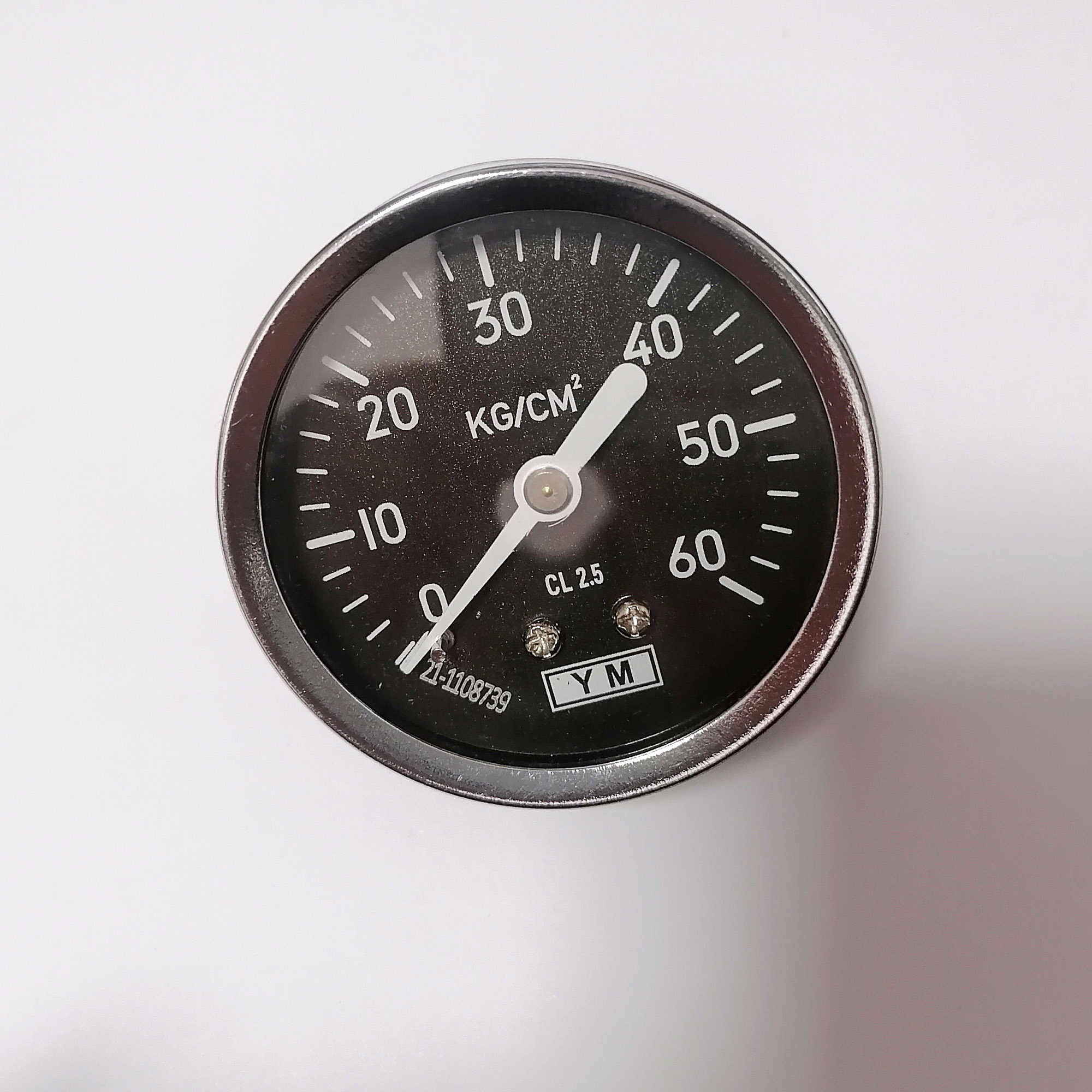
- Integrated Metering: Aviation Meters or panel instruments provide local readouts of key parameters like transmitter anode current, reflector voltage, and primary power input, aiding rapid troubleshooting.
- Vibration Analysis Sensors: On the antenna pedestal and major rotating assemblies, these sensors can detect imbalance or bearing wear before catastrophic failure.
Industry Evolution and Regional Procurement Specifics
New Technology R&D and Application Dynamics
The shift is towards Active Electronically Scanned Array (AESA) radars and software-defined systems, which change component needs:
- Distributed Power for AESA: Replacing a single high-power transmitter with thousands of small Transmit/Receive (T/R) modules demands highly reliable, distributed DC power delivery and thermal management at the module level.
- Increased Digital Processing: Higher data throughput requires more robust computing infrastructure with reliable power supplies and cooling.
- Multi-Function & Cognitive Radar: Systems that dynamically change modes increase the duty cycle and thermal stress on components, requiring even higher reliability margins.
Insight: Top 5 Component Concerns for Russian & CIS Ground Radar Procurement
Procurement for the Russian and CIS market is governed by specific operational doctrines and environmental challenges:
- Arctic & Continental Climate Certification (КЛИМАТ): Components must be certified for specific harsh climatic versions (e.g., "У" for temperate, "ХЛ" for cold, "Т" for tropical) as per ГОСТ 15150, requiring validation for operation and storage from -60°C to +60°C.
- EMI/EMP Hardening to GOST Standards: Components must demonstrate exceptional resilience to intentional jamming and Electromagnetic Pulse (EMP) as per stringent Russian standards (ГОСТ Р 51317-99 series), which often exceed typical MIL-STD-461 requirements.
- Integration with Domestic Command & Control (C2) Systems: Power, control, and diagnostic signals must interface seamlessly with Russian radar C2 hardware and software, often requiring custom protocol adaptation.
- Ruggedization for Transport & Deployment on Unprepared Terrain: Components must withstand the extreme shock and vibration of transport on rough roads and rapid deployment, not just stationary operation.
- Long-Term Support with Guaranteed Obsolescence Management: Given the 30+ year lifecycle of major radar systems, suppliers must commit to long-term manufacturing, spare parts availability, and form-fit-function replacement strategies, often backed by state-level agreements.
A Step-by-Step Framework for Selecting Ground Radar Components
A systematic approach to de-risk the procurement process:
- Define the Operational Profile & Deployment Concept:
- Fixed site, mobile, or transportable? This dictates shock/vibration levels and environmental exposure.
- What is the required system availability (e.g., 99.9%)? This drives reliability requirements for each component.
- Perform a Detailed Environmental Analysis:
- Map the specific site conditions: max/min temperatures, humidity, wind-borne sand/dust, salt fog, and solar radiation.
- Translate these into component-level specifications (IP rating, operating temperature range, material compatibility).
- Develop a Reliability Block Diagram (RBD) & Critical Items List:
- Identify single-point failures in subsystems like cooling or primary power switching. These components (e.g., a main power contactor) become "critical items" requiring the highest scrutiny and potential redundancy.
- Create a Supplier Qualification Matrix:
- Evaluate suppliers on technical capability (in-house testing), quality systems (AS9100/ISO 9001), military/aviation pedigree, and financial stability for long-term support.
- Require Application-Specific Testing & Data:
- For critical components, demand test reports simulating radar duty cycles (e.g., a relay cycled 100,000 times under inductive load). Request data from HALT (Highly Accelerated Life Testing) to understand failure margins.

YM: Engineering Components for Demanding Ground-Based Missions
YM leverages its aviation heritage to produce components that deliver reliability where maintenance access is difficult and failure is not an option.
Manufacturing Scale and Facilities: Built for Harsh Environments
Our production of components like Sealed Power Contactors and Environmental Relays includes conformal coating and potting processes that protect against moisture, fungus, and corrosive agents. Our dedicated Salt Spray (Salt Fog) Test Chamber and Dust Ingress Test Equipment allow us to qualify products to IP66/IP67 and specific MIL-STD-810 methods, ensuring they meet the harsh realities of coastal or desert radar sites.
R&D and Innovation: Addressing Ground Radar Specific Stresses
Recognizing the issue of contact welding in high-inrush current applications common in radar power supplies, our R&D team developed the “Magneto-Dynamic Arc Disruption (M-DAD)” system for our high-power Aircraft Contactors. This patented system uses a controlled magnetic field to rapidly stretch and cool the arc when contacts open under load, significantly reducing contact erosion and virtually eliminating the risk of weld-on-closure, a common failure mode in high-duty cycle switching.
Core Standards for Ground Radar System Components
Specifications should mandate compliance with these key standards:
- MIL-STD-810: The comprehensive standard for environmental engineering considerations (temperature, humidity, vibration, shock, sand/dust).
- MIL-STD-461: For Electromagnetic Compatibility, ensuring components do not emit interference that degrades sensitive radar receivers and are immune to external EMI.
- IEC 60529 (IP Code): Defines degrees of protection against solid objects (dust) and water. IP65 (dust-tight, water jet protected) is often a minimum for external or shelter components.
- MIL-STD-704: While for aircraft, its principles for power quality are relevant for specifying clean input power requirements for sensitive radar subsystems.
- ETSI EN 300 019 / EUROCAE ED-14: European telecommunications standards for environmental conditions and tests for equipment, widely used in civil ATC radar.
- ГОСТ 15150-69 & ГОСТ Р 54073-2010: Russian standards defining climatic versions and environmental test methods, respectively, mandatory for the region.
Frequently Asked Questions (FAQ)
Q: What is the most common point of failure in ground radar support systems?
A: Electro-mechanical components in cooling and power systems. Fans, pumps, and contactors have moving parts and electrical contacts that wear out over time. A failed cooling fan can lead to thermal shutdown of a transmitter within minutes. A worn Military Aviation Contactor can cause voltage drop or overheating. Proactive, condition-based maintenance of these components, informed by data from Aviation Sensors, is key to preventing unscheduled downtime.
Q: How critical is it to use "aviation-grade" components in a ground-based system?
A: For critical subsystems affecting safety or mission availability, it is highly recommended and often cost-effective. Aviation-grade components are designed with higher reliability margins, better materials, and more rigorous testing (e.g., vibration, thermal cycling) than standard industrial parts. While the initial cost may be higher, the significantly lower failure rate and longer lifespan reduce total cost of ownership (TCO) by minimizing costly field repairs and system outages.