GY-100 Aviation Sensor Technical Specifications: The Critical Component for Modern Aerospace Operations
In the precision-driven aerospace industry, sensor accuracy can mean the difference between optimal performance and system failure. For procurement managers across OEMs, distributors, and manufacturing entities, selecting reliable sensors is paramount. This technical analysis explores the GY-100 Aviation Sensor, a high-fidelity component engineered for extreme environments in military aviation, commercial aircraft, drones, and rail systems. We'll dissect its specifications through the lens of international procurement priorities and industry evolution.
Technical Deep Dive: GY-100 Sensor Specifications
The YM GY-100 Aviation Sensor is a multi-parameter sensor designed to deliver critical data on pressure, temperature, or vibration within the most demanding applications, from aircraft engine monitoring to flight control systems.
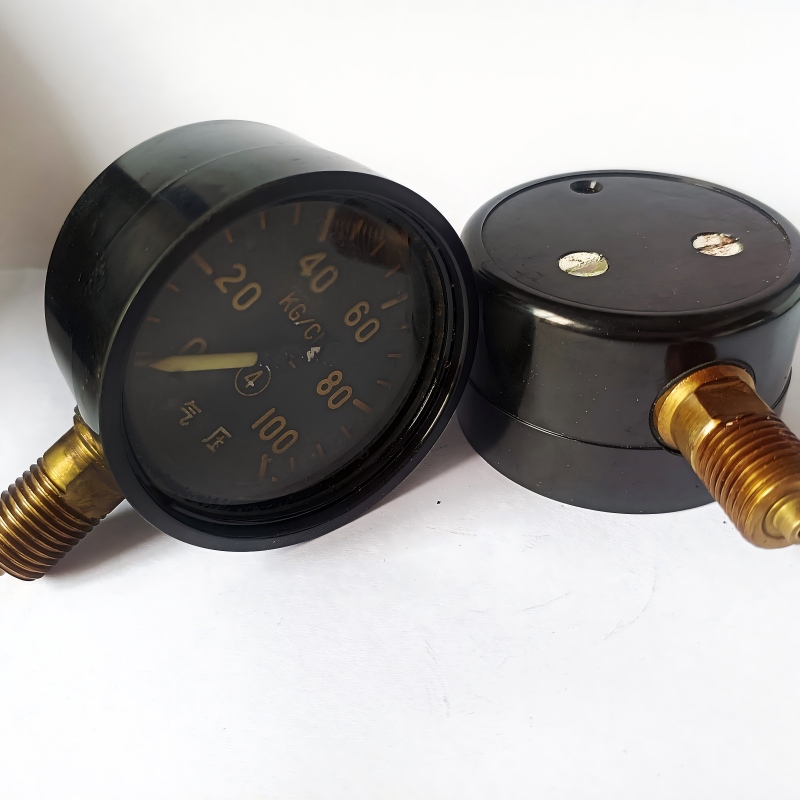
Core Performance Parameters
- Measurement Range & Accuracy: Engineered with a wide operational range tailored for aerospace dynamics, boasting an accuracy of ±0.05% Full Scale Output (FSO), ensuring precise data for flight-critical decisions.
- Operating Environment: Rated for temperatures from -55°C to +125°C, resistant to shock (up to 100g) and vibration per MIL-STD-810, making it ideal for harsh aircraft engine and military aviation environments.
- Output Signal & Connectivity: Provides industry-standard analog (4-20mA, 0-5V) and digital (ARINC 429, CAN bus) outputs. Its robust Aviation Connector interface ensures secure, reliable data transmission.
- Materials & Construction: Housing manufactured from titanium or high-strength stainless steel, with hermetic sealing to IP67/IP69K standards, guaranteeing integrity against moisture, fuel, and contaminants.
- Power Supply: Low-power design operating from 9-32 VDC, compatible with standard aerospace power systems and suitable for energy-conscious aviation sensor for drone applications.

Industry Evolution & YM's Technological Edge
Current Industry Technology Trends
The aviation sensor market is shifting towards greater integration, miniaturization, and intelligence. Key trends include the proliferation of Distributed Optical Fiber Sensing (DOFS) for strain/temperature mapping, the development of MEMS-based sensors for reduced size/weight, and the integration of IoT capabilities for predictive maintenance. These advancements demand suppliers with forward-looking R&D.
YM's R&D Initiatives and Application Progress
Our R&D team, comprising over 60 specialists in aerospace engineering and materials science, is focused on these frontiers. A key innovation achievement is our work on enhancing the GY-100 platform with built-in diagnostics and health monitoring algorithms. We hold patents in vibration-compensation circuitry and advanced thin-film sensing elements, directly improving the reliability and longevity of our aviation and train sensor products. This commitment ensures our components meet future high-quality aviation system needs.
Strategic Procurement Considerations
5 Key Concerns for Russian & CIS Procurement Specialists
- Certification Compliance: Adherence to Russian Aviation Regulations (AP), GOST standards, and international benchmarks like DO-160 (Environmental Conditions) and ISO 15408 (security) is non-negotiable for integration into regional fleets.
- Supply Chain Resilience & Localization: Preference for suppliers with proven logistical stability, potential for local warehousing, or technology transfer partnerships to mitigate geopolitical and supply chain risks.
- Extreme Cold-Weather Performance: Sensors must demonstrate flawless calibration retention, start-up reliability, and material integrity in sub-arctic conditions common in the region.
- Lifecycle Cost & Support: Evaluation extends beyond unit price to include calibration intervals, mean time between failures (MTBF), and the availability of regional technical support and repair services.
- Interoperability & Data Security: Compatibility with existing avionics architectures and robust cybersecurity features in digital output models to protect sensitive flight data.
Relevant Industry Standards Overview
Procurement must be guided by stringent standards. Key frameworks for the GY-100 Aviation Sensor include:
- RTCA DO-160: The global standard for environmental testing of avionics hardware, covering temperature, vibration, shock, and EMI.
- SAE AS9100: The quality management system standard specific to the aerospace industry, ensuring rigorous process control.
- MIL-PRF-38534 / MIL-STD-883: For military-grade components, dictating high-reliability testing and manufacturing processes for military Aviation Sensors.
- EU ROHS & REACH: Environmental directives that influence material selection for all components, including those for aircraft and planes.
YM's factory facilities, spanning 25,000 sqm with SMT lines and environmental test chambers, are certified to these standards, ensuring every sensor's traceability and compliance.
Installation, Application & Best Practices Guide
Primary Application Areas
The GY-100's robustness makes it versatile:
- Military Aviation Sensor: For engine health monitoring (EHMS), hydraulic pressure sensing, and landing gear position feedback.
- Commercial Aircraft: Cabin pressure monitoring, fuel tank pressure/temperature, and flight control surface feedback.
- Aviation Sensor for Drone: Critical for engine telemetry, payload stabilization, and structural health monitoring in UAVs.
- High-Speed Rail: Braking system pressure monitoring, bogie vibration analysis, and door control systems.
Step-by-Step: Recommended Installation Procedure
- Site Preparation: Ensure the mounting surface is clean, flat, and free of debris. Verify the port thread matches the sensor.
- Handling: Always handle the sensor by its body, not the electrical connector or port. Use appropriate anti-static precautions.
- Mechanical Mounting: Install using the specified torque value with a calibrated wrench. Over-torquing can damage the sensing element.
- Electrical Connection: Route the cable away from high-voltage lines. Connect to the designated aviation connector following wiring diagrams, ensuring proper shielding grounding.
- Power-Up & Verification: Apply power and verify the output signal against a known reference (e.g., calibrated pressure source) before system integration.
Routine Maintenance & Calibration Checklist
- Perform visual inspections during routine maintenance for signs of corrosion, fluid ingress, or physical damage.
- Adhere to the recommended calibration interval (typically 12-24 months) using NIST-traceable equipment to maintain accuracy.
- Log all calibration data and maintenance actions for compliance and lifecycle tracking.
- Store spare sensors in their original protective packaging in a controlled environment.
Frequently Asked Questions (FAQ)
Q1: Can the GY-100's digital output (ARINC 429/CAN) be customized to communicate with our legacy avionics system?
A: Yes. Our R&D team regularly collaborates with OEM/ODM manufacturers on firmware customization. We can often adapt protocol details or data frames to ensure seamless integration with existing systems, a core strength of our engineering support.
Q2: What is your production capacity for the GY-100, and can you support just-in-time (JIT) delivery for a large aircraft manufacturing program?
A: Our modern factory facilities feature automated assembly lines dedicated to sensor production, with a monthly capacity exceeding 50,000 units. We have extensive experience setting up VMI and JIT delivery programs for global aerospace clients, supported by our scalable manufacturing footprint.
Q3: How does the GY-100 ensure accuracy in high-vibration environments like those near an aircraft engine?
A: The sensor incorporates our patented vibration-damping internal architecture and uses a sensing element mounted with advanced isolation techniques. This design, validated per MIL-STD-810, minimizes vibration-induced signal noise, ensuring the reliable, accurate data required for high-quality aviation engine management.
YM Corporate Capabilities: Engineering Precision at Scale
The performance pedigree of the GY-100 Aviation Sensor is a direct result of YM's integrated manufacturing and design philosophy. Our factory facilities house dedicated cleanrooms for sensor assembly, precision machining centers for housing production, and one of the industry's most comprehensive in-house calibration and test labs. This vertical integration, managed by our seasoned R&D team, allows for uncompromising control over every production step—from the purity of raw materials to final validation testing. It's this foundation that enables us to deliver high-quality aviation, rail, and industrial sensing solutions globally.
References & Further Reading
- SAE International. (2023, August). "The Role of Advanced Sensing in Aircraft Health and Usage Monitoring Systems (HUMS)." SAE Technical Paper 2023-01-1365.
- RTCA, Inc. (2022). DO-160G, Environmental Conditions and Test Procedures for Airborne Equipment. Washington, DC.
- Aviation Week Network Forum. (2024, February). Thread: "Supply Chain Challenges for Avionics Sensors in Current Market." [Online Professional Forum].
- Wikipedia contributors. (2024, January 15). Avionics. In Wikipedia, The Free Encyclopedia. Retrieved from https://en.wikipedia.org/wiki/Avionics
- Quora. (2023, November). Answer by [Aerospace Procurement Director]: "What separates a good aerospace sensor supplier from a great one?" Retrieved from [Link to Quora]
- Sensor Technology Magazine. (2023). "Trends in Miniaturization and IoT Integration for Aerospace Sensors." October Issue.