
Military Component Supply Chain Case Study: Building Resilient Networks for Critical Aerospace & Defense Applications
The reliability of a modern military platform depends not only on the quality of its individual components but on the resilience and security of the supply chain that delivers them. This case study examines the complex ecosystem supporting critical parts like Military Aviation Relays, Aircraft Contactors, and Aviation Sensors, analyzing the challenges and strategic solutions that ensure continuous availability for Aircraft Engine programs, drone fleets, and legacy system sustainment. For procurement managers, understanding this landscape is crucial to mitigating risk and ensuring program stability across decades-long lifecycles.

Evolving Industry Dynamics: From Just-in-Time to Just-in-Case
The traditional lean, globalized supply chain model is undergoing a fundamental shift. Recent disruptions have highlighted vulnerabilities, driving a strategic move towards regionalization, multi-sourcing, and increased inventory buffers for critical components. This is especially true for long-lead-time items like specialized Aviation Fuses and custom Military Aviation Contactors, where a single point of failure can halt production lines for platforms ranging from next-generation Planes to armored vehicles.
New Technology's Impact on Supply Chain Resilience
Technology is a key enabler of supply chain transparency and agility. The implementation of Digital Thread and Blockchain for component traceability—from raw material to installed part—is becoming a defense contract requirement. Additionally, additive manufacturing (3D printing) is being strategically used for low-volume, high-complexity parts or to bridge urgent gaps in the supply of obsolete components for legacy Train and aircraft systems, though not yet for flight-critical hardware.
Procurement Priorities: 5 Key Concerns from Russian & CIS Defense Industrial Buyers
Supply chain security is paramount for Russian and CIS procurement entities. Their evaluation extends beyond the component itself to the entire supply ecosystem:
- Geopolitical Immunity & Origin Assurance: Preference for suppliers and sub-tier manufacturing located in politically stable regions or allied nations, with full transparency on country of origin for all materials used in High quality Aviation Engine components.
- End-to-End Traceability & Anti-Counterfeit Measures: Robust systems to guarantee authenticity. This includes serialized parts, secure databases, and material certification that follows the component, crucial for Military Aviation Relays and safety-critical items.
- Long-Term Agreement (LTA) Stability & Obsolescence Management: Contractual guarantees for production capacity and support over 20-30 year platform lifecycles, with clear, funded obsolescence management plans to address part discontinuations.
- Dual-Use & Export Control Compliance: Suppliers must have impeccable compliance with International Traffic in Arms Regulations (ITAR), Export Administration Regulations (EAR), and local regulations to avoid legal risks that can sever supply lines.
- Vertical Integration & In-House Critical Processes: Value is placed on suppliers who control key manufacturing stages (e.g., hermetic sealing, precision machining) in-house, reducing dependency on fragile sub-tier networks for Aircraft Contractors and sensors.
YM's Strategic Supply Chain Architecture
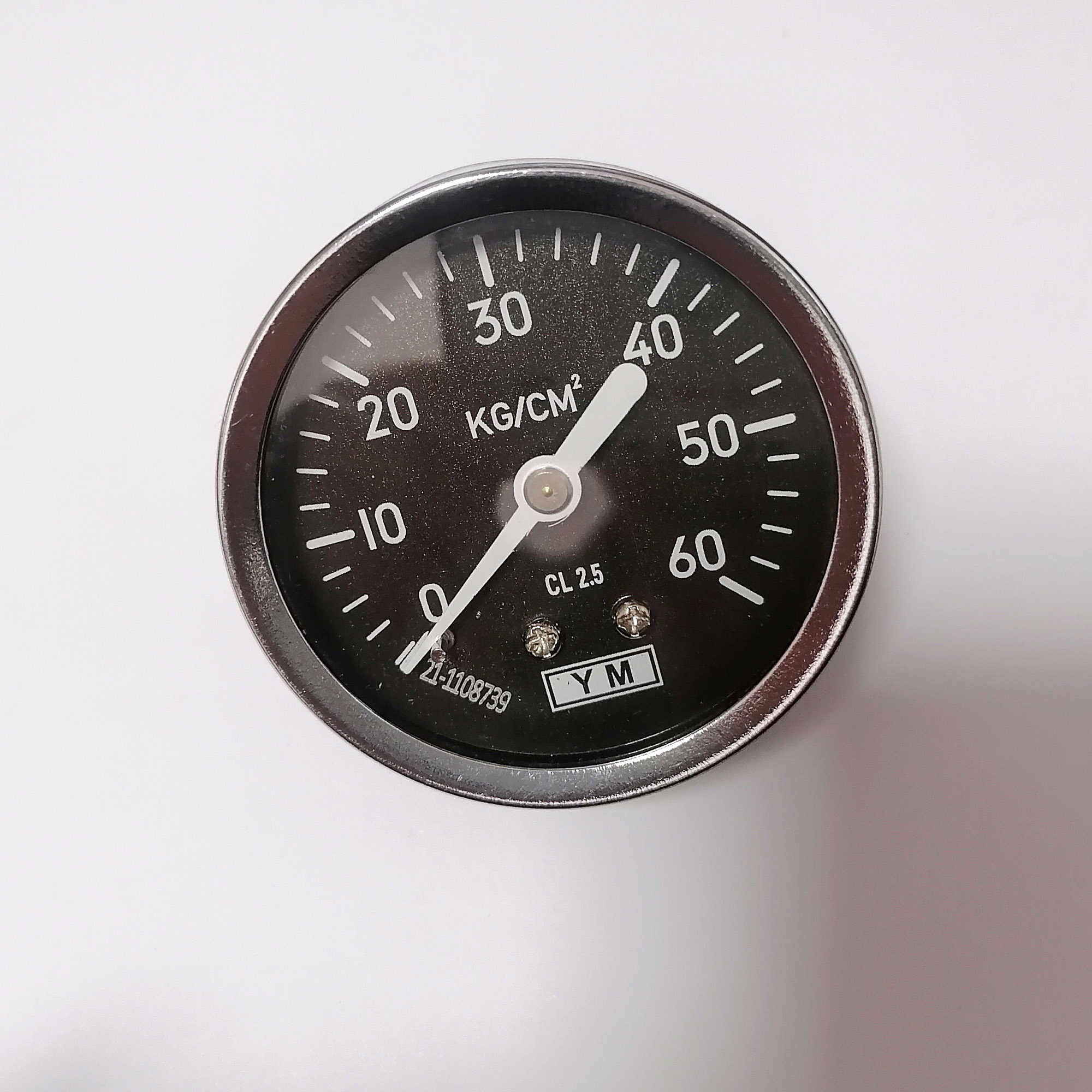
Recognizing these imperatives, we have built a supply chain model designed for resilience. Our factory scale and facilities are a cornerstone of this strategy. With over 50,000 sq. meters of integrated manufacturing space, we internalize critical processes such as precision stamping for contactors, coil winding for relays, and the assembly and calibration of Aviation Meters for Drones. This vertical integration reduces external dependencies and tightens quality control.
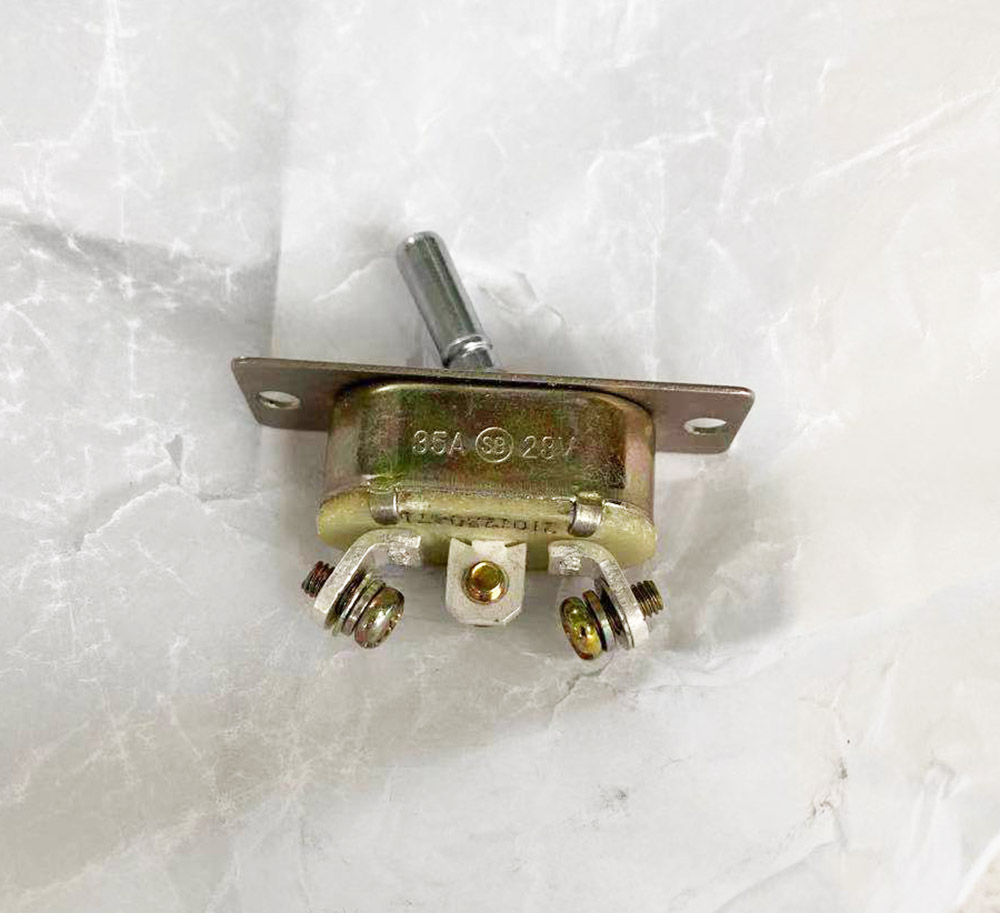
This is supported by a proactive R&D team and innovation成果 focused on design for availability. Our engineers work to standardize materials and sub-components across product lines (e.g., using common contact alloys in both Aviation Fuses and relays) and develop alternative sourcing pathways for critical raw materials, ensuring production continuity even during market shortages.
Best Practices for Buyers: Managing Your Military Component Supply Chain
Procurement teams can take proactive steps to de-risk their supply chain. Follow this strategic checklist:
- Risk Assessment & Mapping:
- Identify all single-source and sole-source components in your bill of materials (BOM), especially for Aircraft Engine controls.
- Map the full sub-tier supply chain for critical items like Military Aviation Contactors to identify hidden vulnerabilities.
- Supplier Qualification & Relationship Building:
- Qualify suppliers not just on cost and quality, but on their financial health, supply chain transparency, and business continuity plans.
- Move beyond transactional relationships to strategic partnerships with key suppliers, involving them early in new program development.
- Demand Forecasting & Inventory Strategy: Share realistic long-term forecasts with suppliers to enable their capacity planning. Strategically hold buffer stock for long-lead items or consider vendor-managed inventory (VMI) programs.
- Documentation & Change Management: Ensure all component certifications and drawings are securely stored and that suppliers have strict processes for notifying and managing any product or process changes.

Industry Standards & Regulations: The Compliance Framework
Key Standards Governing Military Supply Chains
Navigating this sector requires adherence to a complex web of standards:
- AS9120: The aerospace and defense standard for quality management systems at distributors, focusing on part verification, traceability, and counterfeit part prevention.
- DFARS Clause 252.246-7008: U.S. defense clause requiring contractors to detect and avoid counterfeit electronic parts and suspect counterfeit parts.
- ASA-100: Aerospace Quality Management System requirements, essential for any supplier to the industry.
- ITAR (22 CFR §120-130) & EAR (15 CFR §730-774): The foundational U.S. export control regulations. Compliance is not optional and affects information sharing, shipping, and even visitor access to facilities manufacturing controlled components like certain Military Aviation Relays.
- MIL-STD-883 & MIL-PRF-38534: Standards for microelectronics, but their ethos of rigorous testing and controlled manufacturing flows up to higher-level assemblies.
Industry Trend Analysis: Reshoring, Digital Twins, and Ethical Sourcing
Three macro-trends are reshaping the future: Strategic Reshoring/Nearshoring of critical component manufacturing for national security reasons; the use of Digital Twins to simulate and stress-test supply chain networks against various disruption scenarios before they occur; and the growing importance of Ethical & Conflict-Free Sourcing. Regulations like the U.S. Dodd-Frank Act and EU directives are forcing transparency on minerals (e.g., tantalum, tin, tungsten, gold) used in electronics, impacting the sourcing for Aviation Sensors and circuit boards across the industry.
Frequently Asked Questions (FAQ) for Defense Procurement & Supply Chain Managers
Q1: What is the biggest supply chain risk for legacy platform sustainment?
A: Component Obsolescence is the primary challenge. When original manufacturers discontinue parts like a specific Aviation Fuse or relay, it can trigger costly redesigns. Partnering with a supplier that offers obsolescence management services—including lifetime buys, authorized aftermanufacturing, or form-fit-function replacements—is critical.
Q2: How can we verify a supplier's claims about vertical integration?
A: Request a manufacturing process flow diagram and insist on an on-site audit. Look for evidence of key capital-intensive processes on-site, such as ceramic-to-metal sealing furnaces for hermetic packages or automated test equipment for Aviation Meters. Audits of our facilities regularly confirm our in-house capabilities.
Q3: What are "controlled" drawings and why are they important?
A: A controlled drawing is a master document with strict revision control. Any change requires formal engineering change processes and customer notification. This prevents unauthorized modifications that could affect form, fit, function, or performance of a part like an Aircraft Contractor, ensuring consistency and safety over decades of production.
Q4: How do you ensure supply chain continuity for raw materials like specialty alloys?
A: We employ a multi-pronged strategy: 1) Long-term contracts with primary mills, 2) Qualification of secondary material sources, 3) Maintenance of strategic raw material inventory for critical alloys, and 4) Ongoing R&D into acceptable alternative materials that meet or exceed the required specifications for High quality Aviation Engine components.
References & Strategic Sources
- U.S. Department of Defense. (2018). Diagnosing the Defense Industrial Base: Assessing the Risks of Single Points of Failure and Foreign Dependencies. Defense Science Board.
- Sheffi, Y. (2015). The Power of Resilience: How the Best Companies Manage the Unexpected. MIT Press. (General supply chain principles).
- Supply Chain Dive. (2023, September 12). "Aerospace turns to 'friendshoring' amid geopolitical tensions." [Industry News]. Retrieved from: www.supplychaindive.com
- SAE International. (2020). AS6496, Fraudulent/Counterfeit Electronic Parts: Avoidance, Detection, Mitigation, and Disposition.
- Wikipedia contributors. (2024, March 15). "ITAR." In Wikipedia, The Free Encyclopedia. Retrieved from: https://en.wikipedia.org/wiki/International_Traffic_in_Arms_Regulations
- Defense News Forum. (2024, January). Thread: "Lead Time Realities for MIL-SPEC Connectors and Relays in 2024." [Online Discussion]. Retrieved from professional defense procurement forums.


