
Aviation Electronics Maintenance Case Study: Optimizing Reliability and Readiness Through Strategic Component Management
Effective maintenance of aviation electronics is the cornerstone of fleet availability, operational safety, and lifecycle cost management. This comprehensive case study examines maintenance strategies for critical components like Military Aviation Relays, Aircraft Contactors, and Aviation Sensors, providing actionable insights for procurement and maintenance managers responsible for sustaining Aircraft Engine systems, UAV fleets, and legacy platforms. Understanding maintenance best practices directly impacts mission readiness and total cost of ownership for defense and commercial operators.
Latest Industry Dynamics: The Shift from Reactive to Predictive Maintenance
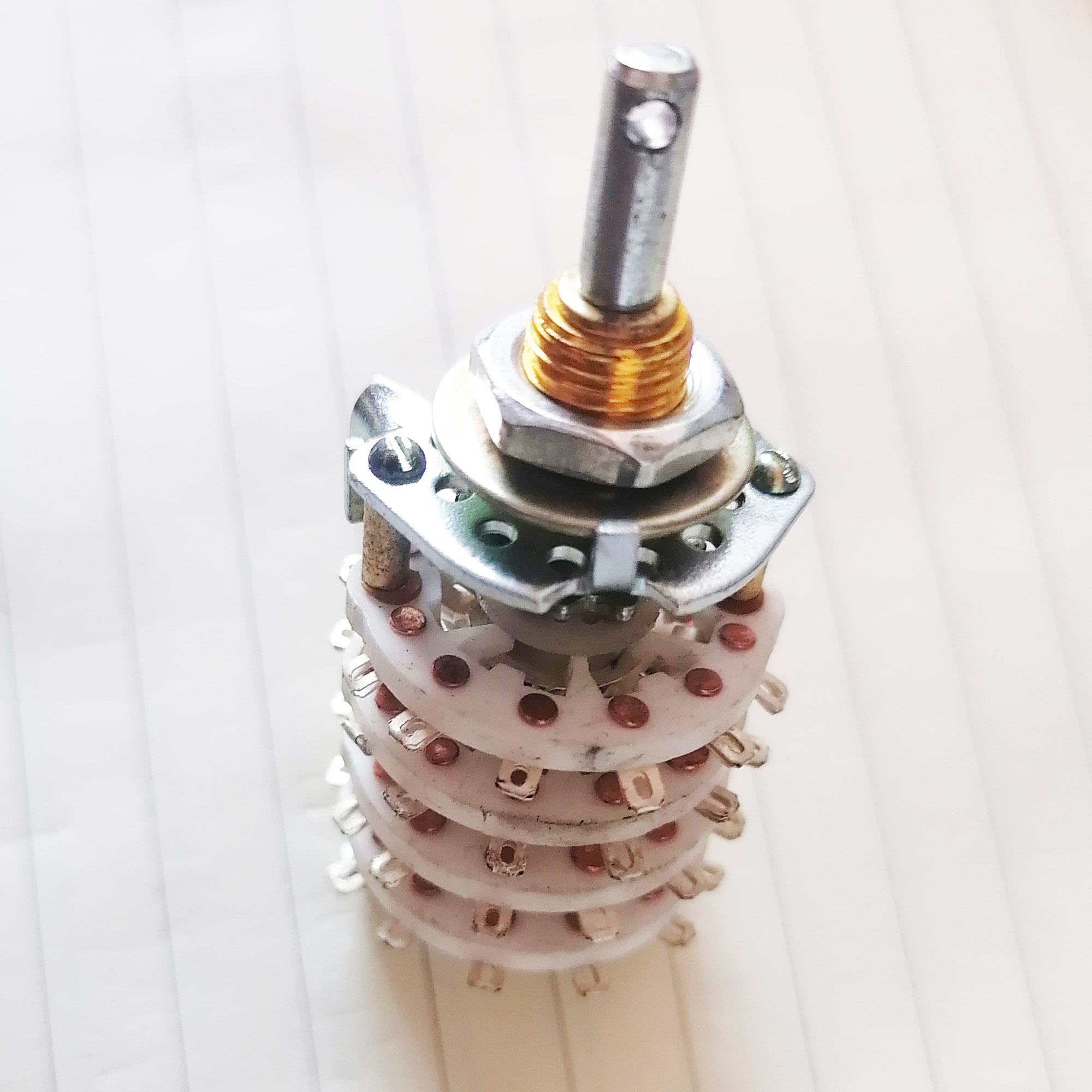
The industry is undergoing a paradigm shift from schedule-based and reactive maintenance to Predictive and Prognostic Health Management (PHM). Enabled by smart components with embedded sensors and data analytics, this approach uses real-time performance data to predict failures before they occur. This is particularly valuable for monitoring the health of Aviation Fuses and Military Aviation Contactors, allowing for just-in-time replacement and minimizing unscheduled downtime for critical Plane and rotorcraft assets.
New Technology R&D and Application in Maintenance
Key technological advancements are revolutionizing maintenance workflows. The integration of QR codes and RFID tags on components like Aviation Meters for Drones enables instant access to full service history, calibration data, and installation manuals via digital tablets. Furthermore, augmented reality (AR) applications are being deployed to guide technicians through complex troubleshooting procedures for High quality Aviation Engine control units, reducing human error and training time.
Procurement Priorities: 5 Key Concerns from Russian & CIS MRO Buyers
Maintenance, Repair, and Overhaul (MRO) procurement in Russia and the CIS region is driven by specific operational and logistical imperatives:
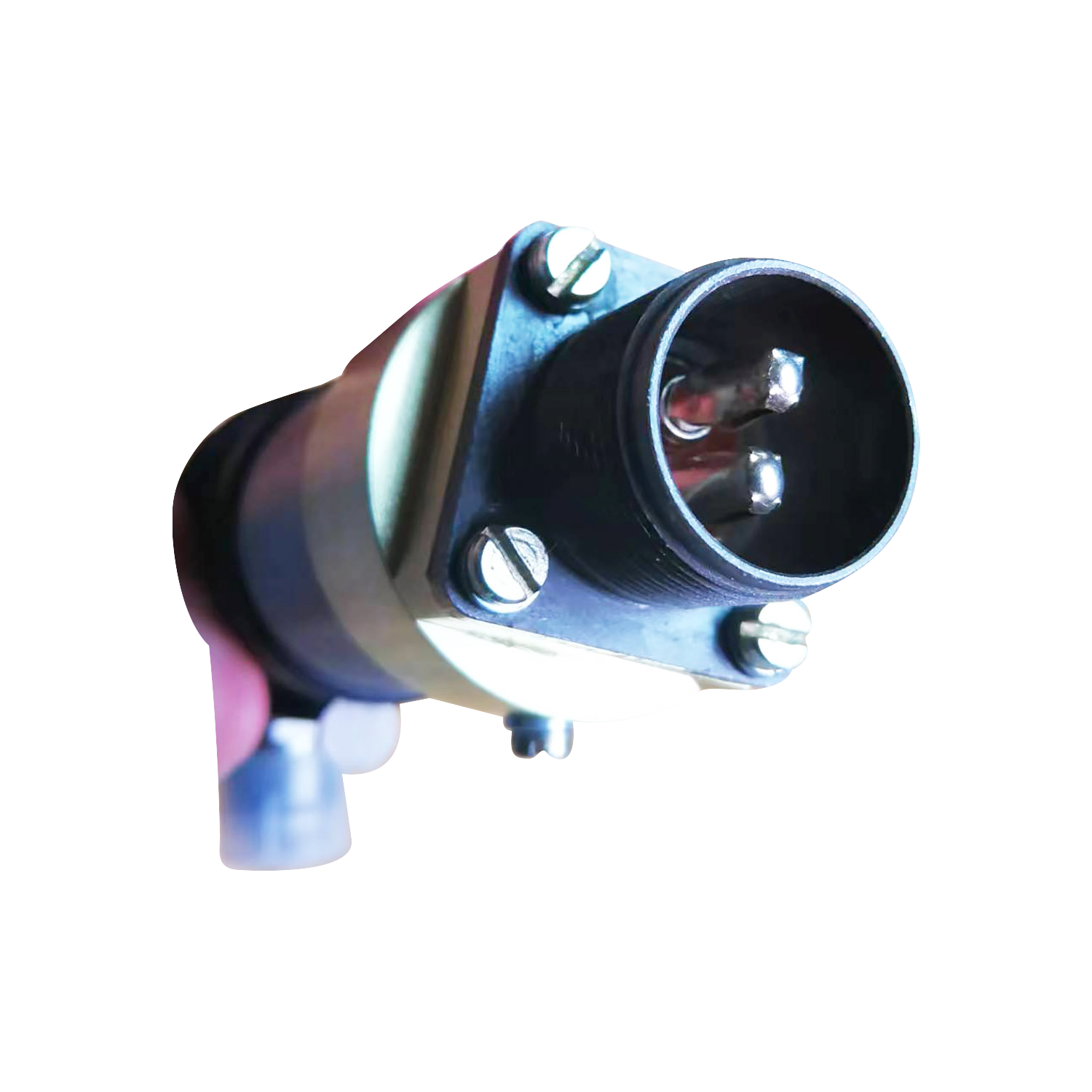
- Form-Fit-Function (FFF) Certification & Interchangeability: Replacement parts, especially Aircraft Contractors and relays, must have official certification proving direct interchangeability with OEM parts without requiring system re-certification.
- Repair vs. Replace Analysis Support: Suppliers must provide clear economic and technical data to support the decision to repair a component (like an Aviation Sensor) versus replacing it, including mean time between failure (MTBF) data for repaired units.
- Technical Documentation & Repair Manuals: Comprehensive, clear, and translated technical documentation is non-negotiable. This includes wiring diagrams, torque specifications, and detailed disassembly/assembly guides for complex items.
- Turnaround Time (TAT) Guarantees for Repairs: Contractual service level agreements (SLAs) for repair and overhaul services are critical to minimize aircraft on ground (AOG) time. This is especially true for Military Aviation Relay panels and engine control components.
- Obsolescence Management for Legacy Systems: Proactive solutions for components no longer in production, including lifetime buys, authorized aftermarket manufacturing, or approved upgrade kits for systems on older Train and aircraft.
YM's Support Infrastructure for Global MRO Operations
Supporting global MRO requires more than just manufacturing; it demands dedicated service infrastructure. Our factory scale and facilities include a standalone, accredited MRO and Repair Center equipped with specialized test benches that simulate real-world operating conditions for Aviation Contactors and sensor arrays. This allows us to not only produce new components but also provide certified repair, recalibration, and overhaul services, extending the lifecycle of critical electronics.
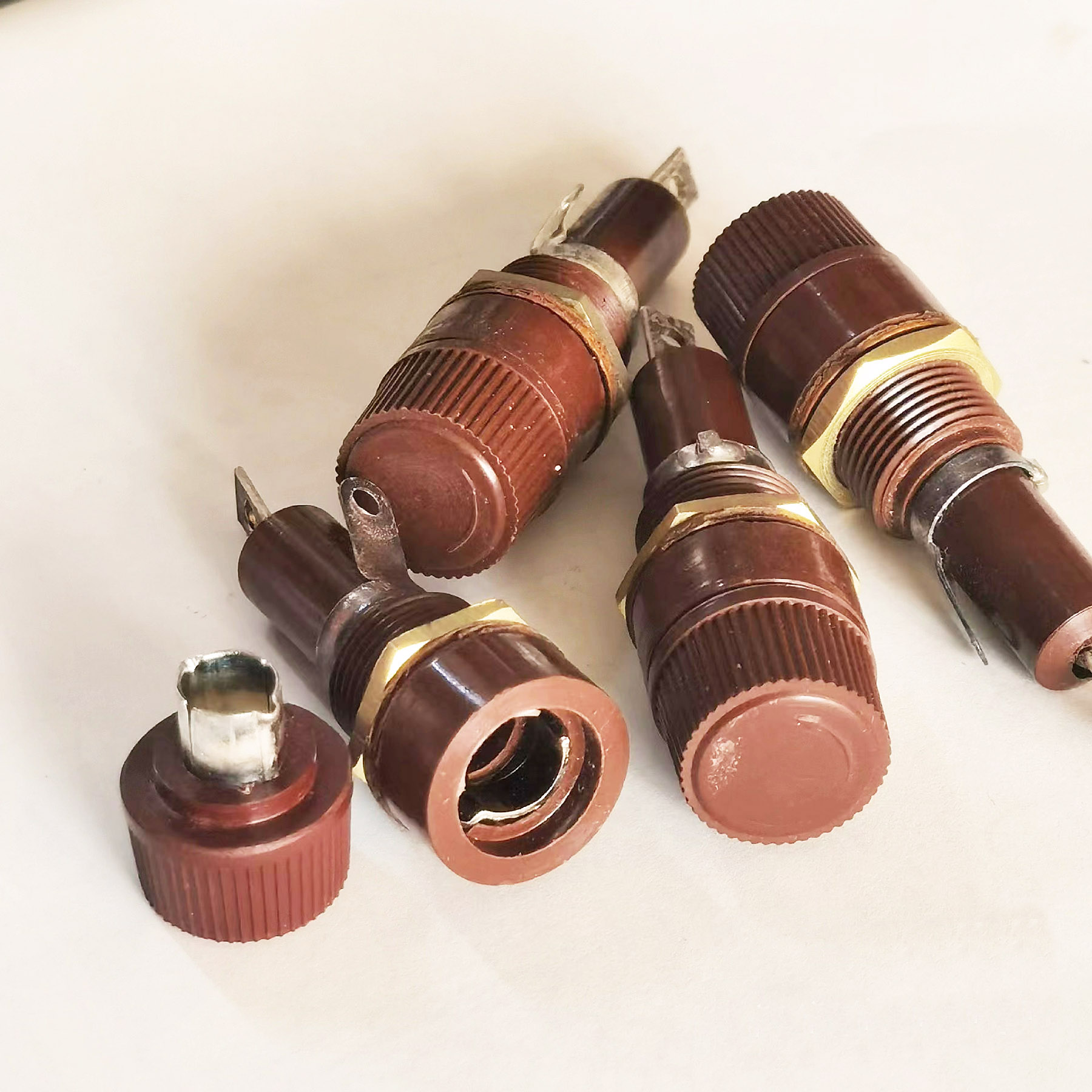
This capability is enhanced by our R&D team and innovation成果 in maintainability design. Our engineers focus on designing components with modular construction—such as replaceable contact cartridges in our Military Aviation Contactors or plug-in sensor heads—which drastically reduces repair complexity, turnaround time, and cost for the end user.
Step-by-Step: Best Practices for Aviation Electronics Inspection & Preventive Maintenance
A disciplined preventive maintenance routine is the first line of defense against failures. Follow this systematic procedure for key electrical components:
- Visual Inspection (Pre-Check):
- Look for signs of corrosion, contamination, or thermal discoloration on Aviation Fuse holders and relay cases.
- Check for secure mounting and integrity of wiring connections to all Aviation Sensors and meters.
- Functional Testing:
- Use a multimeter to check coil resistance of Military Aviation Relays and contactors against specification.
- Perform operational tests to verify smooth actuation and listen for abnormal sounds (e.g., chattering).
- Verify the accuracy of Aviation Meters for Drones against a known reference source.
- Connector & Contact Maintenance:
- De-energize the system and disconnect power.
- Inspect connector pins for bending or corrosion. Clean with approved contact cleaner.
- Check and re-torque power terminals on Aircraft Contractors to the manufacturer's specification.
- Documentation & Trend Analysis: Record all findings (measurements, visual notes) in the maintenance log. Track parameters over time to identify gradual degradation, a key principle of condition-based maintenance.

Industry Standards: The Framework for Safe and Compliant Maintenance
Essential MRO and Quality Standards
All maintenance activities must align with stringent industry standards to ensure airworthiness:
- FAA AC 43.13-1B / EASA Part 145: Acceptable methods, techniques, and practices for aircraft inspection and repair. The foundational guide for general aviation maintenance procedures.
- ISO 17025: General requirements for the competence of testing and calibration laboratories. Critical for any facility, like ours, that provides recalibration of Aviation Sensors and test equipment.
- MIL-STD-4158: Standard practice for the repair and overhaul of military electronic equipment.
- AS9110: The quality management system standard specifically for aerospace MRO organizations. Certification demonstrates a structured, process-driven approach to maintenance.
- Component Maintenance Manuals (CMMs): Supplier-produced documents that are the legally approved source for repair instructions. We provide comprehensive CMMs for our component lines.
Industry Trend Analysis: Digital Twins, Robotics, and Sustainability
The future of aviation maintenance is digital and automated. Digital Twin technology creates a virtual replica of physical assets, allowing maintenance crews to simulate failures and test procedures virtually. Collaborative robotics (cobots) are being introduced to assist with repetitive tasks like wire harness inspection or applying consistent torque to rows of Aircraft Contractor terminals. Furthermore, the drive for circular economy and sustainability is making certified repair and remanufacturing of components like High quality Aviation Engine controls not just an economic choice, but an environmental one.

Frequently Asked Questions (FAQ) for Aviation Maintenance Managers
Q1: What are the most common failure modes for aviation relays and contactors, and how are they addressed in maintenance?
A: The top failures are contact erosion/pitting from arcing and coil burnout. Maintenance addresses this through: 1) Regular contact resistance measurement to detect wear, 2) Cleaning of arc chutes in Military Aviation Relays, and 3) Checking coil voltage and in-rush current to ensure within limits. For repairable units, we offer contact kit replacements and coil rewinding services.
Q2: How should we manage calibration intervals for critical sensors and meters?
A: Follow a risk-based approach. Base intervals on the manufacturer's recommendation (found in the CMM), the sensor's historical stability data, and its criticality to flight safety. Sensors for Aircraft Engine monitoring typically have shorter intervals than cabin environment sensors. We provide calibration history tracking with each unit we service.
Q3: Can you provide modified or upgraded components to address known reliability issues in our current fleet?
A: Absolutely. This is a core OEM/ODM service. We can analyze field failure data and design retrofit kits or upgraded components—such as a Aviation Contactor with higher interrupt rating or improved sealing—that are form-fit-function replacements but incorporate design improvements for enhanced durability.
Q4: What documentation proves a component is airworthy after repair or overhaul?
A: The key document is an FAA Form 8130-3 / EASA Form 1 or equivalent Certificate of Conformance (CoC) and Repair Release Note. These documents, issued by an approved repair station (like our facility), certify that the work was performed per approved data and that the component meets its type design or approved specifications.
References & Technical Sources
- Federal Aviation Administration. (2023). Advisory Circular AC 43.13-1B: Acceptable Methods, Techniques, and Practices – Aircraft Inspection and Repair.
- Mobley, R. K. (2002). An Introduction to Predictive Maintenance. Butterworth-Heinemann. (Foundational text on maintenance philosophy).
- Aviation Maintenance Magazine Online. (2024, February 10). "Implementing PHM: Case Studies from Regional Airlines." [Industry Article]. Retrieved from: www.avm-mag.com
- SAE International. (2019). AS9110C: Quality Management Systems – Requirements for Aviation, Space, and Defense Organizations.
- Wikipedia contributors. (2024, January 25). "Digital twin." In Wikipedia, The Free Encyclopedia. Retrieved from: https://en.wikipedia.org/wiki/Digital_twin
- Professional Aviation Maintenance Association (PAMA) Forum. (2023, November). Thread: "Challenges in Sourcing Legacy Avionics Parts for Heavy Checks." [Online Discussion].


