Military Component Supply Chain Management: Strategies for Resilience and Compliance
For procurement managers sourcing critical components like Military Aviation Contactors and Aviation Sensors, supply chain management has evolved from a logistical function to a strategic imperative. Geopolitical shifts, regulatory complexities, and the demand for absolute traceability require a robust, agile approach. This article examines the challenges and best practices in managing the supply chain for military-grade components, focusing on the electromechanical systems vital to modern defense platforms.
The Modern Military Supply Chain Challenge: Beyond Just-in-Time
Today's military supply chain must balance three often conflicting demands: resilience against disruption, compliance with stringent regulations, and cost-effectiveness. The failure of a single Aviation Fuse or Military Aviation Relay can ground aircraft, making component reliability and availability mission-critical.
Key Pressure Points for Procurement
- Regulatory Compliance (ITAR, DFARS, EAR): Navigating export controls and ensuring every supplier in the chain is compliant is non-negotiable.
- Counterfeit Parts Mitigation: The risk of fraudulent components entering the supply chain poses severe safety and security threats.
- Demand Volatility & Long Lead Times: Program surges or delays can strain inventory management, especially for specialized Aircraft Engine components.
- Full Traceability Requirements: From raw material to installed part, complete digital and physical traceability is mandated for audit and safety investigations.
Industry Trends and Technology Reshaping Procurement
New Technology R&D and Application Dynamics
The integration of blockchain for provenance tracking and IoT-enabled smart packaging are emerging game-changers. Sensors can now monitor the environmental conditions (shock, temperature, humidity) of a Military Aviation Contactor in transit, providing immutable data on its handling. Additive manufacturing (3D printing) is also being explored for on-demand, certified production of non-critical components, reducing lead times.
Insight: Top 5 Concerns for Russian & CIS Procurement Managers
Engagement with procurement specialists in this region reveals distinct priorities shaped by local standards and operational needs:
- Dual Certification (MIL-SPEC & GOST/RA): Components must not only meet Western standards but also local Russian certification for seamless integration into legacy and modern platforms.
- Sanctions-Proof Supply Assurance: Establishing supply lines that are resilient to geopolitical disruptions and can guarantee long-term spare parts availability is paramount.
- Technical Documentation in Native Language: Comprehensive manuals, schematics, and compliance paperwork must be available and accurate in Russian.
- Performance in Extreme Climates: Proven reliability of components like Aviation Meters for Drones and Aviation Sensors in arctic cold and desert heat is a key selection criterion.
- Direct Manufacturer Relationships: A strong preference for dealing directly with factories (like YM) to avoid intermediaries, ensure authenticity, and secure better technical support.
Building a Resilient Supply Chain: A Step-by-Step Framework
For Procurement Teams Managing Components like Relays and Contactors:
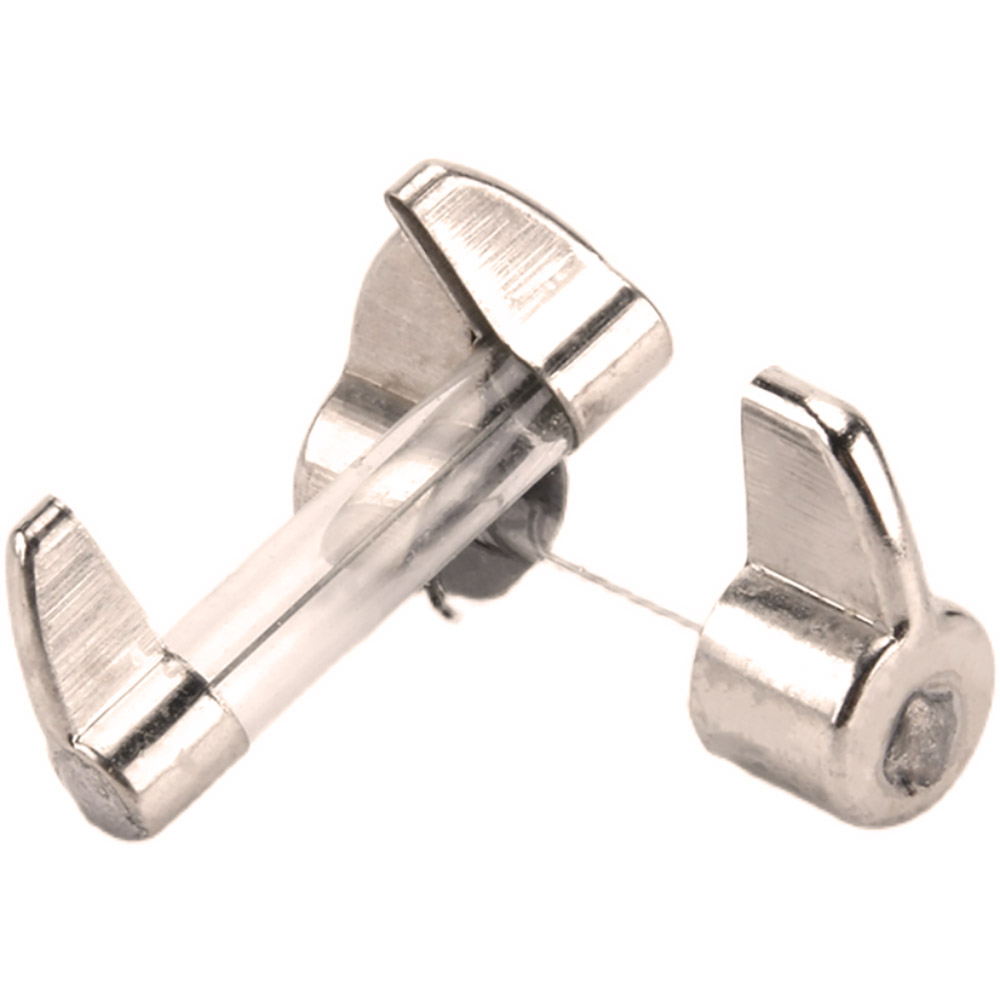
- Supplier Vetting & Dual-Sourcing: Audit potential suppliers not just for cost, but for their quality management systems (AS9100/ISO9001), compliance posture, and financial health. Establish dual sources for critical items like Military Aviation Relays.
- Digital Traceability Implementation: Mandate that suppliers provide serialized, digitally accessible history (material certs, test reports) for every batch of Aviation Fuses or contactors.
- Strategic Inventory Planning: Move beyond JIT for long-lead, high-criticality items. Collaborate with suppliers like YM on Vendor Managed Inventory (VMI) programs for components with stable demand patterns.
- Regular Supply Chain Stress Testing: Conduct "what-if" scenarios (port closure, supplier failure) to identify vulnerabilities in the flow of High Quality Aviation Engine parts or other essential systems.
- Invest in Supplier Collaboration: Treat key suppliers as strategic partners. Jointly develop forecast models and share non-sensitive program timelines to improve their planning and your reliability.

Product Knowledge: Ensuring Integrity from Warehouse to Installation
Proper handling within your own facilities is the final link in a secure supply chain.
- Storage of Electro-Mechanical Parts: Store Military Aviation Contactors and relays in climate-controlled, ESD-safe environments. Use FIFO (First-In, First-Out) inventory management to prevent shelf-life degradation.
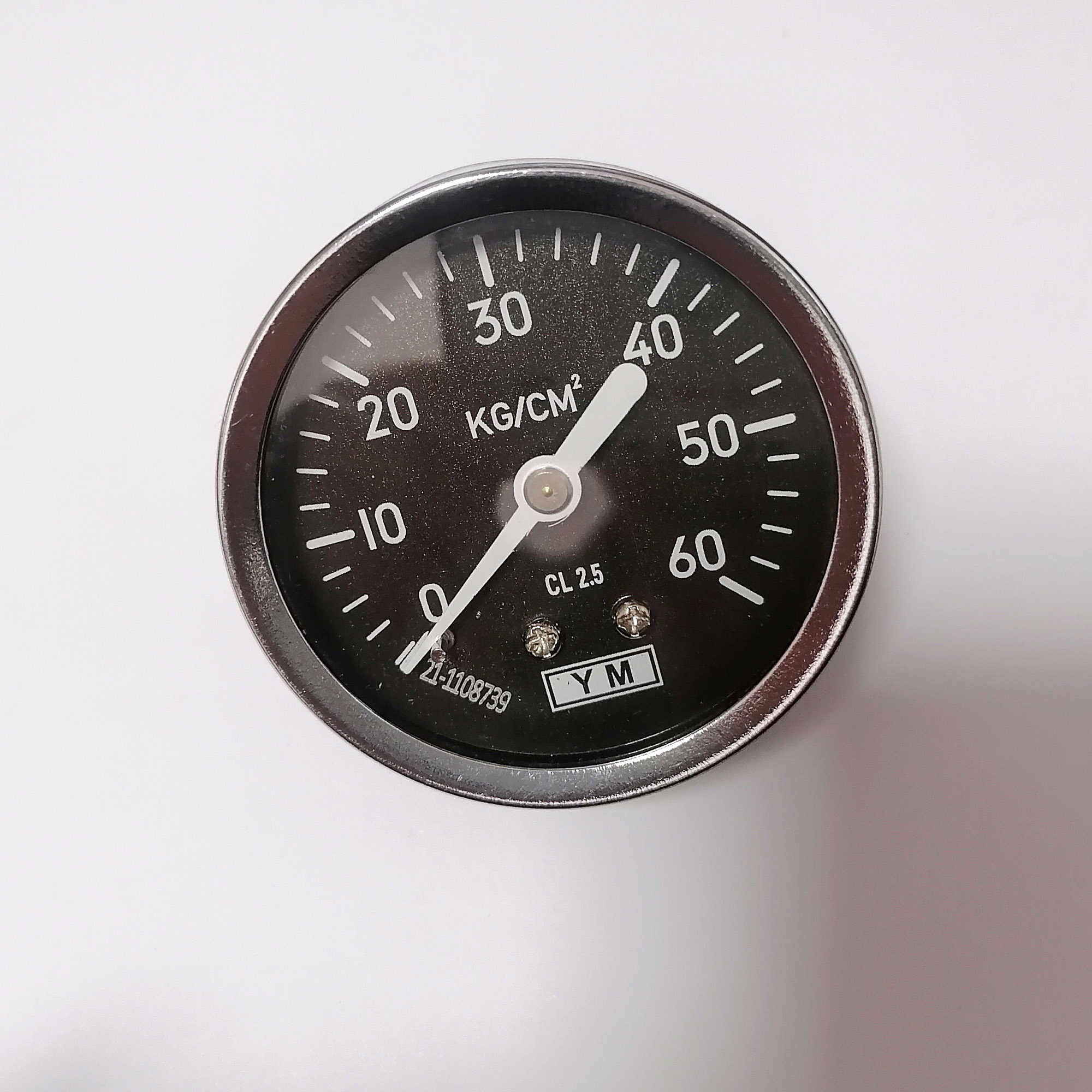
- Incoming Inspection Protocol: Even with trusted suppliers, perform random incoming inspections. For an Aviation Meter for Drone, this might include a basic functionality check and verification of calibration certificates.
- Handling of Sensitive Components: Aviation Sensors are often delicate. Train warehouse staff on proper handling procedures to prevent damage that might not be immediately visible but affects long-term performance.
YM: A Stable Link in Your Critical Supply Chain
In an unstable world, your component supplier must be a pillar of reliability. YM is engineered to be precisely that.
Manufacturing Scale and Facilities: Built for Volume and Verification
Our 50,000 sq.m. industrial campus is a vertically integrated ecosystem. From precision machining for Aircraft Engine accessory components to fully automated assembly lines for Aviation Relays, we control the core processes. This reduces external dependencies and allows us to implement a uniform, rigorous quality standard across all products, ensuring every Aviation Fuse shipped meets its exact specification.
R&D Team and Innovation: Designing for Supply Chain Efficiency
Our R&D initiatives focus not only on performance but also on design for manufacturability and reliability. By standardizing materials and sub-assemblies across product lines (e.g., using a common, proven contact alloy in multiple Military Aviation Contactors), we create supply chain efficiencies that translate to more stable pricing and shorter lead times for our clients. Our recent patent for a modular sensor housing allows faster customization of Aviation Sensors without retooling, directly responding to agile procurement needs.
Industry Standards: The Foundation of Trust
Understanding key standards is crucial for procurement specifications:
- MIL-DTL-38999: Specifies performance for high-density electrical connectors, relevant to systems using our relays and contactors.
- MIL-PRF-6106/ M22759: Governs the performance of aerospace-grade wire and cable, the circulatory system connecting all components.
- AS9100: The foundational quality management system standard for the aviation, space, and defense industries. Compliance is a basic prerequisite for any serious supplier.
- MIL-STD-1553 & ARINC 429: Data bus standards that define how avionics components, including sensors and meters, communicate.
Frequently Asked Questions (FAQ)
Q: How can I be sure the components I'm buying are not counterfeit?
A: Insist on full traceability documentation (C of C, material certs, test reports) that can be verified back to the original manufacturer. Deal directly with authorized distributors or the factory (like YM). Be wary of prices that seem too good to be true, and physically inspect parts for inconsistencies in markings, materials, or workmanship.
Q: What is the biggest advantage of working with a manufacturer like YM over a broad-line distributor?
A: Technical depth and supply chain transparency. A manufacturer provides direct access to engineering teams for compatibility questions, offers customization, and has full visibility into its own raw material sourcing and production schedule. This reduces risk and can solve problems faster than going through a third party.
Q: How are lead times for components like Military Aviation Relays being managed in the current environment?
A: Proactive communication and advanced planning are key. Leading manufacturers employ demand forecasting collaboration and strategic raw material stocking. At YM, we provide clients with realistic, data-driven lead times and offer flexible inventory programs like bonded warehouse stocking for high-volume, standard Aviation Fuse and relay items to buffer against market fluctuations.
References & Further Reading
- Defense Logistics Agency (DLA). (2023). Defense Federal Acquisition Regulation Supplement (DFARS) - Safeguarding Covered Defense Information. DFARS 252.204-7012.
- Kania, E. B., & Lendon, J. P. (2022). Resilience and Redundancy: Rebuilding the Defense Industrial Base Supply Chain. Center for Strategic and International Studies (CSIS) Report.
- SAE International. (2021). Aerospace Standard: Counterfeit Electronic Parts; Avoidance, Detection, Mitigation, and Disposition. AS6174.
- Wikipedia contributors. (2024, February 15). International Traffic in Arms Regulations (ITAR). In Wikipedia, The Free Encyclopedia. Retrieved from https://en.wikipedia.org/wiki/International_Traffic_in_Arms_Regulations
- Industry Forum Thread. (2023, November). "Managing Lead Times for MIL-SPEC Components in 2024." Aviation Week & Space Technology Online Network. [Professional Forum].