Military Electronics Sustainability Trends: Balancing Mission Readiness with Environmental Responsibility
Sustainability is no longer a secondary consideration in defense procurement; it is becoming a core component of operational resilience and lifecycle cost management. For procurement managers sourcing critical components like Military Aviation Relays and Aviation Sensors, understanding these trends is essential for future-proofing supply chains and aligning with evolving national and international regulations. This analysis explores how sustainability is reshaping military electronics, from design and manufacturing to deployment and end-of-life, impacting everything from a High Quality Aviation Engine's efficiency to the total carbon footprint of a platform.
Redefining Sustainability in a Military Context
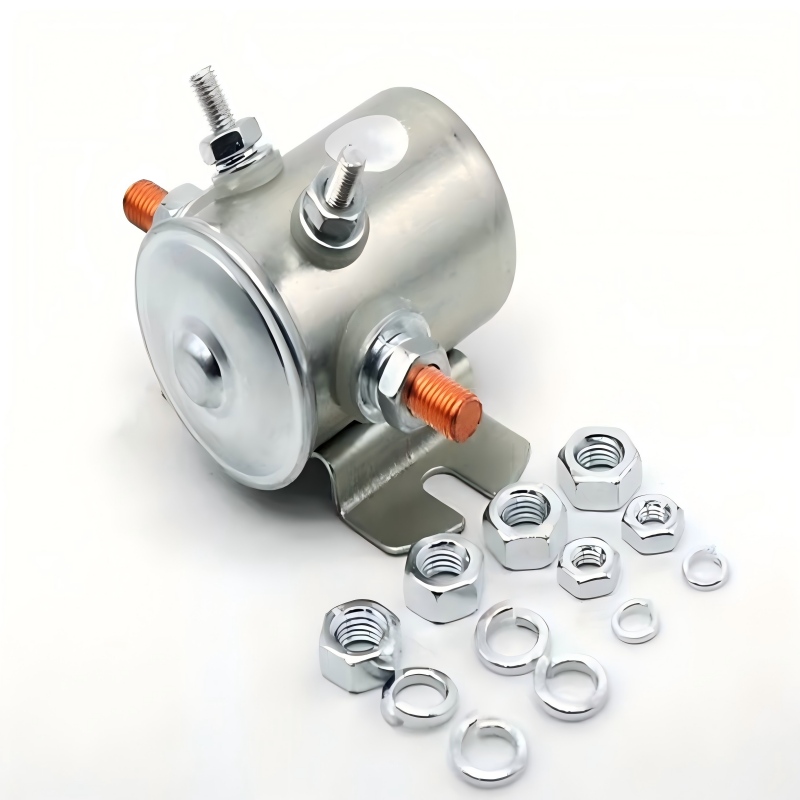
In military electronics, sustainability extends beyond simple "green" initiatives. It encompasses a holistic approach to resource efficiency, supply chain resilience, and lifecycle management that directly supports long-term operational readiness. A more sustainable Military Aviation Contactor isn't just about recycled materials; it's about a design that lasts longer, uses less energy, and is easier to repair or upgrade, thereby reducing logistical burden and total cost of ownership.
The Three Pillars of Military Electronics Sustainability:
- Environmental Stewardship: Reducing hazardous materials, energy consumption, and waste throughout the product lifecycle.
- Economic Efficiency & Resilience: Designing for longevity, reparability, and supply chain security to reduce lifecycle costs and logistical vulnerabilities.
- Social & Governance (ESG) Alignment: Meeting increasing stakeholder expectations and regulatory mandates for responsible sourcing and production.
Key Sustainability Trends Transforming Component Design and Procurement
1. Design for Environment (DfE) and Longevity
The focus is shifting from designing for lowest initial cost to designing for lowest lifecycle impact.
- Extended Service Life & Durability: Components like Military Aviation Relays are being engineered for higher cycle counts and greater resistance to environmental stress, delaying replacement and reducing waste. This aligns perfectly with the demand for High Quality Aviation Engine parts that maximize time-on-wing.
- Modularity and Upgradability: Designing systems so that individual sub-components (e.g., a sensor's processing module) can be replaced or upgraded without discarding the entire unit.
- Hazardous Material Reduction (RoHS, REACH): Phasing out substances like lead, cadmium, and certain flame retardants, moving towards compliant materials without sacrificing performance in extreme conditions.
2. Energy Efficiency and Power Management
Reducing the power appetite of platforms is a major sustainability and operational driver.
- High-Efficiency Power Conversion: Using Wide Bandgap Semiconductors (SiC, GaN) in power supplies and motor drives for components, reducing energy losses and thermal load.
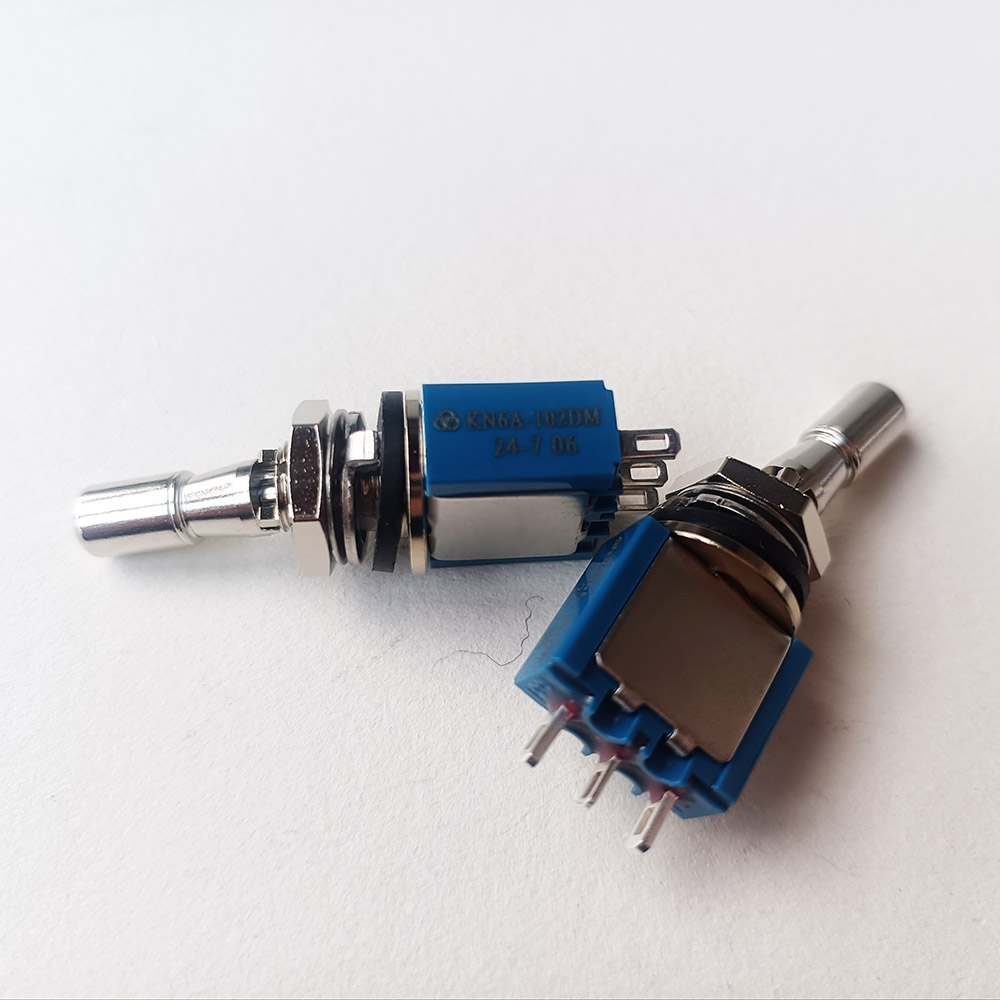
- Smart Power Distribution: Intelligent contactors and solid-state power controllers (SSPCs) that minimize idle losses and optimize power flow based on real-time need.
- Low-Power Electronics for Sensors & IoT: Developing Aviation Sensors and meters that consume minimal power, enabling longer operation on batteries or energy harvesting in unattended systems.
3. Circular Economy and Sustainable Supply Chains
Moving from a linear "take-make-dispose" model to a circular one.
- Remanufacturing and Advanced Repair: Establishing processes to refurbish and recertify high-value components like avionics LRUs or engine control modules, returning them to service.
- Material Traceability and Responsible Sourcing: Using blockchain or other technologies to ensure conflict-free minerals and ethically sourced materials in components like Aviation Fuses and circuit boards.
- Design for Disassembly and Recycling (DfD): Creating components that can be easily taken apart at end-of-life to recover valuable materials (precious metals, copper, specialized alloys).
Industry Dynamics and Regional Strategic Approaches
New Technology R&D and Application Dynamics
Sustainability innovation is closely tied to performance.
- Additive Manufacturing (3D Printing): Enables on-demand, localized production of spare parts, reducing inventory and transportation emissions. Allows for lightweight, topology-optimized designs that use less material without sacrificing strength.
- Bio-based and Advanced Polymers: Research into high-performance, durable polymers derived from sustainable sources for connectors, housings, and insulation.
- Digital Twins for Sustainable Operations: Using digital twins to simulate and optimize component performance, predict maintenance to prevent waste, and model end-of-life scenarios for better recycling planning.
Insight: Top 5 Sustainability Priorities for Russian & CIS Military Electronics
Sustainability in this region is framed within concepts of resource independence and strategic resilience:
- Import Substitution and Domestic Material Sourcing (Импортозамещение): The highest priority is securing the supply chain from geopolitical disruption. This drives demand for components made with locally sourced or stockpiled materials, even if not traditionally "green," as a matter of national security sustainability.
- Extreme Longevity and Repairability in Harsh Climates: Components must be designed to last decades in arctic and continental climates with minimal support. Repairability with common tools in field conditions is valued over sophisticated recycling schemes.
- Energy Efficiency for Extended Autonomous Operations: For unmanned systems and remote posts, reducing the power draw of electronics directly translates to longer mission duration, smaller logistical footprint, and enhanced sustainability in the operational sense.
- Closed-Loop Systems for Critical Materials: Initiatives to recover and reuse precious and rare-earth metals from decommissioned equipment within the domestic military-industrial complex, reducing external dependence.
- Compliance with Evolving Eurasian Economic Union (EAEU) Technical Regulations: While different from EU directives, the EAEU is developing its own set of environmental and technical regulations that components must eventually meet for market access.
A Framework for Integrating Sustainability into Procurement
Procurement teams can drive sustainability by adopting this actionable framework:
- Incorporate Sustainability into Specifications & RFPs:
- Ask for Product Lifecycle Assessments (LCAs), material declarations (e.g., IMDS reports), and data on energy efficiency. Specify required lifetimes (e.g., mean time between failures) and reparability indexes.
- Evaluate Suppliers' Environmental Management Systems (EMS):
- Prefer suppliers with ISO 14001 certification and transparent policies on waste, energy, and water use. Audit their practices, not just their claims.
- Calculate Total Ownership Cost (TOC) with Sustainability Factors:
- Model costs over 20+ years, including energy consumption, anticipated maintenance/repair, end-of-life processing, and potential carbon taxes. A more efficient, durable component often wins on TOC.
- Foster Partnerships for Circular Solutions:
- Work with suppliers who offer take-back programs, remanufacturing services, or leasing models for high-value items like certain sensors or power units.
- Prioritize Supply Chain Transparency and Resilience:
- Map supply chains for critical components to identify and mitigate environmental and geopolitical risks. Dual-sourcing from stable, responsible regions is a sustainable strategy.
YM's Commitment to Sustainable Defense Solutions
At YM, we believe that sustainability is inseparable from quality and reliability. Our approach is to build products that endure and perform efficiently, thereby naturally reducing waste and resource consumption over their long lives.
Manufacturing Scale and Facilities: Efficiency at Scale
Our manufacturing campus incorporates significant sustainability measures. We have installed solar panels on factory roofs to offset operational energy use. Our advanced water recycling system treats and reuses water from production processes. In our plating and finishing shops, we have transitioned to more environmentally friendly processes that reduce VOC emissions and hazardous waste, while still providing the corrosion resistance required for components like Aircraft Contactors exposed to harsh environments.
R&D and Innovation: Engineering for the Future
Our R&D team's "Eco-Durability" initiative focuses on two fronts:
- Advanced Contact Materials: Developing new contact alloys for our Military Aviation Relays that significantly reduce erosion and material loss over millions of cycles. This extends service life by up to 30%, directly reducing the frequency of replacement and associated waste.
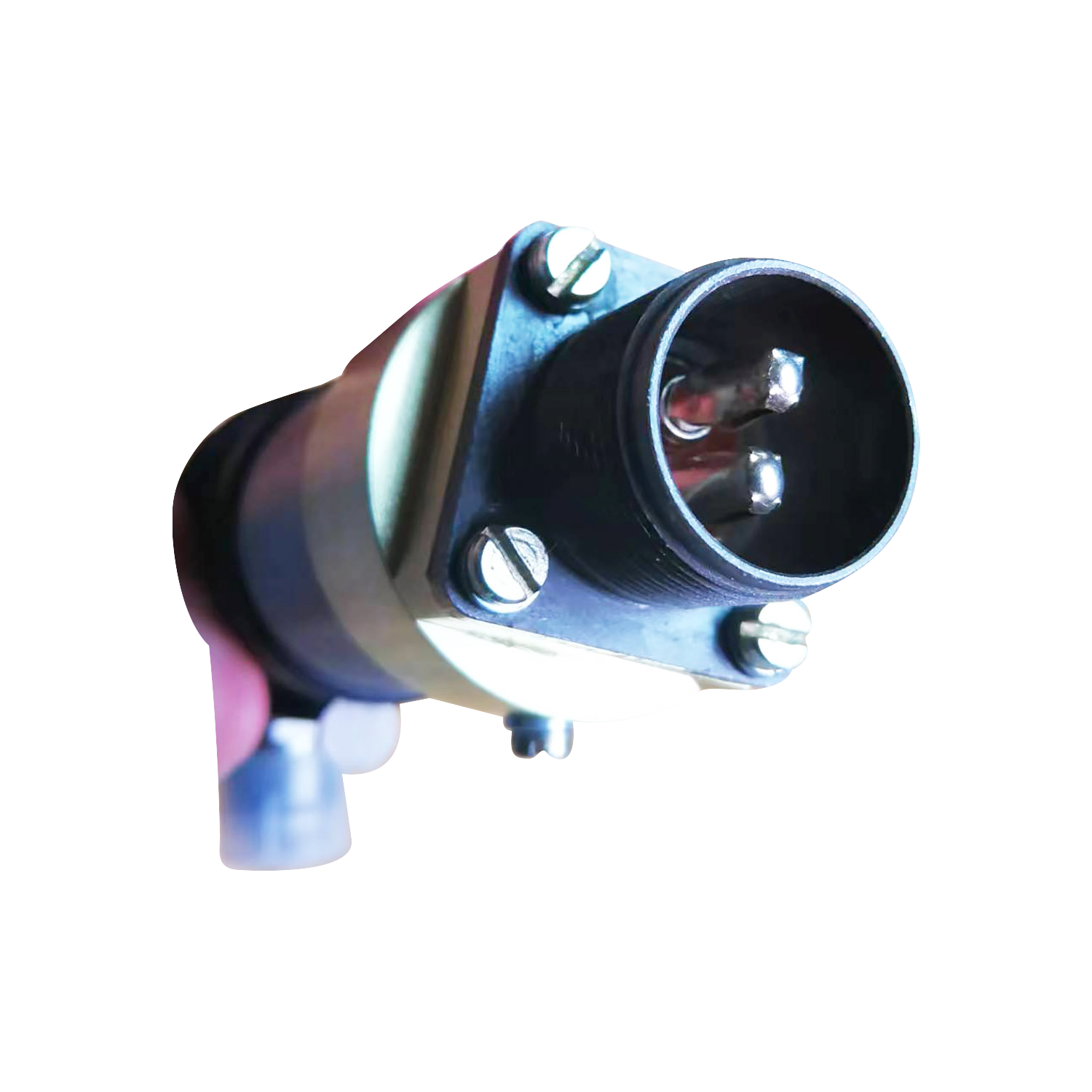
- "Monolithic" Sensor Design: For our next-generation Aviation Sensors, we are moving towards a single-ceramic package design that eliminates multiple epoxies and plastics, uses less material, and is fully recyclable at end-of-life while improving hermeticity and reliability.
Relevant Standards and Regulations
Navigating the sustainability landscape requires awareness of these key frameworks:
- ISO 14001 (Environmental Management Systems): The international standard for assessing and improving environmental performance.
- EU RoHS & REACH: Restriction of Hazardous Substances and chemicals regulations, increasingly a de facto global standard for electronics.
- Defense Federal Acquisition Regulation Supplement (DFARS) 252.223-7008: Prohibits the use of certain conflict minerals (tin, tantalum, tungsten, gold).
- MIL-STD-XXX (G): Many military standards now have "Green" (-G) supplements or revisions that address material restrictions and environmental testing.
- AS9100/AS9120: While quality standards, they include requirements for supply chain control and traceability, which support sustainable sourcing.
- EAEU Technical Regulations (ТР ТС): The Customs Union's regulations on product safety, which include emerging environmental requirements.
Frequently Asked Questions (FAQ)
Q: Does focusing on sustainability compromise the performance or reliability of military components?
A: Not when done correctly. In fact, the goals often align. A more energy-efficient power supply runs cooler, potentially increasing its reliability. A longer-lasting Aviation Fuse or relay reduces maintenance events. The challenge is in the transition—finding substitute materials that perform equally in extreme conditions or designing for disassembly without compromising ingress protection. The most sustainable component is often the one that doesn't fail and doesn't need to be replaced prematurely.
Q: How can we verify a supplier's sustainability claims, especially deep in the supply chain?
A: Demand transparency and third-party verification.
- Request audit reports (e.g., for ISO 14001) and certificates of compliance for specific regulations (RoHS, REACH, conflict minerals).
- Use standardized reporting like the International Material Data System (IMDS) for full material disclosure.
- For critical components, consider on-site audits of the supplier's facility and their key sub-suppliers. A reputable supplier like YM will have this data readily available and be open to verification.