
Send Message
Privacy statement: Your privacy is very important to Us. Our company promises not to disclose your personal information to any external company with out your explicit permission.

For procurement managers sourcing critical aviation and defense components, military standards (MIL-STDs) are the definitive language of quality, reliability, and interoperability. Understanding this complex framework is essential for selecting suppliers capable of delivering mission-critical parts like Military Aviation Relays, Aviation Sensors, and High Quality Aviation Engine accessories. This guide demystifies key standards, compliance processes, and evaluation criteria for informed procurement decisions.

MIL-STDs are not a single document but a hierarchical system governing every aspect of a component's life. Compliance ensures that a Aviation Fuse from one manufacturer is interchangeable and performs identically to another's, and that an Aircraft Contactor can survive the harsh environment of its intended application.
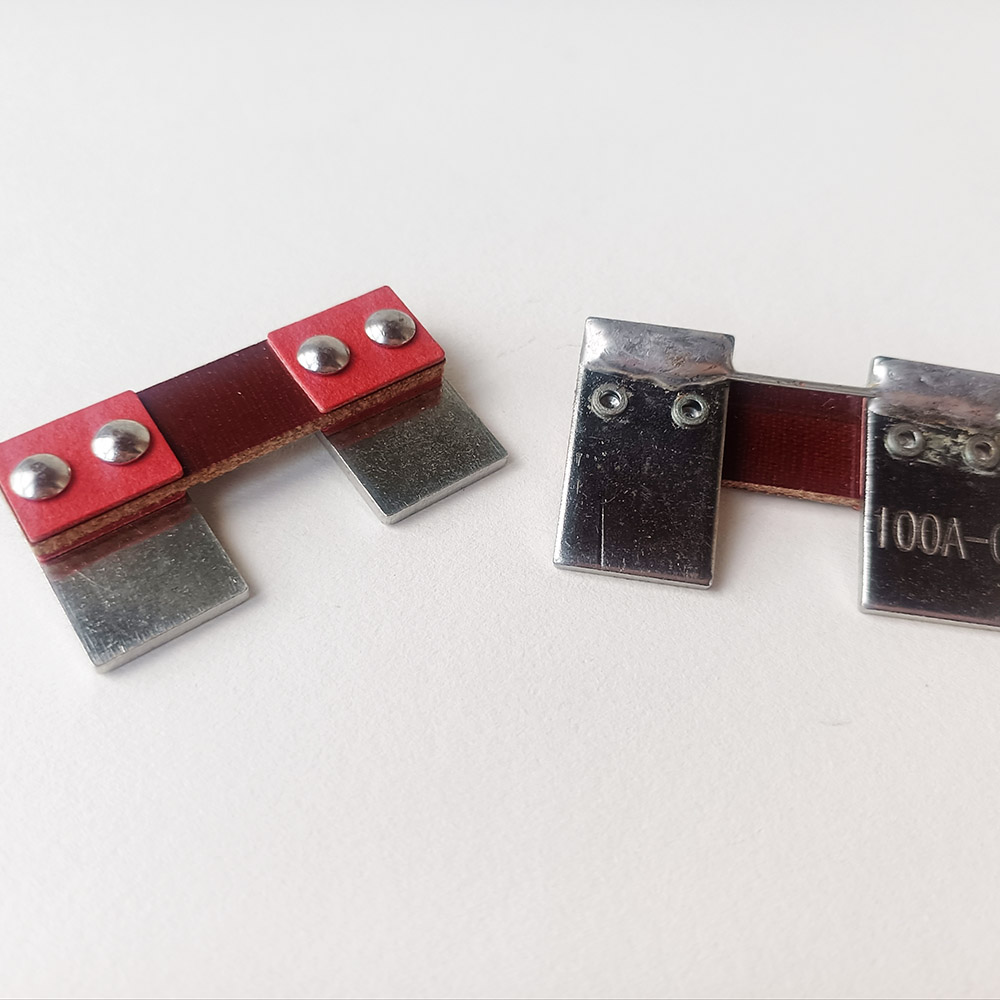
When evaluating suppliers for specific components, focus on these pivotal standards.
The industry is moving towards performance-based standards over prescriptive "build-to-print" ones, allowing for innovation in materials (e.g., composites) and manufacturing (e.g., additive manufacturing). Additionally, the integration of cybersecurity requirements (e.g., from NIST or under DFARS) into the supply chain for smart, connected components is a rapidly evolving frontier. The concept of a "Digital Certificate of Conformance", linked to a blockchain-based digital thread, is emerging to streamline the audit and verification of compliance for items like Aviation Fuses and relays.
Navigating the Russian market requires understanding its unique regulatory landscape:

Procurement teams should systematically assess a supplier's compliance posture:
At YM, compliance is not a department—it's a design and manufacturing philosophy embedded in our infrastructure and culture.
Our 70,000 sq.m. vertically integrated facility is structured to enforce standards. Dedicated, climate-controlled production cells for Military Aviation Relay assembly, an in-house Metrology Lab with NIST-traceable calibration, and a full-spectrum Environmental Test Lab (vibration, thermal, EMI) allow us to control and verify every parameter against MIL-STD-810, 461, and others. This control is what enables us to consistently produce High Quality Aviation Engine monitoring components that meet dual certification demands.
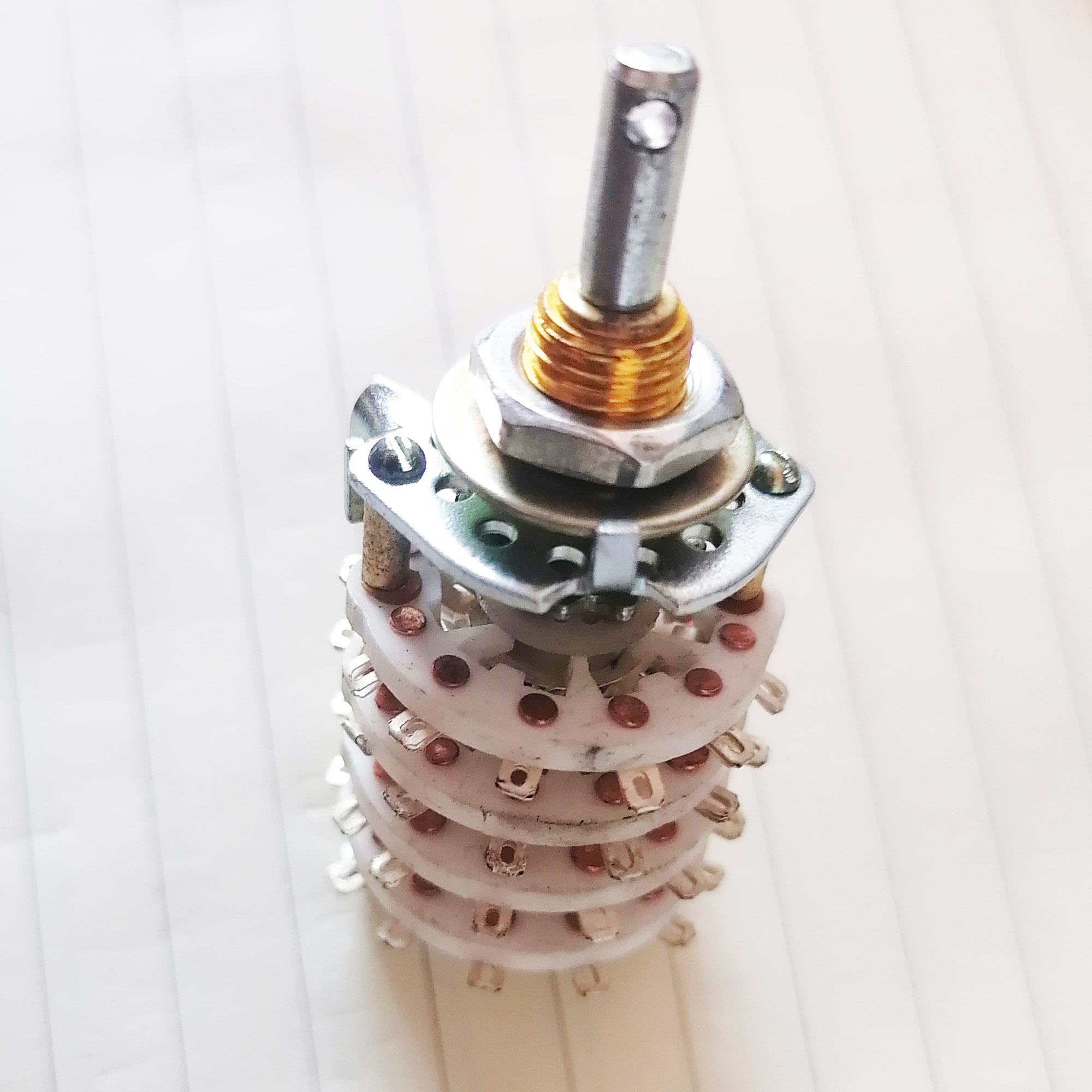
Our R&D team, which includes veterans from global aerospace primes, doesn't just follow standards—they aim to advance them. A recent project focused on developing a new, more durable contact material for our Aircraft Contactors. The resulting alloy not only exceeded the lifecycle requirements of MIL-PRF-28750 but also achieved a 20% reduction in electrical resistance, a proprietary innovation now protected under patent. We design to exceed the standard.
Purpose: To tailor a component's environmental design and test limits to the specific conditions it will experience throughout its service life.
Procurement Relevance: When specifying a component, you must provide or agree upon the relevant Method and Category. For example, a vibration test (Method 514) for an Aviation Sensor mounted on a helicopter engine will be far more severe (Category 24) than for one in the cabin (Category 10).
Purpose: To control electromagnetic emissions from equipment and define its susceptibility to external interference.
Procurement Relevance: Ensures that your new Aviation Fuse panel or Aviation Meter will not disrupt nearby radios (Emissions, RE102) and will not malfunction when exposed to onboard transmitters (Susceptibility, RS103). Compliance is verified in a shielded chamber.
A: "Meeting" a test standard (like MIL-STD-810) means the component passed the specific tests. "Qualified to" a performance spec (like MIL-DTL-38999) is a more formal, rigorous process. It typically involves testing by an authorized lab, formal approval by a government agency, and listing on a Qualified Products List (QPL). QPL status is the gold standard for components like certain Military Aviation Relays.
A: AS9100 is necessary but not sufficient. It proves the supplier has a robust aerospace quality system. However, you must still verify that the specific product meets the required MIL-PRF/MIL-DTL and has been tested to the relevant MIL-STDs. Think of AS9100 as the factory's driver's license, and the product-specific MIL compliance as the vehicle's safety inspection certificate.
A: The key is the Technical Data Package (TDP) and First Article Inspection (FAI). The TDP defines the custom requirements. The FAI (per AS9102) rigorously verifies that the first production article conforms to every detail of the TDP, including all invoked standards. This process, managed effectively by suppliers like YM with strong engineering and QA teams, validates compliance for non-catalog items.

March 17, 2026

December 12, 2025

December 12, 2025

December 12, 2025
Email to this supplier
March 17, 2026
December 12, 2025
December 12, 2025
December 12, 2025
Contact

Send Inquiry
Related Products List
Privacy statement: Your privacy is very important to Us. Our company promises not to disclose your personal information to any external company with out your explicit permission.
Fill in more information so that we can get in touch with you faster
Privacy statement: Your privacy is very important to Us. Our company promises not to disclose your personal information to any external company with out your explicit permission.