XI'AN YUMU ELECTRONICS TECHNOLOGY CO.,LTD
Home> NEWS> Military Switch Environmental Testing Standards - Aviation Switches

Military Switch Environmental Testing Standards - Aviation Switches

2025,12,09

Military Switch Environmental Testing Standards: The Blueprint for Reliability in Extreme Conditions

For B2B采购 managers, engineers, and system integrators in the defense, aerospace, and heavy industrial sectors, component reliability is non-negotiable. This reliability is not assumed; it is rigorously proven through a battery of standardized environmental tests. Understanding Military Switch Environmental Testing Standards is crucial for specifying components that will survive and perform in the harshest conditions imaginable. This guide demystifies key military standards, explains what each test verifies, and demonstrates how compliance translates into real-world performance for military-grade switches and beyond.

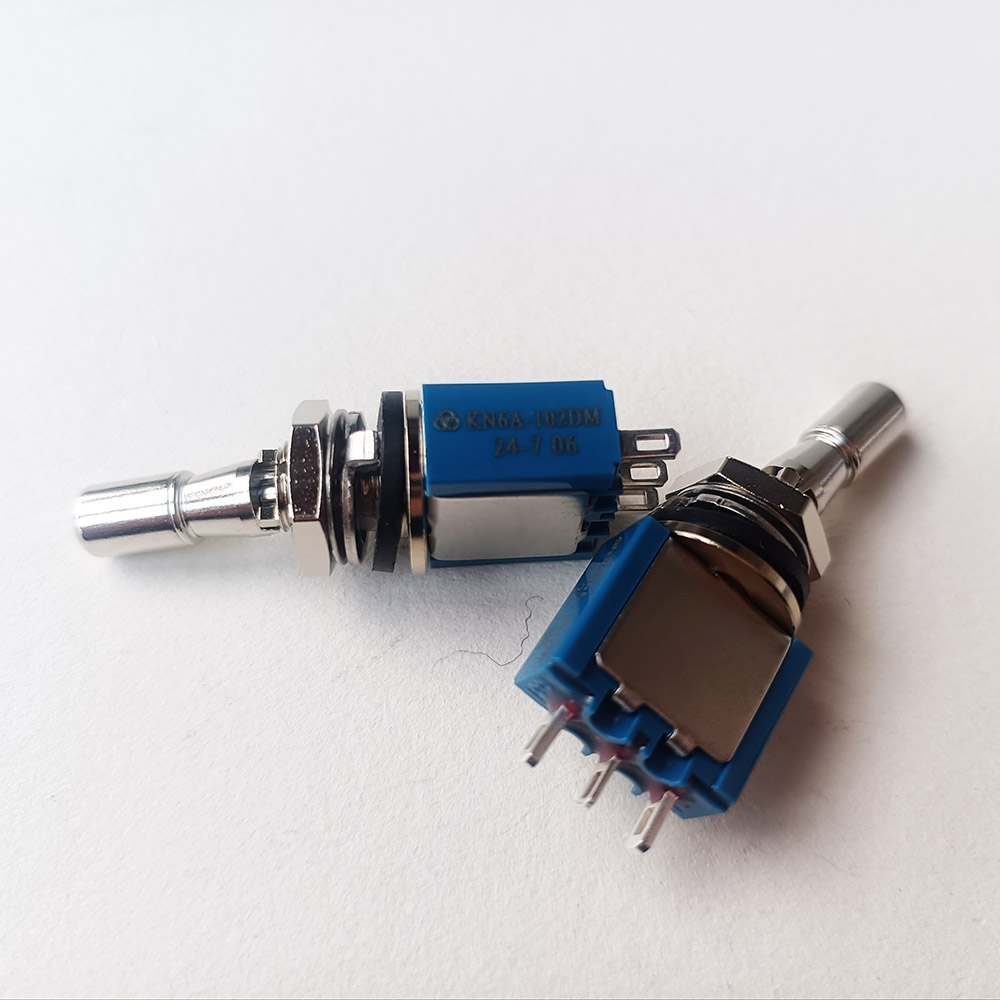
ZZK3-2 20A 28V

Why Environmental Testing is Non-Negotiable for Military Components

Commercial-grade components can fail catastrophically in military or high-reliability industrial environments. Environmental testing simulates these conditions in a controlled lab to predict field performance and eliminate weak designs before they reach the field.

  • Risk Mitigation: Identifies design flaws and manufacturing defects that could lead to failure in critical systems like Aircraft Engine controls or drone flight systems.
  • Performance Verification: Provides empirical data that a switch will operate within specification across its entire claimed temperature, vibration, and humidity range.
  • Standardized Language for Procurement: Allows采购 managers to specify requirements (e.g., "must meet MIL-STD-810H") and compare suppliers on a like-for-like basis.
  • Lifecycle Cost Reduction: Investing in proven, tested components reduces unscheduled maintenance, repair costs, and system downtime over the asset's life.

Decoding Key Military Environmental Testing Standards

These standards form the cornerstone of qualification for any Military Aviation Switch.

MIL-STD-810: The Environmental Engineering Handbook

This is the most comprehensive and widely referenced standard. It doesn't prescribe a pass/fail test but provides test methods to simulate environmental stresses.

  • Method 500.6 - Low Pressure (Altitude): Tests performance and sealing at high altitudes (up to 100,000 ft). Critical for switches in aircraft and high-altitude Aviation Switch for Drone applications.
  • Method 501.7 - High Temperature: Verifies operation and material integrity at extreme heat, simulating engine bay or desert operations.
  • Method 502.7 - Low Temperature: Ensures functionality and that plastics/elastomers don't become brittle in arctic conditions.
  • Method 503.7 - Temperature Shock: Rapidly cycles between extreme high and low temperatures to test for material fatigue and contact stability.
  • Method 514.7 - Vibration: Perhaps the most critical for aviation. Tests resistance to sinusoidal and random vibration profiles experienced in aircraft, vehicles, and during launch.
  • Method 516.7 - Shock: Simulates explosive shocks, hard landings, or transportation impacts.

Compliance is validated in YM's in-house environmental testing laboratory, equipped to run these precise profiles.

Optical Encoder ENC1J-D28-L00128L

MIL-STD-461: Controlling Electromagnetic Effects

Reliability isn't just mechanical. This standard ensures a component won't interfere with, or be disrupted by, electromagnetic energy.

  • CE/CS (Conducted Emissions/Susceptibility): Limits noise the switch injects back into the power bus and tests its immunity to noise on the bus.
  • RE/RS (Radiated Emissions/Susceptibility): Limits RF noise radiated from the switch and tests its operation in strong RF fields (e.g., near radar or comms equipment).
  • Importance: Essential for avionics integrity. A switch failing RE/RS could disrupt navigation systems; failing RS could be inadvertently triggered by a radio transmission.

MIL-STD-202: Test Methods for Electronic and Electrical Components

Provides foundational test methods often referenced by other standards or used independently.

  • Method 103 - Moisture Resistance: Exposes components to high humidity, often with temperature cycling, to accelerate corrosion and test seal integrity.
  • Method 107 - Thermal Shock: Similar to MIL-STD-810 but often with a different specific procedure.
  • Method 204 - Vibration: Another common vibration testing procedure.

Industry Trends: Evolving Testing for Modern Challenges

Beyond Pass/Fail: The Rise of HALT/HASS

While MIL-STD-810 verifies a design can survive a specified environment, HALT (Highly Accelerated Life Test) and HASS (Highly Accelerated Stress Screening) are proactive, failure-finding tools used in R&D and production.

  • HALT: Subjects prototypes to stresses beyond expected operational limits (e.g., extreme rapid temperature ramps, multi-axis vibration) to find design weak points and fundamental failure modes. This data is used to strengthen the product before it's even qualified to MIL-STD.
  • HASS: Applies similar (but slightly less severe) stresses to 100% of production units to precipitate latent manufacturing defects (poor solder joints, tiny cracks) before shipment.

YM employs HALT in our R&D phase and HASS on critical product lines, ensuring our reliability assurance goes beyond simple compliance.

Simulation and Digital Twins

Advanced Finite Element Analysis (FEA) and computational fluid dynamics (CFD) simulations are used to model thermal, vibration, and shock responses digitally before physical prototypes are built. This reduces development time and cost while optimizing designs. YM's engineering team utilizes these tools to iterate designs virtually, ensuring they are robust by the time they reach the physical test lab.

ENC1J-D28-L00128L(2)

YM's Testing Infrastructure: From Compliance to Confidence

Claiming compliance is one thing; having the infrastructure to prove it is another. YM's dedicated test facility spans over 1,500 sq.m. and features state-of-the-art equipment including multi-axis electrodynamic shakers for vibration (MIL-STD-810, 514.7), thermal shock chambers with rapid transfer rates, and a semi-anechoic chamber for MIL-STD-461 EMC testing. Crucially, our lab is staffed by certified test engineers who understand not just how to run the tests, but how to interpret the results in the context of real-world switch performance for High quality Aviation Engine, Train, Plane and industrial applications.

R&D Focus: Designing to Exceed the Standard

Our R&D team's goal is not merely to pass a test, but to design switches whose failure modes are predictable and whose margins of safety are wide. For instance, our work on contact geometry and spring materials focuses on maintaining stable contact resistance even after exposure to prolonged temperature cycling and vibration—a performance parameter that goes beyond the basic pass/fail of a continuity check during a standard test. This results in products that don't just survive the test chamber but deliver exceptional longevity in the field.

5 Critical Testing-Related Concerns for Russian Defense Procurement

When evaluating test data from suppliers, Russian defense and aerospace procurement specialists prioritize:

  1. Equivalency to GOST Standards: While MIL-STD is respected, explicit correlation or test reports showing the switch also meets key GOST environmental standards (e.g., GOST 28205 for temperature, GOST 30630.99 for vibration) are highly valued for local certification processes.
  2. Testing on Production Units, Not Just Prototypes: Demand for evidence that ongoing production batches are periodically re-tested (lot acceptance testing - LAT) to the full environmental suite, ensuring consistent quality.
  3. Full Transparency in Test Reports: Complete, untrimmed test reports including all raw data, calibration certificates for test equipment, and photographs of the test setup are required for audit and technical review.
  4. Validation for Extreme Continental Climate: Specific attention to low-temperature operational testing down to -60°C and performance after temperature shock from such lows to high operational temperatures.
  5. Supply Chain Security of Tested Components: Assurance that the components tested are from the same supply chain (materials, sub-suppliers) as those being delivered, preventing "golden sample" scenarios.
IMG_20241210_160138_edit_94990833052969

Interpreting Test Data for Procurement Decisions

A certificate of compliance is a starting point. Astute采购 managers dig deeper.

Key Questions to Ask Your Supplier

  1. What was the test sample size? (n=1 is insufficient; n=5 or more per batch is better).
  2. Were the tests performed at an independent, accredited lab or in-house? (Both are valid, but accreditation like A2LA or NADCAP adds weight).
  3. What were the exact test parameters and durations? (MIL-STD-810 allows for tailoring; ensure the profile matches your application's reality).
  4. What specific performance parameters were monitored during the test? (Continuity monitoring during vibration is far more revealing than a pass/fail check after).
  5. Can you provide the test report for our review? (A confident supplier will provide it).

Related Standards and Complementary Testing

Environmental testing often works in concert with other qualification standards.

  • MIL-PRF-28800: For filters, but its EMI requirements dovetail with MIL-STD-461.
  • RTCA DO-160: Environmental Conditions and Test Procedures for Airborne Equipment. The civil aviation counterpart to MIL-STD-810, widely used in commercial aerospace and often specified alongside military standards for dual-use components.
  • ISO 16750: Environmental conditions and testing for automotive electrical and electronic equipment. Relevant for switches used in military ground vehicles.
  • AS9100: The aerospace quality management system that governs the process of design, testing, and production, ensuring consistency. YM's AS9100 certification provides the framework for our entire testing regimen.

Frequently Asked Questions (FAQ)

Q1: Does meeting MIL-STD-810 mean a switch is "indestructible"?

A: No. MIL-STD-810 verifies the switch can withstand a specific set of defined environmental stresses. It does not guarantee performance under stresses beyond those tested (e.g., a different vibration profile, higher G-shock) or for conditions like chemical exposure or sand/dust unless those specific methods were applied. It is a validation of suitability for an intended environment, not a guarantee of invulnerability.

Q2: What is the difference between "compliant with," "tested to," and "qualified to" a MIL-STD?

A: These are crucial distinctions:

  • "Compliant with": Vague; the product was designed considering the standard's guidelines.
  • "Tested to": Specific tests from the standard were performed on the product, but it may not have passed all required tests for full qualification.
  • "Qualified to" or "Meets": The product has undergone and passed the full suite of tests required by the standard for its intended application, often resulting in a formal qualification listing (QPL). This is the strongest claim.

Always request the specific test report to verify the claim.

Q3: Are switches that pass military environmental tests suitable for harsh industrial use (e.g., mining, oil & gas)?

A: In most cases, yes, and often they are overqualified. Military testing covers extreme temperatures, shock, and vibration. However, harsh industrial environments may introduce additional challenges like specific corrosive chemicals, explosive atmospheres, or different types of particulate (e.g., coal dust). A MIL-STD qualified switch is an excellent starting point, but for such applications, verification against additional standards like IECEx for explosion protection may be necessary. YM offers product families that bridge these requirements.

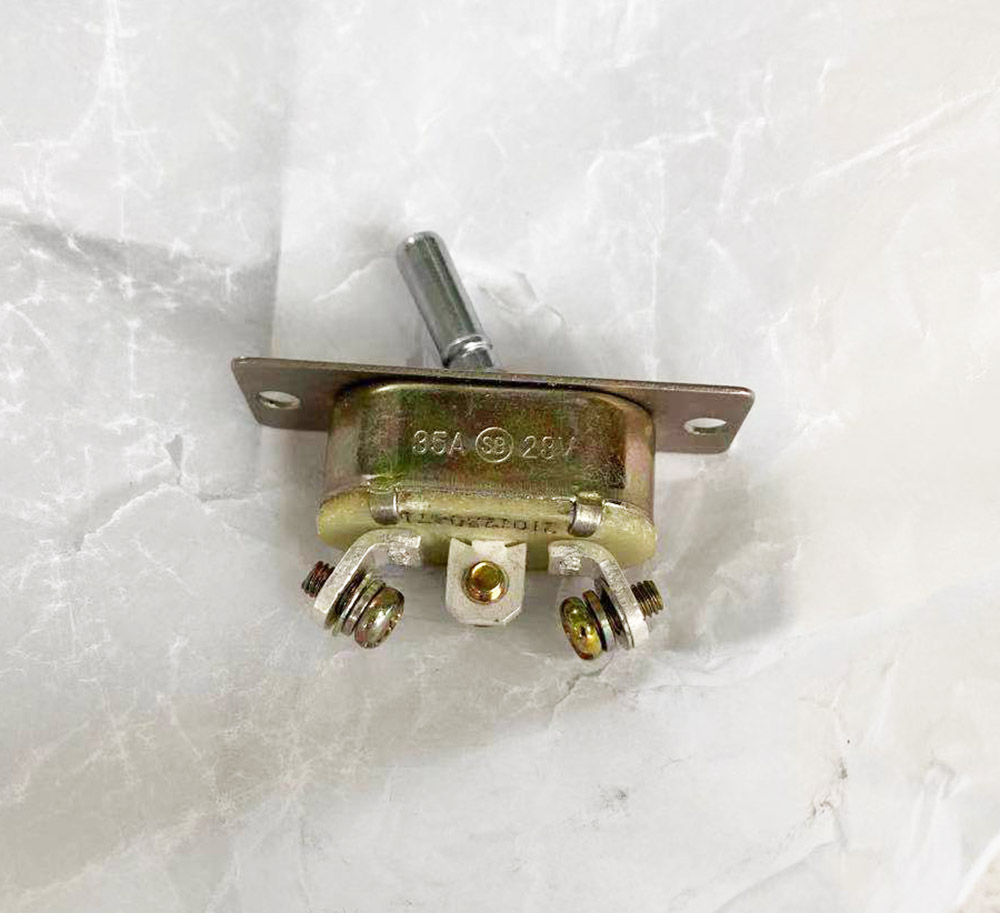
ZKK 35A 28VDC Rocker switch

References and Authoritative Technical Sources

The information in this guide is based on established standards and industry expertise:

  • Department of Defense. (2019). MIL-STD-810H: Environmental Engineering Considerations and Laboratory Tests. Washington, D.C.
Contact Us

Author:

Ms. Linda Deng

Phone/WhatsApp:

+86 13759943660

Popular Products
You may also like
Related Categories

Email to this supplier

Subject:
Email:
Message:

Your message must be between 20-8000 characters

Contact Us

Author:

Ms. Linda Deng

Phone/WhatsApp:

+86 13759943660

Popular Products

Contact

Send Inquiry

We will contact you immediately

Fill in more information so that we can get in touch with you faster

Privacy statement: Your privacy is very important to Us. Our company promises not to disclose your personal information to any external company with out your explicit permission.

Send