
Military System Integration Case Study: Achieving Seamless Interoperability in Complex Defense Platforms
Modern military platforms are complex systems of systems, where the seamless integration of electrical and electronic components determines overall performance, reliability, and survivability. This case study examines the critical challenges and methodologies involved in integrating components like Military Aviation Contactors, Aviation Sensors, and power distribution units into cohesive systems for Aircraft Engine management, UAV control, and vehicle electronics. For procurement managers and systems integrators, understanding these integration principles is essential for reducing program risk, ensuring platform performance, and meeting stringent military certification requirements.
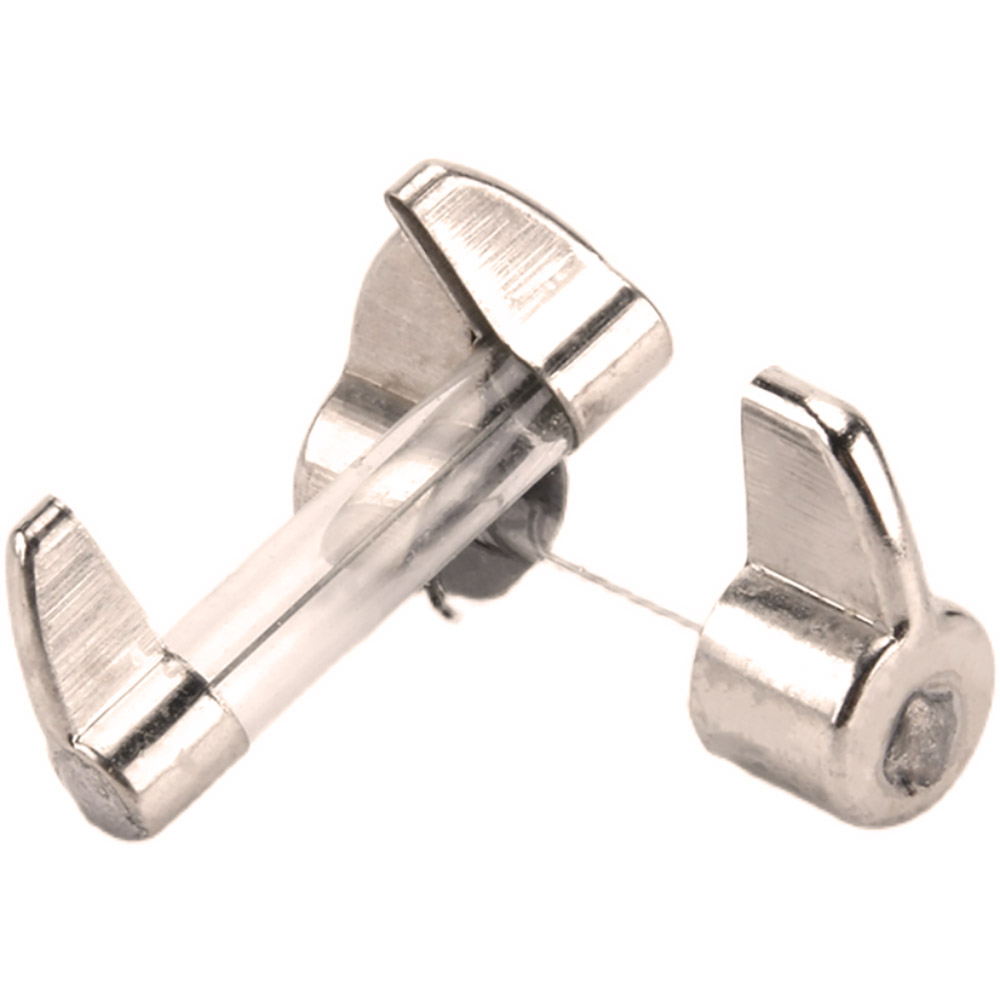
Latest Industry Dynamics: The Convergence of Modular Open Systems Architecture (MOSA) and Smart Components
The defense industry is rapidly adopting Modular Open Systems Architecture (MOSA) principles mandated by policies like the U.S. Department of Defense's SOSA™, FACE™, and VICTORY™ standards. This shift drives demand for components that are not only high-performance but also designed for interoperability. Smart Military Aviation Relays with digital health reporting and Aviation Sensors with standardized data interfaces (e.g., Ethernet, CAN bus) are becoming essential building blocks, enabling plug-and-play capabilities and easier future upgrades for Plane and ground vehicle systems.
New Technology R&D and Application in Integration
Integration-centric R&D focuses on electromagnetic compatibility (EMC) and thermal management. As power density increases, managing heat from high-current Aircraft Contractors and Aviation Fuses within confined spaces is critical. Advanced thermal interface materials and chassis-level cooling designs are being developed. Concurrently, components are being designed with inherent EMC mitigation—such as filtered connectors and optimized PCB layouts for Aviation Meters for Drones—to pass rigorous MIL-STD-461 tests without requiring extensive external filtering, simplifying system-level integration.
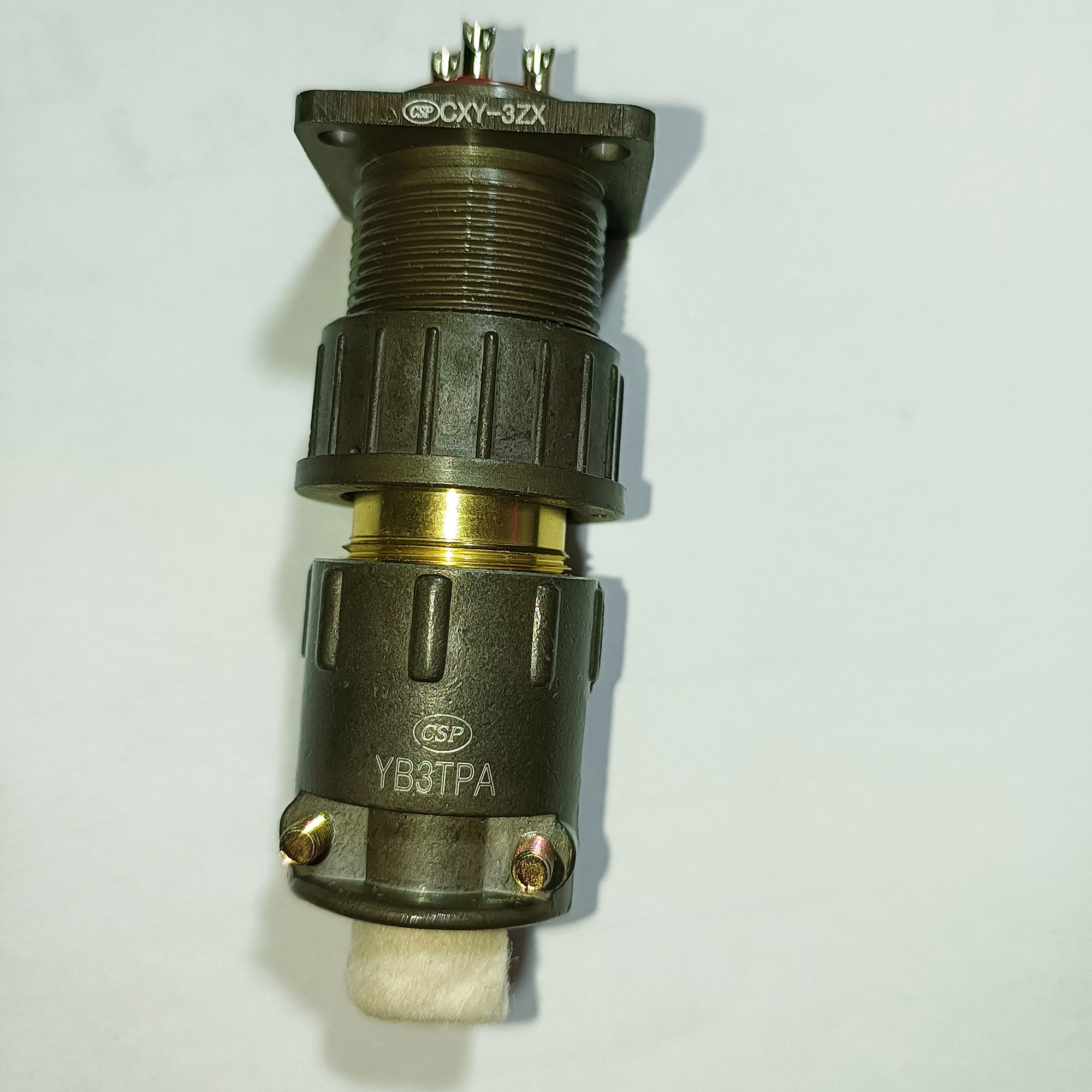
Procurement Priorities: 5 Key Concerns from Russian & CIS Systems Integrators
For integrators in Russia and the CIS region, component selection is driven by system-level performance and long-term sustainability:
- Interface Control Documentation (ICD) Completeness: Suppliers must provide exhaustive ICDs detailing mechanical dimensions, electrical interfaces (pinouts, signal characteristics), data protocols, and environmental requirements for seamless integration of components like Aviation Sensors into the vehicle's backbone.
- EMC/EMI Pre-compliance Data & Support: Prior validation that a component (e.g., a Military Aviation Relay or motor controller) meets relevant EMI/EMS limits, reducing system-level testing risks and costly redesigns.
- Environmental Qualification as a Subsystem: Evidence that the component has been tested and qualified not just as a standalone item, but in a representative configuration with its typical wiring, mounting, and adjacent components that affect its thermal and vibrational performance.
- Software & Firmware Integration Support: For intelligent components, access to API documentation, software drivers, and configuration tools is as important as hardware. This is critical for integrating smart power management units into a High quality Aviation Engine control system.
- Lifecycle Support & Technology Insertion Paths: Clear roadmaps for component upgrades and technology insertion that maintain interface compatibility, ensuring the platform can evolve without requiring a complete system redesign, vital for long-lifecycle Train and naval platforms.
YM's Integration-Ready Design and Manufacturing Philosophy
We design components with the integrator in mind. Our factory scale and facilities include a dedicated Systems Integration & Validation Lab. This lab allows us to prototype and test complete sub-assemblies—such as a custom power distribution panel combining our Aviation Fuses, Contactors, and Relays—under simulated operational environments before delivery, de-risking your integration phase.

This capability stems from our R&D team and innovation成果 focused on Design for Integration (DFI). Our engineers employ model-based systems engineering (MBSE) tools to create digital twins of components, predicting their interaction with system power supplies and data buses early in the design phase. This has led to patented packaging designs that minimize crosstalk and standardized communication modules across our sensor and meter product lines.
Step-by-Step: A Framework for Successful Military Component Integration
A disciplined integration process minimizes late-stage problems. Follow this high-level framework:
- Requirements Analysis & ICD Development:
- Clearly define mechanical, electrical, environmental, and data interface requirements for each component, such as an Aircraft Contractor.
- Co-develop and agree on ICDs with the component supplier as a living document.
- Design & Analysis Phase:
- Conduct 3D CAD integration checks for fit and maintainability.
- Perform system-level electrical load analysis and power quality simulations to ensure compatibility.
- Analyze thermal and vibration profiles at the component's installed location.
- Prototyping & Subsystem Testing:
- Build a integration prototype or "brassboard" of critical circuits.
- Test the subsystem (e.g., an engine starter circuit with Military Aviation Relays and sensors) for basic functionality and EMC in a controlled lab setting.
- System Integration & Qualification: Install qualified subsystems into the platform prototype and commence full system-level environmental and functional testing per standards like MIL-STD-810 and DO-160.
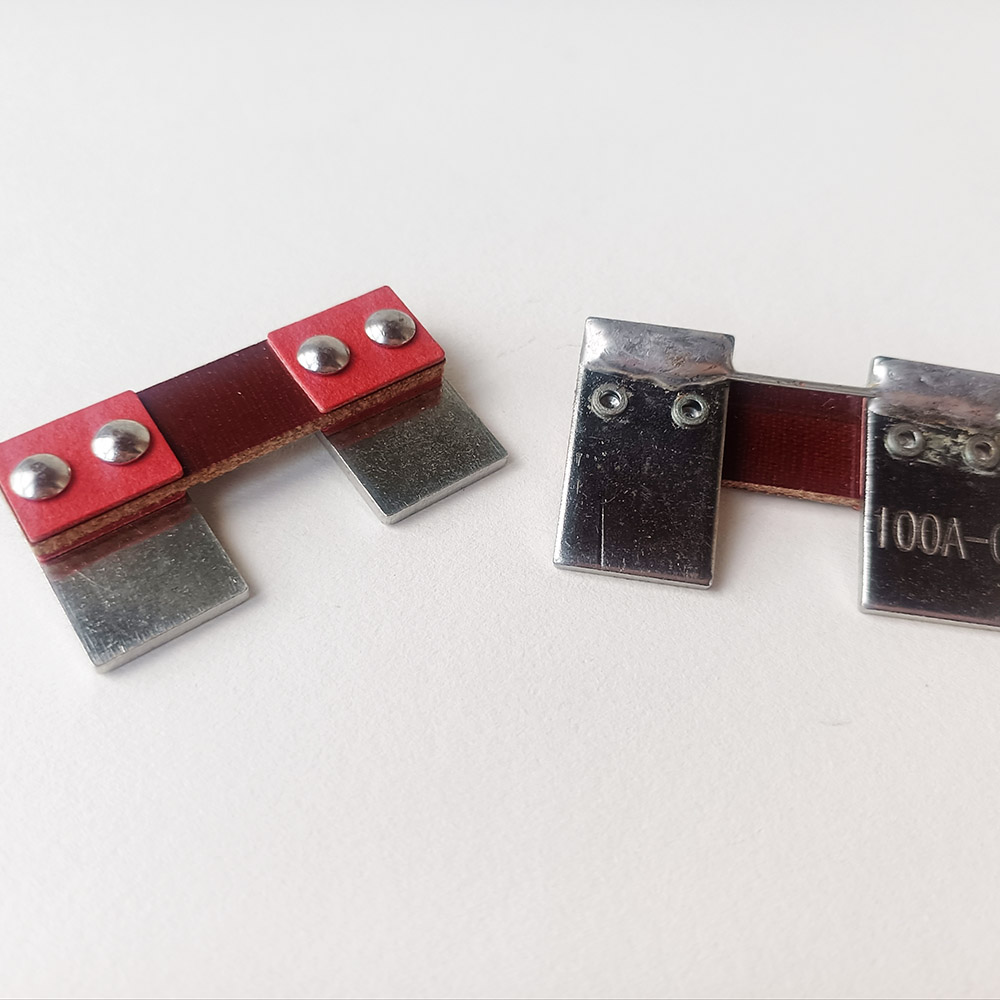
Industry Standards: The Language of Integration
Critical Standards for Systems Integration
Successful integration requires a common technical language defined by these standards:
- MIL-STD-461: Requirements for the Control of Electromagnetic Interference Characteristics of Subsystems and Equipment. The bible for EMC integration.
- MIL-STD-810: Environmental Engineering Considerations and Laboratory Tests. Defines the conditions the integrated system must survive.
- SAE AS94900 (VICTORY): Standard for vetronics (vehicle electronics) integration in ground vehicles, promoting interoperability.
- ARINC 429, 664 (AFDX), 825 (CAN): Key avionics data bus standards. Components with digital outputs must conform to these protocols.
- ISO 26262 (Adapted) / MIL-STD-882: Safety standards. Increasingly, integrators require components to have a defined Safety Integrity Level (SIL) or similar assessment, especially for Aircraft Engine and flight control functions.
Industry Trend Analysis: The Rise of COTS/MOTS and Cyber-Physical Security
Two dominant trends are shaping integration: The increased use of Commercial-Off-The-Shelf/Modified-Off-The-Shelf (COTS/MOTS) components to reduce cost and accelerate development, requiring careful "militarization" through additional testing and packaging. More critically, cyber-physical security is now an integration requirement. Components with firmware or network interfaces, including smart Aviation Meters for Drones, must be designed with security in mind (e.g., secure boot, encrypted updates) to protect the larger platform from cyber threats, as mandated by standards like NIST SP 800-171 and DoD's CMMC.

Frequently Asked Questions (FAQ) for Systems Integrators and Procurement
Q1: What is the most common integration challenge you see with power components like contactors and relays?
A: In-rush Current and Back-EMF are the top issues. The high in-rush current of motors or transformers can weld Aircraft Contractor contacts, while the back-EMF from inductive loads (like relay coils) can cause voltage spikes damaging to sensitive Aviation Sensors. Integration requires proper sizing, snubber circuits, and sometimes staged power-up sequences. Our application notes provide detailed guidance for these scenarios.
Q2: Can you provide integrated LRUs (Line Replaceable Units) instead of discrete components?
A: Yes. A core OEM/ODM service is designing and manufacturing custom LRUs. We can deliver a fully tested, qualified black box that combines our Aviation Fuses, relays, sensors, and custom PCBAs into a single, sealed unit with one connector, dramatically reducing your integration workload and improving reliability.
Q3: How do you handle configuration management for components across multiple platforms and variants?
A: We employ a rigorous Configuration Management (CM) system per EIA-649. Each component variant (even with a single different resistor) has a unique part number, and all changes are managed through formal Engineering Change Proposals (ECPs). This ensures traceability and prevents integration errors due to undocumented changes.
Q4: What support do you offer during the system-level qualification testing phase?
A: We provide on-site or remote technical support. If a failure occurs during system test, our engineers can help determine if it's a component application issue or a broader system interaction problem. We also supply "golden units" known to meet spec for use as reference during troubleshooting of the integrated system.
References & Technical Sources
- Defense Acquisition University. (2021). Systems Engineering Fundamentals. Fort Belvoir, VA: Defense Acquisition University Press.
- U.S. Department of Defense. (2020). MIL-STD-461G: Requirements for the Control of Electromagnetic Interference Characteristics of Subsystems and Equipment.
- The Open Group. (2023). Sensor Open Systems Architecture (SOSA)™ Reference Architecture, Edition 2.0. Retrieved from: www.opengroup.org/sosa
- SAE International. (2022). AS94900: Vehicle Interface for Tactical Combat and Training Systems (VICTORY) Architecture Standard.
- Wikipedia contributors. (2024, February 12). "Modular open systems architecture." In Wikipedia, The Free Encyclopedia. Retrieved from: https://en.wikipedia.org/wiki/Modular_open_systems_architecture
- Embedded Computing Design Forum. (2023, December). Thread: "Real-world challenges in meeting MIL-STD-461 for ground vehicle systems." [Online Technical Discussion].


