
Send Message
Privacy statement: Your privacy is very important to Us. Our company promises not to disclose your personal information to any external company with out your explicit permission.

For defense procurement managers, the true test of a component lies not in its standalone specifications, but in how it performs within a complex, interconnected system. Military System Integration Training knowledge is critical for sourcing decisions that ensure Military Aviation Contactors, Aircraft Engine sensors, and avionics modules work seamlessly together under extreme conditions. This guide provides a framework for evaluating suppliers and components based on their integration readiness, reducing program risk and ensuring platform-level performance for manned aircraft, drones, and ground systems.
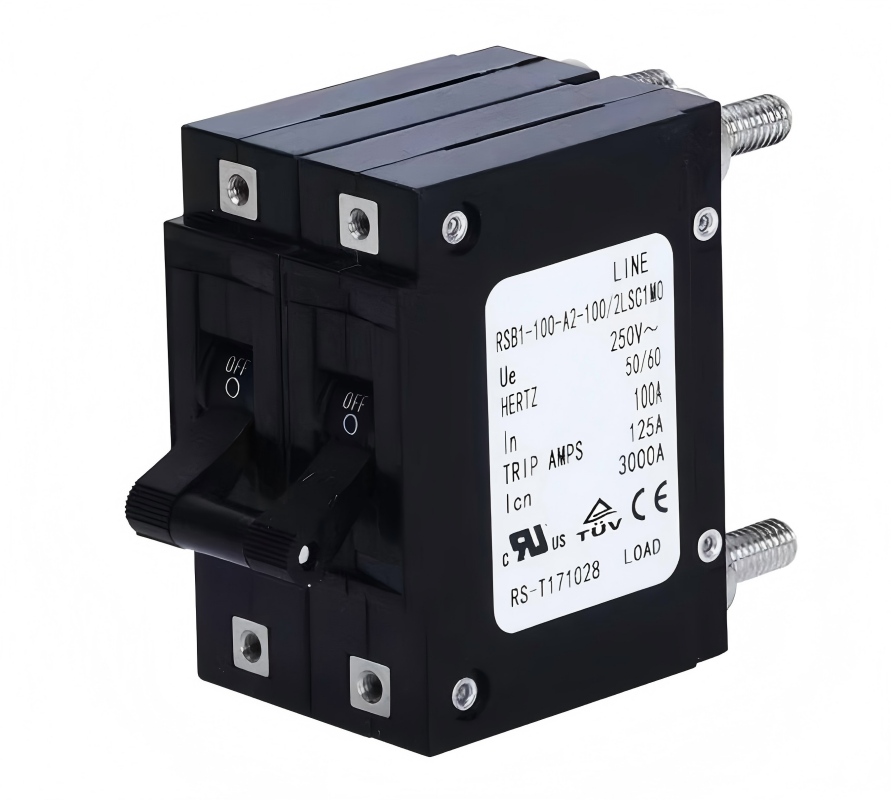
Up to 40% of development cost overruns and delays in defense programs stem from integration issues. By understanding integration challenges upfront, procurement can select components designed for interoperability, demand comprehensive interface documentation, and partner with suppliers capable of supporting the integration phase—turning a potential liability into a competitive advantage.
Integrating Military Aviation Contactors and Aviation Fuses into a modern More Electric Aircraft (MEA) architecture requires meticulous planning.
Modern platforms rely on data from dozens of sensors feeding into a central computer. Integrating an Aircraft Engine vibration sensor or an Aviation Meter for Drone requires more than just physical mounting.

A High Quality Aviation Engine bay or an enclosed drone avionics pod is a harsh thermal environment.
Driven by U.S. DoD mandates like Modular Open Systems Approach (MOSA), the industry is shifting towards vendor-agnostic, interoperable systems. This places a premium on components with published, standardized interfaces (e.g., conforming to SOSA™, CMOSS, or FACE technical standards). Procurement must now ask: Is this Aviation Sensor or display unit compliant with relevant OSA standards?
Integration is no longer just about electrical and mechanical fit. Every new component, especially those connected to the platform's network, is a potential cybersecurity vulnerability. Integration training must now encompass cyber-resilience—verifying that a component doesn't introduce attack vectors and that its data streams are authentic and secure.
YM's R&D investment is strategically aligned with these trends. Our team, which includes architects with experience in major defense avionics programs, designs our next-generation contactors and sensor interfaces with OSA principles in mind. We provide not just components, but comprehensive Interface Control Documents (ICDs) and support for security audits, reducing integration labor for our clients.
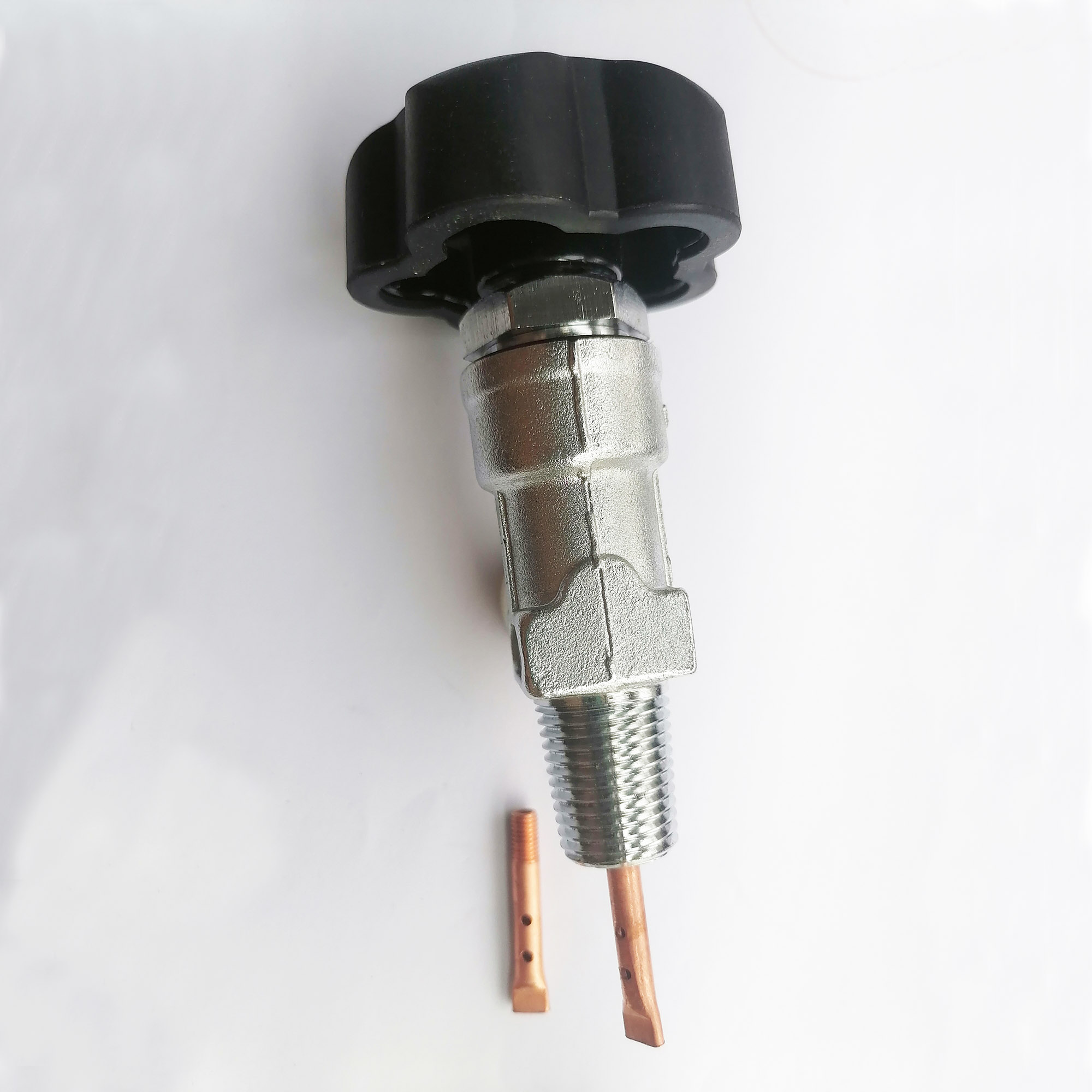
When sourcing for integration into Russian platforms, these factors are critically assessed:
Successful integration relies on adherence to universal "languages." Key standards include:
YM's integrated manufacturing campus includes a dedicated System Integration Validation Lab. This facility allows our engineers to prototype and test our components on operational MIL-STD-1553 and ARINC 429 data buses alongside other common avionics, ensuring they arrive at our customer's facility with proven interoperability, reducing integration risk.
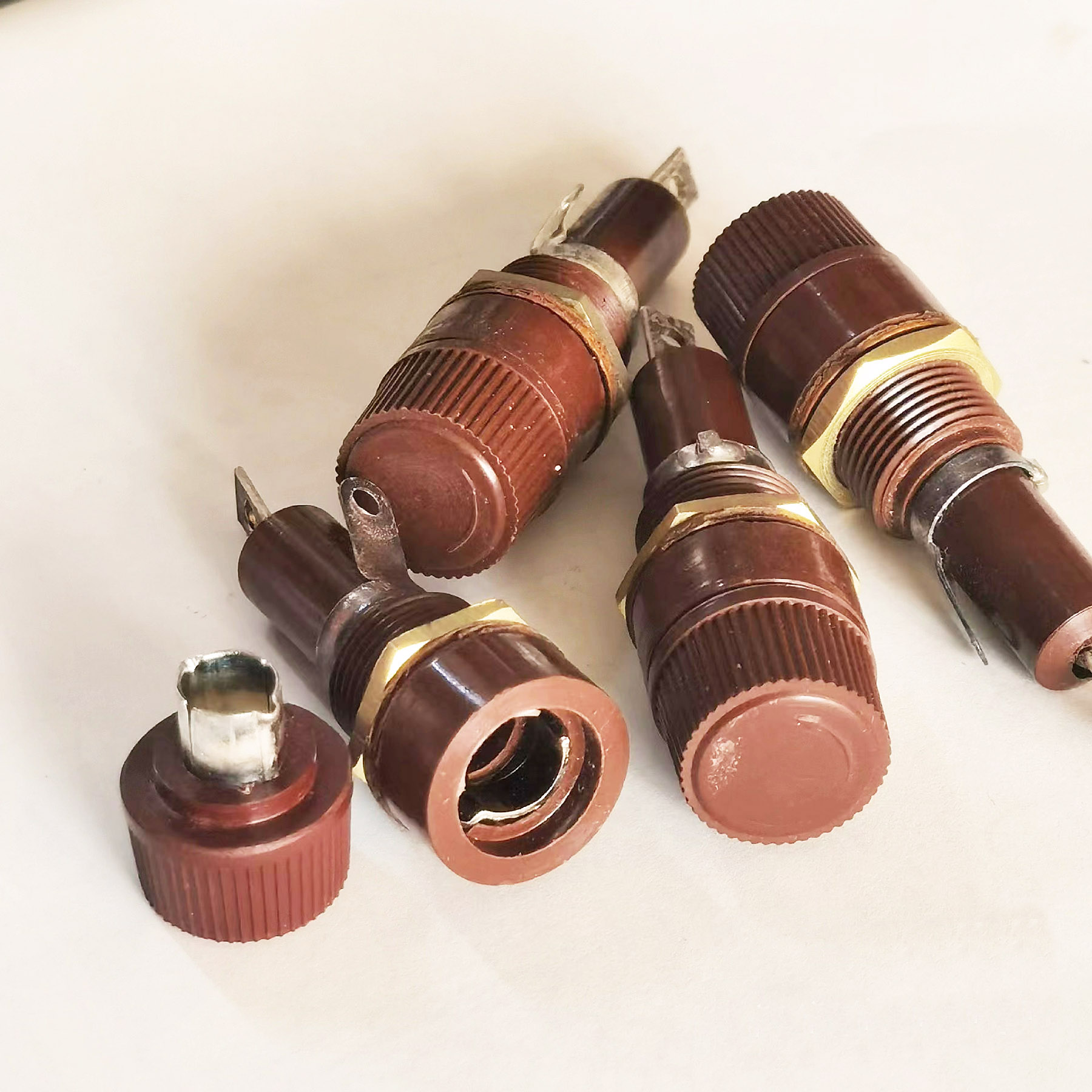
Assess a component supplier's integration capability using this checklist:
A: Incomplete or inaccurate interface definition. Assumptions about pin-outs, voltage levels, data formats, or timing that are not documented and agreed upon by all parties inevitably lead to rework. This is why demanding a comprehensive ICD is the procurement manager's first line of defense.
A: It's equally critical but scoped differently. Focus on the integration of the core subsystems: power distribution (Aviation Fuses, relays), flight control sensors, and the data link. Choose suppliers who provide "plug-and-play" modules with clear APIs and support, rather than discrete components that require significant internal engineering to interconnect.
A: Engine control units (ECUs) are often safety-critical, real-time systems with extremely tight latency requirements and robust redundancy needs. Integration involves not just data buses, but direct, high-integrity analog and digital links to fuel controls, ignition, and sensors. Suppliers must demonstrate compliance with stringent standards like DO-178C (software) and DO-254 (hardware).
A: Absolutely. A Military Aviation Relay may meet all its individual performance specs (MIL-PRF-6106) but lack the built-in diagnostic feedback or form factor needed for easy integration into a modern health management system. Compliance is the baseline; integration-friendly design is the value-add.


March 17, 2026

December 12, 2025

December 12, 2025

December 12, 2025
Email to this supplier
March 17, 2026
December 12, 2025
December 12, 2025
December 12, 2025
Contact

Send Inquiry
Related Products List
Privacy statement: Your privacy is very important to Us. Our company promises not to disclose your personal information to any external company with out your explicit permission.
Fill in more information so that we can get in touch with you faster
Privacy statement: Your privacy is very important to Us. Our company promises not to disclose your personal information to any external company with out your explicit permission.