
Military Vehicle Electronics Integration Guide: Building Robustness into Modern Defense Platforms
Modern military vehicles are complex electronic ecosystems where system reliability directly impacts mission success and crew survivability. For B2B procurement managers and systems integrators serving the defense sector—from global distributors to specialized OEM/ODM manufacturers—successful integration of electrical components is a critical engineering discipline. This guide provides a comprehensive framework for integrating core components such as military Aviation Contactors (adapted for ground vehicles), aviation relays, aviation fuses, sensors, and meters, focusing on the unique environmental and operational demands of land-based defense platforms.
Core Integration Principles for Harsh Environments
Military vehicle electronics must operate reliably under conditions far more severe than commercial applications. Integration must be approached with these core principles in mind: Environmental Hardening, Electromagnetic Compatibility (EMC), Power Integrity, and Maintainability Under Duress.
1. Power Distribution & Switching: The Backbone of Reliability
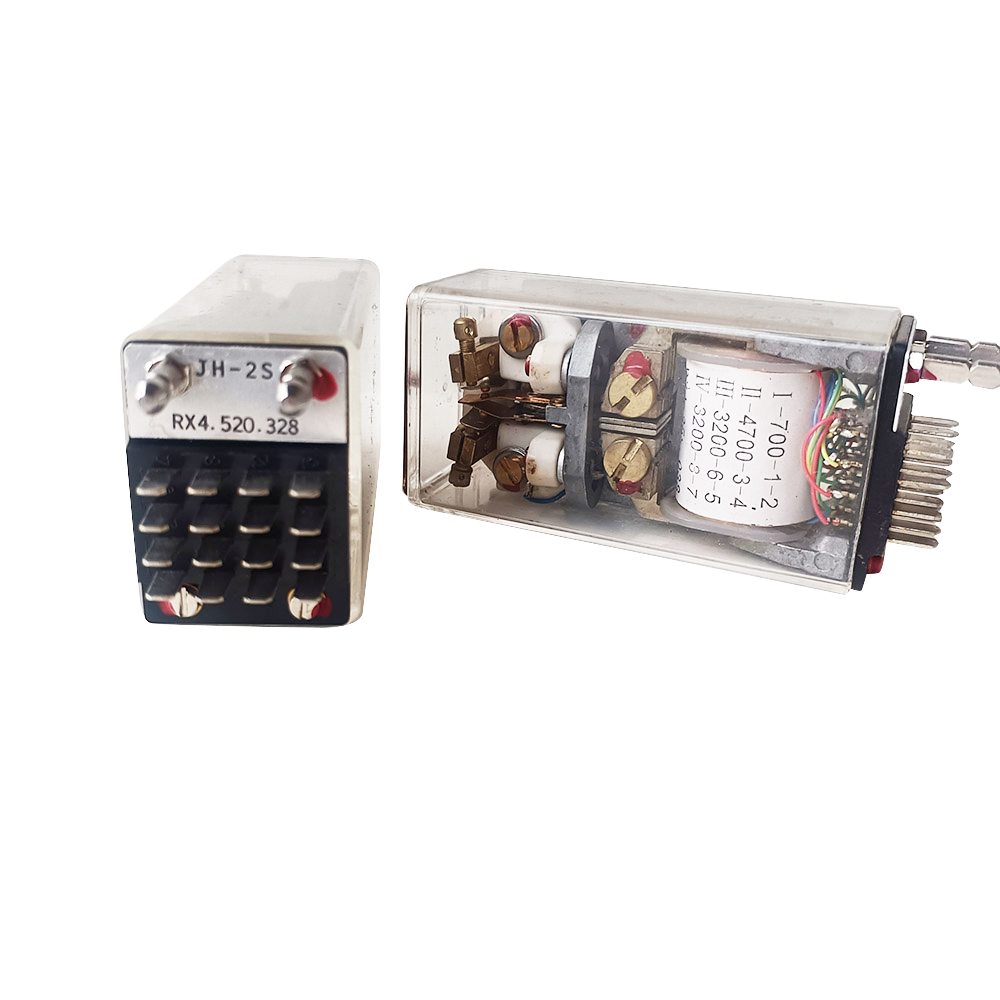
Heavy-duty military aviation contactors (repurposed and ruggedized for ground vehicle use) manage primary power from generators or batteries to critical loads like drive systems and weapon stations. Their integration requires focus on vibration resistance, splash-proof sealing, and arc suppression in 28VDC or higher voltage systems. Aviation relays handle secondary circuits for lighting, communication gear, and sensors. A critical integration task is ensuring the coordination between master contactors and slave relays for staged power-up sequences and emergency load shedding.
2. Protection: Fuses and Circuit Management
Aviation fuses and military-grade circuit breakers provide vital overcurrent protection. Integration involves creating a selective coordination scheme so that a fault in a non-critical system (e.g., a comfort fan) doesn't disable a vital system (e.g., a battlefield management computer). Fuse and breaker panels must be easily accessible yet protected from shock, moisture, and dust ingress—a key lesson from adapting Aviation Fuse technology for ground-based applications in armored personnel carriers and command vehicles.
3. Sensing & System Intelligence: The Vehicle's Nervous System
Aviation Sensors for temperature, pressure, vibration, and current, along with aviation meters, transform the vehicle into a data-rich platform. Integrating these components involves securing accurate placement (e.g., temperature sensors on transmission housings), implementing robust signal conditioning to filter out noise from generators and radios, and ensuring data buses (like MIL-STD-1553 or Ethernet) are properly terminated and shielded. The data from these sensors enables predictive maintenance and real-time system health monitoring, concepts borrowed from high quality aviation engine management.

Latest Industry Technology Dynamics: The Vetronics Revolution
The field of Vehicle Electronics (Vetronics) is rapidly evolving, driven by the need for greater connectivity, autonomy, and power efficiency.
- Integrated Modular Vetronics (IMV) Architecture: Mirroring aviation's IMA, this approach uses common computing resources to host multiple functions (fire control, diagnostics, communications) on shared hardware, reducing weight, volume, and wiring complexity. This increases the importance of robust aviation relays and contactors in the power distribution layers that feed these modules.
- High-Voltage Onboard Power Systems (440V+): For future electric/hylectric drive vehicles and high-power directed energy weapons, systems are moving to high-voltage DC. This demands a new generation of components, including high-voltage aviation contactors and specialized protection devices capable of interrupting DC arcs at these potentials.
- Cyber-Physical Security Integration: Electronic components are no longer isolated. Integration must now include hardware-level cybersecurity measures to protect aviation sensors and control networks from tampering or jamming, ensuring system integrity in contested environments.
- Condition-Based Maintenance Plus (CBM+): Advanced integration of sensor data with AI/ML algorithms allows for predicting failures before they occur. This transforms the role of a simple aviation meter into a node in an intelligent health management network.
Procurement Focus: 5 Key Integration Concerns for Russian & CIS Defense Buyers
Defense procurement in Russia and the CIS states is characterized by stringent requirements for interoperability, survivability, and local support. Key integration concerns include:
- Full Compliance with GOST RV and Military Standards: Components must not only meet basic specs but have full certification for integration into Russian platform architectures. This includes specific environmental test profiles (GOST R 52931 for vibration, GOST R 51318 for EMC) that often exceed Western commercial standards.
- Electromagnetic Pulse (EMP) and HEMP Hardening: In addition to standard EMC, systems must demonstrate resilience against high-altitude electromagnetic pulse threats. This requires specific grounding, shielding, and component-level hardening strategies for Military Aviation Relays and control units.
- Interoperability with Legacy and New Platforms (System Integration Kits): Suppliers that can provide component suites pre-validated to work with common Russian vehicle communication protocols (like Ethernet-based but specialized formats) and power systems are highly valued. The ability to supply "drop-in" upgrade kits is a major advantage.
- Extended Temperature Performance and Cold-Start Reliability: Components must be guaranteed to operate from -50°C to +70°C, with special consideration for lubrication, seal elasticity, and battery performance in Arctic conditions. This is a critical test for any Aviation Sensor or contactor adapted for ground use.
- Localized Technical Data and In-Country Support for Field Maintenance: Complete technical documentation (schematics, integration manuals, fault trees) in Russian is mandatory. The presence of in-country technical representatives or authorized repair depots for complex components is often a contractual requirement for major programs.

YM's Defense Integration Capability: From Component to Subsystem
Meeting these rigorous demands requires a vertically integrated approach. YM's defense and vehicle systems division operates within a secure, 180,000 square meter facility with dedicated production lines for militarized versions of our core components. We produce hardened military aviation contactors with sealed solenoid housings, aviation relays with conformally coated PCBs, and sensor assemblies rated for extreme off-road vibration. Our defense-specific R&D team works closely with platform integrators. A key innovation is our modular shock-isolated power distribution unit (PDU) frame, which allows pre-integrated arrays of contactors, fuses, and terminal blocks to be installed as a single, vibration-damped unit, drastically improving reliability in tracked vehicles.
Step-by-Step Integration and Verification Protocol
A disciplined integration process is non-negotiable for military reliability. Follow this structured approach:
- Requirements Analysis & Interface Control:
- Define all power, signal, data, and mechanical interfaces for each component (contactor, relay, sensor, fuse).
- Create an Interface Control Document (ICD) that is agreed upon by all suppliers and integrators.
- Environmental Hardening & Layout:
- Mount components using shock-absorbing isolators where specified.
- Locate sensitive electronics away from heat sources (engine, exhaust) and high-current cables.
- Ensure all connectors are environmentally sealed (MIL-DTL-38999 series are common).
- Wiring Harness Design & Installation:
- Use MIL-SPEC wire (e.g., M22759) with appropriate temperature and abrasion ratings.
- Separate high-power, low-level signal, and data cables. Use twisted pairs and shielding for sensitive signals from aviation sensors.
- Implement a single-point grounding scheme at the vehicle chassis to minimize ground loops.
- System-Level Testing (Incremental):
- Continuity & Insulation Tests: Check for shorts and opens.
- Power-On & Functional Test: Apply power in stages, verifying operation of each Aviation Relay and contactor sequence.
- EMC/EMP Testing: Perform radiated emissions and susceptibility tests per MIL-STD-461.
- Environmental Stress Screening: Subject integrated subsystems to temperature cycling and vibration profiles.
- Documentation & Field Support Package:
- Deliver as-built wiring diagrams, test reports, and a comprehensive troubleshooting manual.
- Provide labeled spare parts kits, including critical aviation fuses and relay modules.

Governance by Military and Vehicle Standards
Integration is governed by a distinct set of standards that ensure battlefield reliability.
- MIL-STD-810: Environmental Engineering Considerations and Laboratory Tests. The bible for shock, vibration, temperature, humidity, and sand/dust testing.
- MIL-STD-461: Requirements for the Control of Electromagnetic Interference Characteristics of Subsystems and Equipment.
- MIL-STD-1275: Characteristics of 28 Volt DC Electrical Systems in Military Vehicles. Defines the often harsh electrical environment that contactors and relays must survive (voltage spikes, surges).
- MIL-STD-882: System Safety. Guides the safety assessment process for integrated systems.
- AS9100 & NATO AQAP Standards: YM's quality management is aligned with the highest defense industry benchmarks. Our processes for design, manufacturing, and testing of militarized components ensure they meet the exacting requirements for integration into allied and partner-nation platforms.
Frequently Asked Questions (FAQ)
Q1: Can commercial aviation-grade components be directly used in military vehicles?
A: Generally, no, not without modification and requalification. While the core technology (e.g., of an aviation relay) may be similar, military vehicle environments involve different vibration spectra (more low-frequency shock), wider temperature ranges, higher exposure to contaminants (mud, sand), and different electrical transients (per MIL-STD-1275). Components must be specifically selected or redesigned from their aviation base and qualified to the relevant military ground vehicle standards.
Q2: What are the key considerations for integrating electronics in amphibious or deep-fording vehicles?
A: Amphibious operation adds a layer of complexity:
• Sealing: All enclosures, connectors, and vent plugs must be rated for temporary immersion (IP67/IP68).
• Corrosion: Use of stainless steel hardware, advanced conformal coatings, and corrosion-inhibiting compounds is critical.
• Pressure Equalization: For sealed units, consider integrated breather/drain valves to manage pressure changes during water entry/exit.


