
Military vs Commercial Aviation Components: A Procurement Guide for B2B Buyers
For B2B procurement managers across distributors, manufacturers, and OEM/ODM entities, understanding the critical distinctions between military and commercial aviation components is not just academic—it's a fundamental aspect of sourcing decisions that impact safety, compliance, cost, and supply chain resilience. While both spheres share the uncompromising goal of safety, their operational environments, regulatory frameworks, and performance requirements create a complex landscape for component specification and procurement.
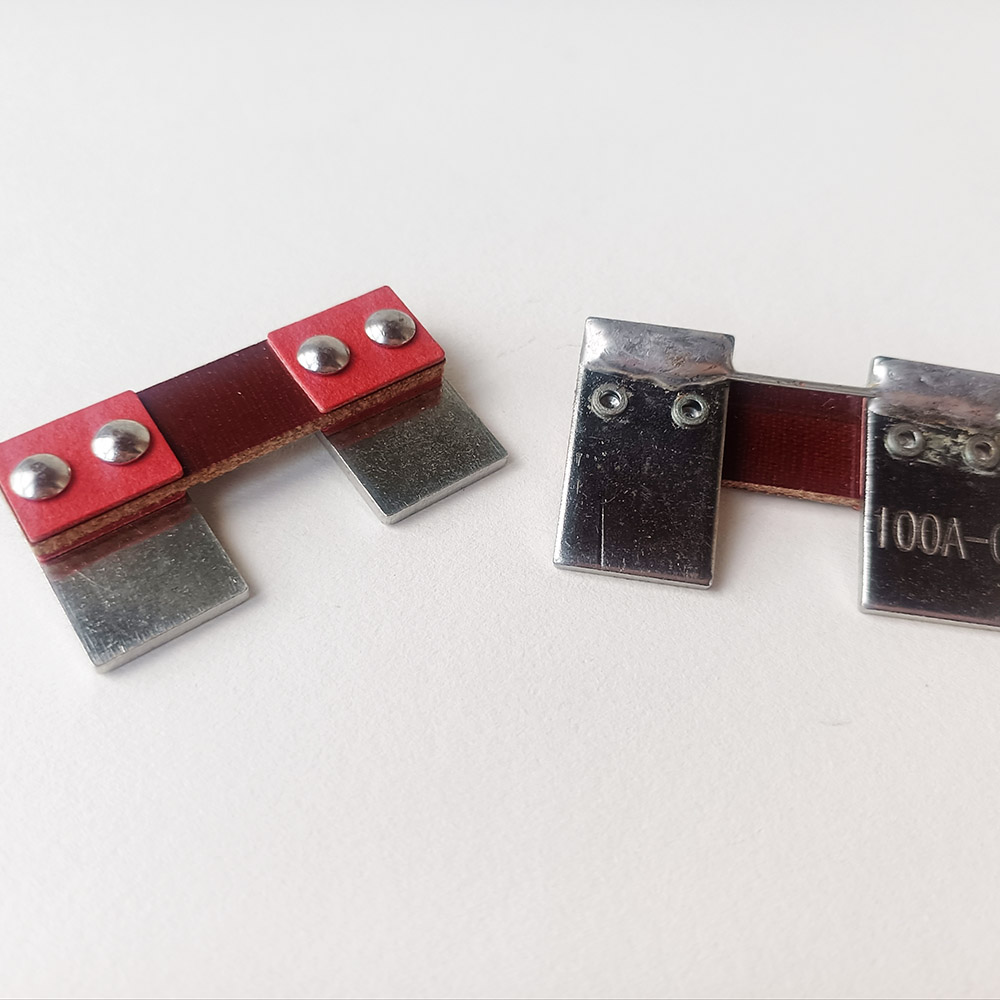
Decoding the Divide: Performance and Specification Benchmarks
The core divergence lies in the mission profile. Commercial aviation prioritizes fuel efficiency, passenger comfort, and high-cycle durability over decades of service. Military aviation, conversely, demands components that withstand extreme conditions—from rapid maneuvers and electromagnetic warfare to operations in arid deserts or frigid altitudes.
Key Differentiating Factors:
- Certification & Standards: Commercial parts primarily follow FAA (FAA) or EASA (EASA) regulations under strict processes like PMA. Military components adhere to standards like MIL-SPEC (Military Specification), often involving more rigorous environmental and stress testing.
- Environmental Tolerance: A Military Aviation Contactor must perform under severe vibration, shock, and wider temperature ranges (-55°C to +125°C is common) compared to its commercial counterpart. Similarly, a Military Aviation Relay is built to resist sand, dust, moisture, and corrosive agents at levels beyond typical commercial needs.
- Supply Chain & Longevity: Military programs often require components with guaranteed production and support lifespans spanning 30-50 years, influencing design and material choices.
Procurement Priorities: What International Buyers Must Evaluate
Strategic sourcing in this sector requires a multi-faceted evaluation beyond just price. Here are the critical lenses through which savvy procurement managers assess suppliers and components.
For All Procurement Managers (OEM/ODM, Distributors, Manufacturers):
- Traceability and Documentation: Complete cradle-to-grave documentation, including material certs (CMTR), test reports, and manufacturing process history, is non-negotiable, especially for Aircraft Engine components and flight-critical parts.
- Certification Compliance: Verifying adherence to the correct regulatory body (FAA/EASA for commercial, MIL-SPEC/DFARS for defense) is the first step. Does the supplier hold necessary approvals?
- Total Cost of Ownership (TCO): Evaluate mean time between failures (MTBF), maintenance requirements, and interoperability. A High quality Aviation Engine sensor might have a higher upfront cost but dramatically lower lifecycle costs due to reliability.
- Technological Obsolescence Management: For long-term projects, a supplier's ability to manage component lifecycle and offer form-fit-function replacements is crucial.
- Supply Chain Security and Resilience: Geopolitical factors and raw material sourcing are under increased scrutiny. Diversified, transparent supply chains are valued.
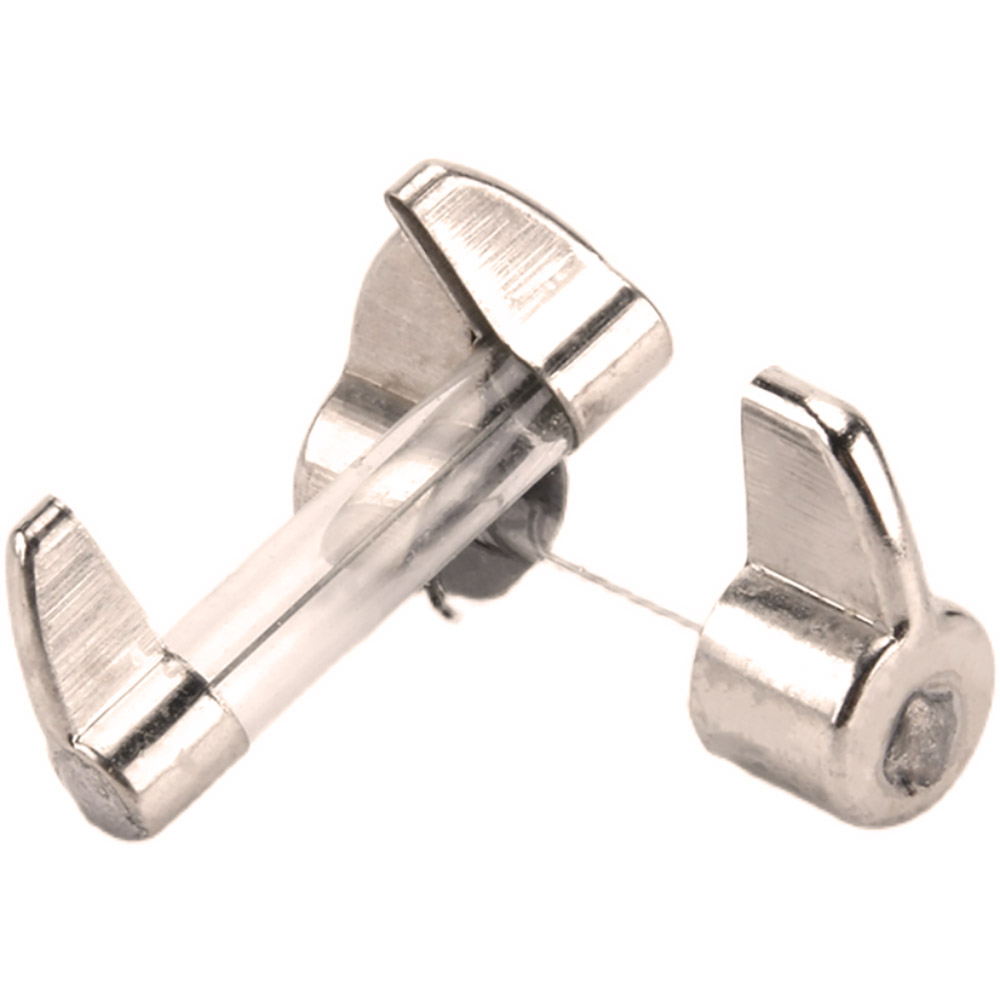
Spotlight: Critical Components in Both Arenas
Let's examine how these procurement priorities apply to specific component categories.
1. Electrical Power & Distribution
Aviation Fuse and circuit protection devices in military applications are designed for higher interrupt ratings and to withstand massive voltage spikes from weapon systems or EMP-like events. Commercial fuses focus on precise protection for passenger and avionic systems.
2. Sensing & Measurement
An Aviation Sensor in a military UAV or fighter jet measures parameters like G-force, angle of attack, or engine temperature with higher frequency response and redundancy. The same principle applies to an Aviation Meter for Drone used in commercial cargo delivery versus battlefield reconnaissance; the latter requires hardened data links and anti-jamming features.
3. Propulsion Systems
While both seek reliability, a High quality Aviation Engine for a commercial airliner optimizes for noise reduction and fuel burn. Military engine components, however, may incorporate materials for stealth (heat reduction) and features for thrust vectoring, demanding even more from Aircraft Engine sub-components like actuators and blade sensors.
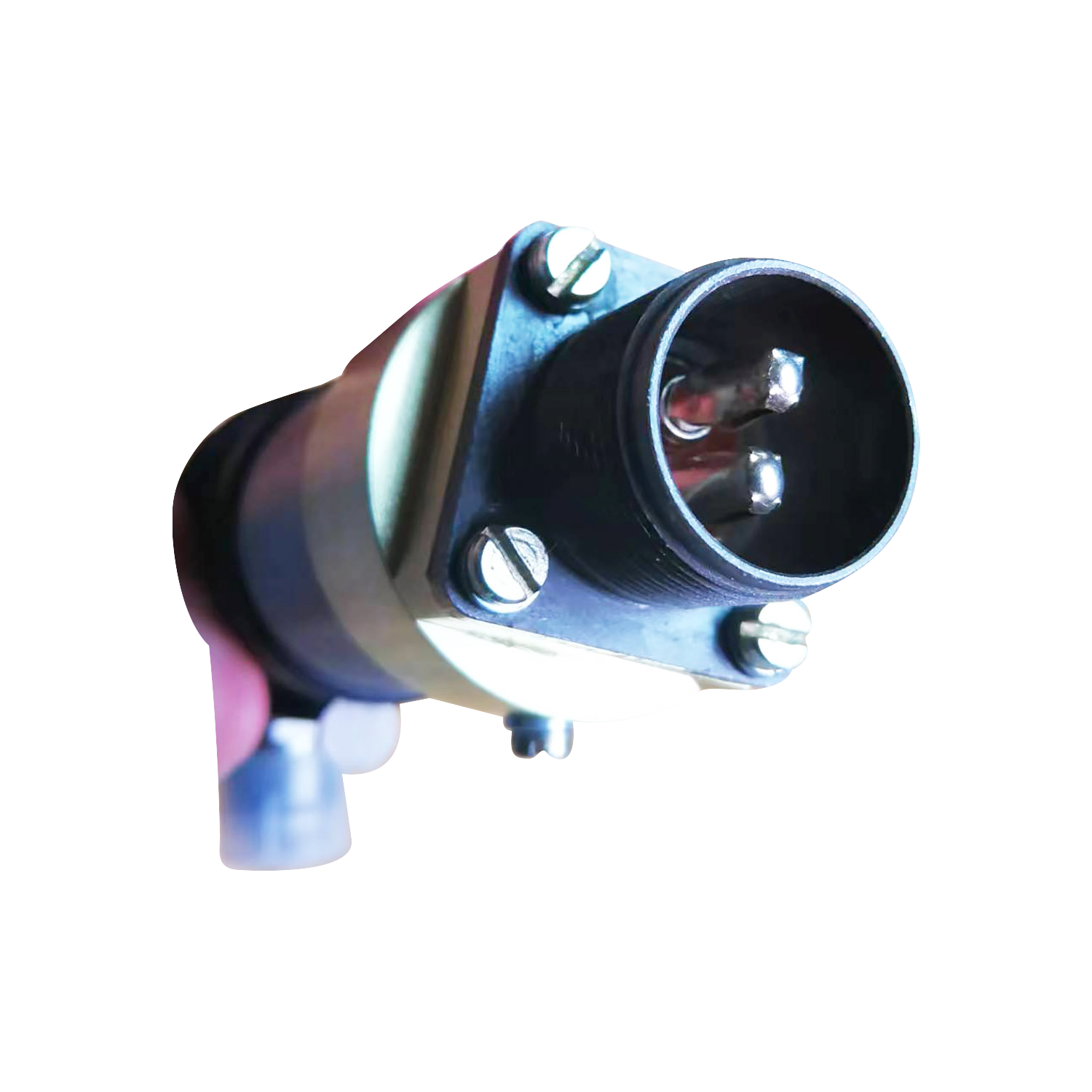
Industry Trends and Technology Dynamics
The line between military and commercial components is blurring in some areas, driven by technological and economic forces.
New Technology R&D and Application Trends
- Additive Manufacturing (3D Printing): Used for rapid prototyping and producing lightweight, complex geometries for both sectors. It's pivotal for creating obsolete parts for legacy military aircraft and optimizing brackets and ducts in new commercial planes.
- Predictive Maintenance & IoT: Sensors and data analytics are migrating from commercial "smart engines" to military platforms, predicting failures before they happen and reducing operational downtime.
- Composite Materials: Once a military-centric technology for stealth and strength, advanced composites are now standard in commercial fuselages and wings, driving demand for compatible fasteners and Aircraft Contractor systems that work with these materials.
Focus: The Russian Procurement Perspective
Procurement managers in Russia and CIS markets often emphasize these five points, shaped by local regulations and operational conditions:
- Compliance with Inter-State Aviation Committee (IAC) and local GOST standards alongside or in place of Western certifications.
- Extreme Climate Performance: Guaranteed operation in Siberia's cold or Central Asia's heat is a mandatory requirement for any Military Aviation Relay or sensor.
- Sanctions-Proof Supply Chain: Increased focus on localized production, non-Western supply alternatives, or components with full documentation to navigate trade restrictions.
- Lifecycle Cost Over Initial Price: For state-owned entities and large manufacturers, the long-term supportability of a component, like an Aviation Fuse or actuator, often outweighs the initial purchase price.
- Technical Documentation in Russian: Complete, accurately translated manuals, schematics, and certification packages are frequently a deal-breaker.
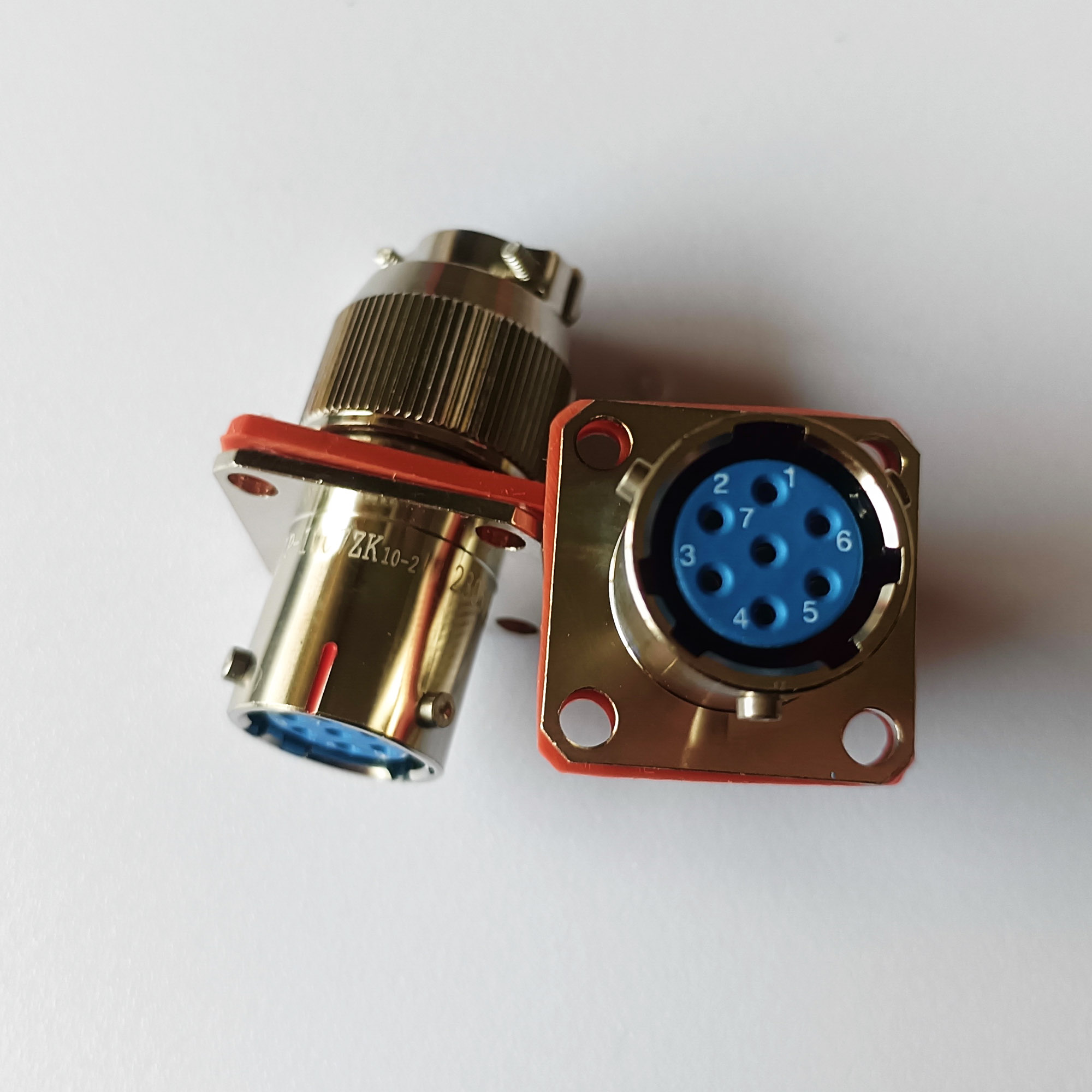
Industry Standards Knowledge Base
Navigating the alphabet soup of standards is key. Key benchmarks include:
- MIL-DTL-38999: The ubiquitous standard for high-performance circular electrical connectors in military aerospace.
- RTCA/DO-160: Defines environmental test conditions for avionics hardware, applicable to both commercial and military projects.
- AS9100: The quality management system (QMS) standard for the aerospace industry, widely expected from any serious supplier of Aviation Meter for Drone or larger components.
- NADCAP: A global cooperative accreditation program for special processes like heat treating, welding, and non-destructive testing.
YM's Commitment to Cross-Domain Excellence
At YM, we bridge the demanding worlds of military and commercial aviation through robust engineering and scalable manufacturing. Our factory facilities, spanning over 50,000 square meters, house dedicated clean rooms for sensor assembly and automated production lines for Aviation Fuse and contactor units, allowing us to meet both high-volume commercial and low-volume, high-mix military orders.
Our R&D team, comprising veterans from both aerospace sectors, drives innovation. Their work has yielded multiple patents in connector sealing technology and miniaturized Aviation sensor design, ensuring our components, from a standard Aircraft Contractor to a bespoke Military Aviation Relay, deliver reliability where it matters most.

FAQ: Military vs. Commercial Aviation Components
Q: Can a commercial-grade component be used in a military application if it meets the performance spec?
A: Rarely. Even if performance seems similar, the lack of specific MIL-SPEC certification, mandated testing protocols (like ballistic shock), and required supply chain controls usually disqualify it. The certification is as critical as the performance.
Q: Why is there such a significant cost difference for seemingly similar parts?
A: The cost delta accounts for the extensive testing (EMI, salt fog, vibration spectrum), specialized materials, lower production volumes, and the comprehensive documentation/auditing required for military approval. The economic scale of commercial aviation also drives down unit costs.
Q: How are drones changing the component landscape?
A: Drones, or UAVs, create a hybrid category. A commercial survey drone uses commercial-grade Aviation Meter for Drone systems. A military UAV requires components that blend commercial cost-efficiency with military-grade ruggedness and security, fostering new product categories.
Q: What's the first document a procurement manager should ask for?
A: Request a Compliance Matrix or a Declaration of Conformity that maps the component directly to the relevant paragraphs of the required standard (e.g., MIL-PRF-22885/ or an FAA TSO).
Usage and Maintenance Insights
Proper Handling of Electrical Components: Even the most rugged Military Aviation Contactor can be damaged by improper handling. Always use anti-static precautions, and do not break the seal on moisture-sensitive components until ready for installation. Follow torque specifications precisely for all electrical connections to prevent micro-arcing and future failure.
Storage Conditions: Maintain components in a controlled environment (temperature and humidity as per manufacturer specs, often 22±5°C, <60% RH). This is critical for preserving the reliability of Aviation Relay and fuse units before they enter service.
References & Further Reading
1. Federal Aviation Administration (FAA). (2023). Parts Manufacturer Approval (PMA) Guidance. Retrieved from FAA.gov.
2. Department of Defense (DoD). (2022). Defense Standardization Program (DSP) Policies. Retrieved from ASSIST.dla.mil.
3. McKinsey & Company. (2023). Taking flight: Technology trends transforming the aerospace industry. McKinsey.com.
4. Aviation Week Network. (2024, March 15). Blurred Lines: Commercial Technology In Military Aircraft. AviationWeek.com.
5. SAE International. (2021). AS9100D: Quality Management Systems - Requirements for Aviation, Space and Defense Organizations. Warrendale, PA.
6. A discussion on MIL-SPEC vs. Commercial Off-The-Shelf (COTS) components. (2023, October). Reddit, r/AerospaceEngineering.


