Russian vs Western Military Components: A Comparative Analysis for Global Procurement
The choice between Russian-origin and Western-origin military components represents more than a simple vendor selection—it's a decision that intersects with technology philosophy, operational doctrine, supply chain strategy, and geopolitical realities. For procurement managers evaluating critical systems like power distribution (Military Aviation Relays), sensing (Aviation Sensors), and propulsion (High Quality Aviation Engine controls), understanding these fundamental differences is essential. This comparative analysis examines the technical, regulatory, and strategic distinctions between the two ecosystems, providing a framework for informed procurement decisions.
Foundational Philosophies: Divergent Paths to Reliability
The design and manufacturing approaches of Russian and Western components stem from different historical, operational, and industrial contexts.
Western Design Philosophy:
- Performance-Optimized & Technology-Driven: Emphasis on pushing technical boundaries (e.g., miniaturization, digital integration, SWaP-C optimization). Components often leverage the latest commercial-derived technologies.
- Precision Manufacturing & Consistency: High reliance on automation, statistical process control (SPC), and tight tolerances to achieve uniformity across large production runs.
- System-Centric Integration: Components are designed as part of a broader, networked system (e.g., following MOSA, FACE standards), with emphasis on interoperability and data exchange.
Russian Design Philosophy:
- Robustness & Survivability-First: Prioritization of extreme environmental tolerance (harsh cold, heat, dust, EMI) and the ability to function after partial damage or with degraded support. This can lead to larger, heavier, but exceptionally durable designs.
- Functional Simplicity & Maintainability: Designs often favor straightforward, electromechanical solutions over complex digital ones where possible. Emphasis on field repair with basic tools and interchangeable parts across platforms.
- Platform-Specific & Doctrine-Aligned: Components are frequently designed for specific aircraft or vehicle families (e.g., Su-, MiG-, Mi- series) and are optimized for the unique performance envelope and tactical doctrine of that platform.
Technical Specifications and Standards: A Side-by-Side Look
These philosophical differences manifest in concrete technical and regulatory parameters.
1. Electrical & Power Components (Contactors, Relays, Fuses)
| Parameter | Western Typical (e.g., MIL-SPEC) | Russian Typical (e.g., GOST/OST) |
| Voltage Standards | 28VDC, 115VAC 400Hz (MIL-STD-704) | 27VDC, 115VAC 400Hz, 200VAC 400Hz (for legacy) |
| Environmental Testing | MIL-STD-810 (specific methods) | GOST R 54073-2010, with extreme focus on cold (-60°C+) and dust |
| EMI/EMC | MIL-STD-461 | GOST R 51317-99 series, often with higher emphasis on EMP/HEMP resilience |
| Construction | High-grade alloys, advanced plastics, sealed designs | Robust steel/aluminum housings, heavy-duty contacts, often over-engineered for mechanical life |
A Western Military Aviation Contactor might prioritize low weight and arc suppression with advanced materials. A Russian equivalent might use a larger, physically robust design with massive contacts to ensure reliability under vibration and after voltage spikes.
2. Sensing & Instrumentation (Sensors, Meters)
| Parameter | Western Typical | Russian Typical |
| Output & Interface | Digital (ARINC 429, AFDX, CAN), smart sensors with digital comms | Often analog (mV, mA) or simple digital pulses; digital buses (КЛС-М) are platform-specific |
| Accuracy & Calibration | High absolute accuracy, traceable to NIST, with digital trim | Emphasis on stability and repeatability over extreme temperature range; calibrated per ГОСТ |
| Environmental Rating | IP67, qualified per DO-160 | Designed for direct exposure to fluids and contaminants; "КЛИМАТ" climate versions mandated |
A Western Aviation Sensor might offer 0.1% accuracy with a digital data sheet. A Russian sensor might guarantee 0.5% accuracy but from -55°C to +125°C without drift, and be field-washable.
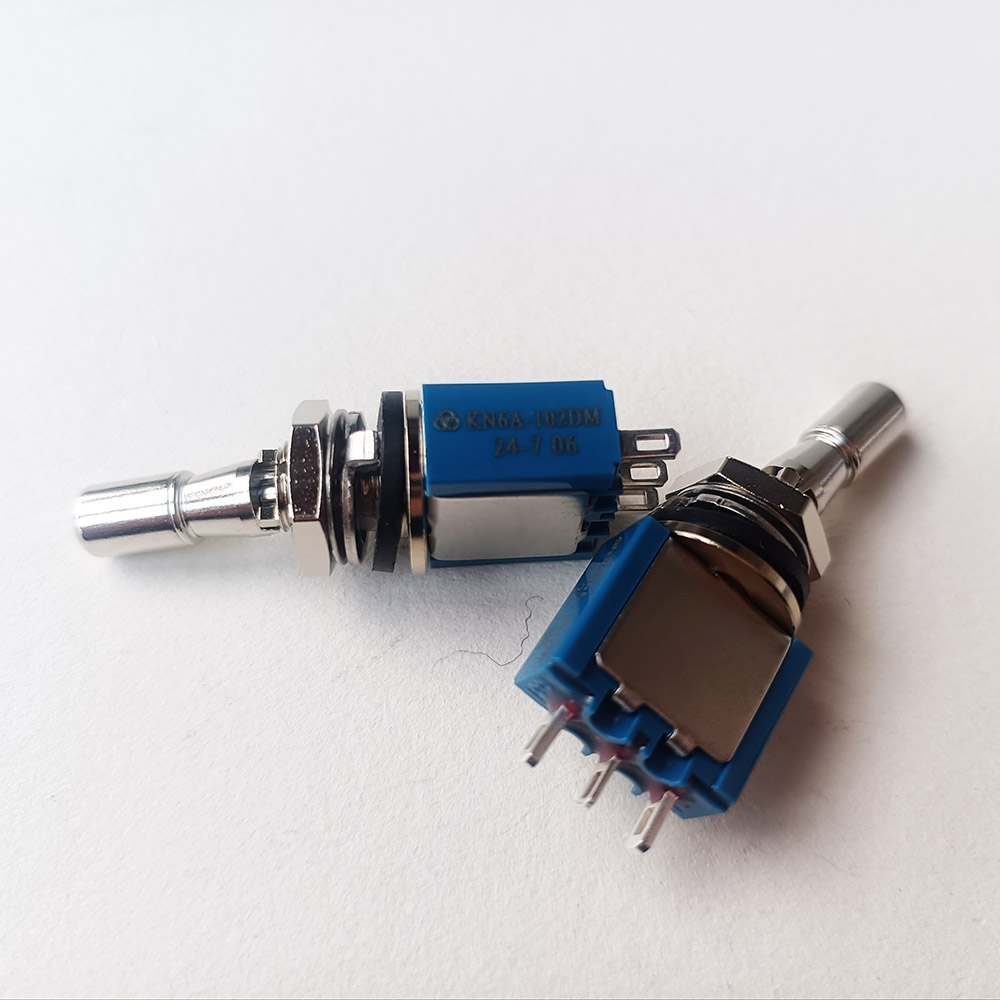
Procurement, Logistics, and Lifecycle Considerations
Beyond technical specs, the acquisition and support pathways differ drastically.
Western Ecosystem:
- Certification: FAA/EASA (civil), MIL-QPL/Performance Specs, AS9100 for manufacturing. Process is structured but can be navigated by qualified suppliers.
- Supply Chain: Globalized, multi-tiered, with robust distributor networks. Risk includes obsolescence and geopolitical concentration.
- Documentation & Support: Extensive English-language technical data (CMMs, IPC), online support portals, and established aftermarket/OEM support channels.
- Interoperability: High, due to widespread adoption of open standards (like MIL-STD-1553, Ethernet) and modular designs.
Russian Ecosystem:
- Certification: Государственный Стандарт (GOST), Отраслевой Стандарт (OST), and military acceptance (Военная Приемка). Process is opaque and deeply tied to state-owned or designated enterprises.
- Supply Chain: Historically vertically integrated within defense conglomerates (Rostec, UAC). Now focused on import substitution (Импортозамещение), leading to potential bottlenecks for newer, high-tech items.
- Documentation & Support: Technical documentation primarily in Russian/Cyrillic. Support is often direct from the factory or via state-owned trading companies (e.g., Rosoboronexport).
- Interoperability: Primarily within Russian/Soviet-platform families. Mixing with Western systems requires complex interface adapters and protocol translation.
Strategic Implications and Modern Trends
New Technology R&D and Convergence Pressures
Both ecosystems face similar global trends but respond differently:
- Digitalization & Smart Components: The West is rapidly integrating IoT, AI, and digital twins. Russia is pursuing parallel "smart" components but on sovereign data buses and with domestic chips, emphasizing security and EW resilience.
- Additive Manufacturing: Both are investing, but Western firms focus on complex geometries and weight reduction; Russian efforts are often geared towards ensuring domestic spare part production for legacy systems.
- Cybersecurity: The West emphasizes standards (NIST, DO-326A). Russia mandates compliance with ФСТЭК orders and uses domestic cryptographic standards (ГОСТ), viewing cybersecurity as inseparable from EW.
Insight: The Russian Procurement Perspective on Western Components
When Russian entities consider Western components, their evaluation is filtered through a lens of strategic necessity and risk:
- Absolute Need for Unavailable Domestic Capability: Sourced only when no Russian equivalent exists (e.g., certain high-performance semiconductor chips, specialized composite materials).
- Lifecycle Cost vs. Sovereignty Trade-off: A Western component might offer better MTBF, but reliance creates supply chain vulnerability. The long-term political risk often outweighs the technical benefit.
- Reverse Engineering & Localization Goal: Procurement is sometimes a step towards dissecting, understanding, and ultimately producing a domestic analogue, especially for high-impact items.
- Certification and Integration Hurdles: Integrating a Western Aviation Meter into a Russian cockpit requires extensive re-certification per ГОСТ and custom software interfaces, adding cost and complexity.
- Sanctions and "Friend-Shoring": Post-2014/2022, procurement is aggressively shifting to "friendly" nations (China, Belarus, Iran, India) or domestic sources, making direct Western sourcing rare and fraught with legal risk.
A Decision Framework for Global Procurement Teams
Use this structured approach when a choice between origins is possible or required:
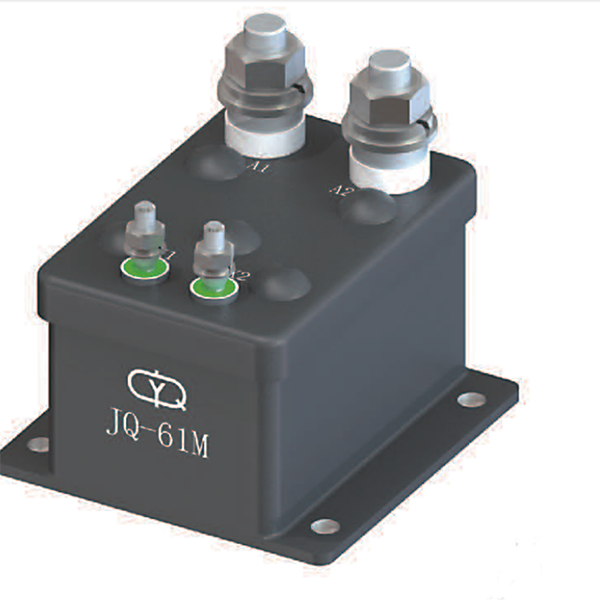
- Define the Non-Negotiable Operational Requirements:
- If the requirement is... integration into a legacy Russian platform (MiG-29 upgrade), operation in extreme Arctic conditions, or compliance with Russian military acceptance.
Then: Russian/GOST components are often the only viable path. - If the requirement is... integration into a NATO/ Western platform, maximizing SWaP-C, or accessing cutting-edge digital/network capabilities.
Then: Western/MIL-SPEC components are the default choice.
- Conduct a Total Lifecycle Cost & Risk Analysis:
- Factor in not just unit cost, but: certification effort, integration engineering, spare parts availability for 30 years, geopolitical supply chain risk, and training for maintenance crews.
- Evaluate Supply Chain Security and Resilience:
- For Western supply: audit for single points of failure and obsolescence plans. For Russian supply: assess the impact of sanctions and the financial/technical health of the state-owned enterprise.
- Plan for Integration and Interoperability:
- Budget for necessary interface modules, protocol converters, and custom software. This "glue layer" can be the most costly and complex part of a mixed-origin system.
- Consider the Third Path: Qualified Global Manufacturers:
- Manufacturers like YM, who are not bound to a single geopolitical bloc, can offer a valuable alternative. They can design to meet both MIL-STD and relevant GOST requirements, provide dual documentation, and maintain supply chains resilient to regional disruptions.

YM's Position: Bridging Standards and Delivering Unbiased Reliability
YM operates with a unique understanding of both technical paradigms. Our mission is to deliver components whose primary identity is quality and reliability, not geopolitical origin.
Manufacturing Scale and Facilities: Engineered for Global Compliance
Our production processes are designed for flexibility. We can manufacture the same core relay or sensor platform to different test and acceptance standards. For example, a lot can be tested and documented per MIL-STD-810/461 for one client, while an identical lot from the same line can be tested to GOST R 54073 and supplied with full Russian-language certification packs for another. This dual-capability is built into our quality management system (AS9100-based) and test lab accreditation.
R&D and Innovation: Adopting the Best of Both Philosophies
Our R&D takes a hybrid approach. We adopt Western advancements in materials science and digital integration to improve performance and reduce SWaP. Simultaneously, we incorporate the Russian philosophy of extreme environmental robustness. For instance, our latest "Arctic-Grade" Aviation Sensor line uses a Western-derived, high-accuracy MEMS sensing element but packages it in a hermetically sealed, cold-weather lubricated housing with connector materials validated to GOST for -65°C operation. This creates a component that is both precise and incredibly durable.
Core Standards Reference
A quick guide to the key governing standards in each ecosystem:
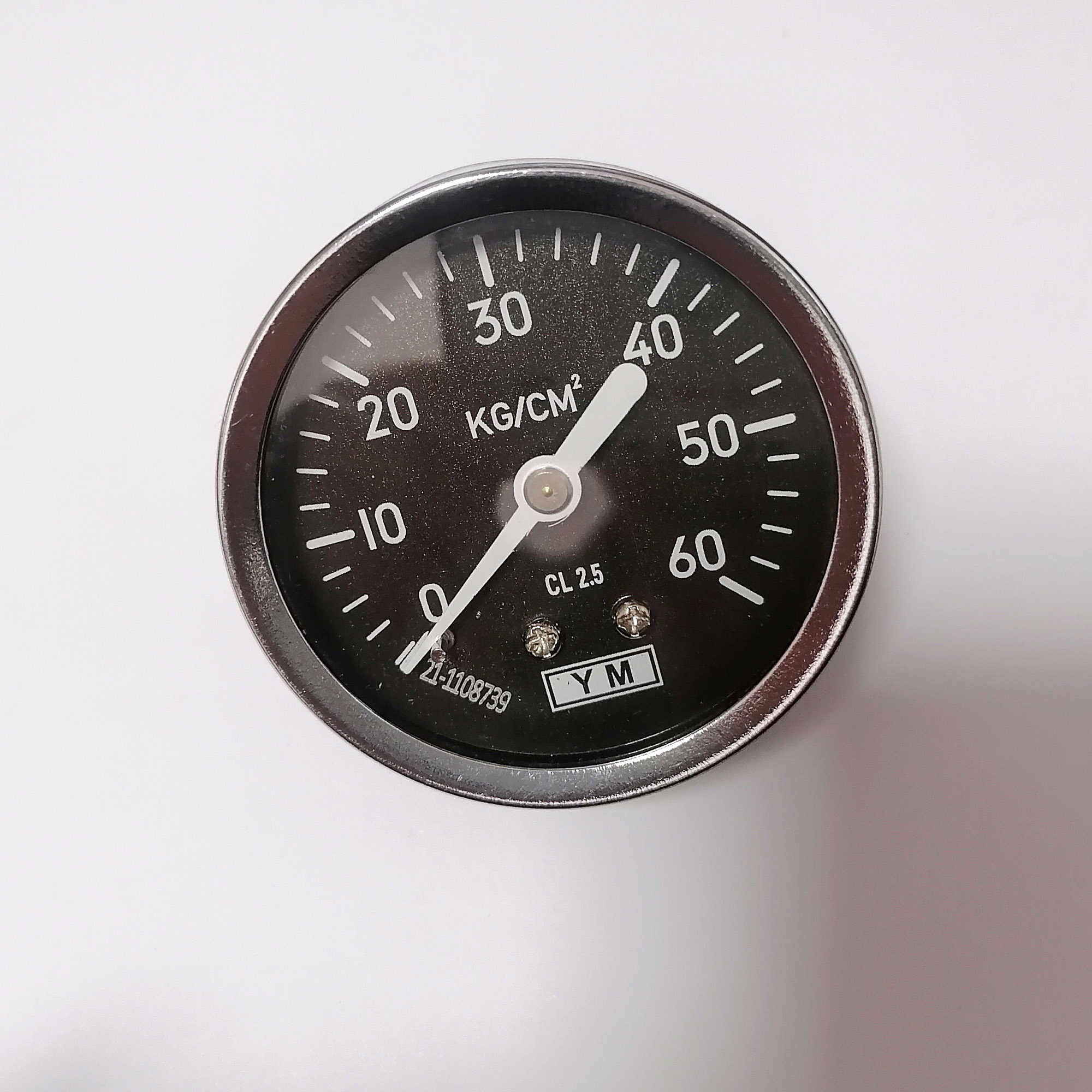
- Western Primary: MIL-STD-810 (Env.), MIL-STD-461 (EMC), MIL-STD-704 (Power), AS9100 (QMS), DO-160 (Env. Test), FAA TSO/EASA ETSO.
- Russian Primary: ГОСТ Р 54073-2010 (Env. Test), ГОСТ Р 51317-99 (EMC), ГОСТ 15150-69 (Climatic Versions), ОСТ (Industry Standards), АП (Aviation Rules).
- Quality Management: AS9100 (Global Aerospace) vs. ГОСТ Р ИСО 9001-2015 (Russian adoption of ISO 9001, but with specific state oversight).