XI'AN YUMU ELECTRONICS TECHNOLOGY CO.,LTD
Home> NEWS> Ammeter Aviation Applications and Installation - Aviation Ammeter

Ammeter Aviation Applications and Installation - Aviation Ammeter

2025,12,09

Ammeter Aviation Applications and Installation: Critical Monitoring for Electrical System Health

In the electrically complex environments of modern aircraft, UAVs, and ground support equipment, real-time monitoring of current flow is not just informative—it's a fundamental pillar of system safety and reliability. The Aviation Ammeter serves as the primary instrument for visualizing electrical load, charging system performance, and detecting potential faults. This comprehensive guide explores the diverse applications of aviation ammeters, details best-practice installation procedures, and provides B2B采购 managers, avionics integrators, and maintenance personnel with the knowledge to implement effective electrical monitoring using precision aviation instruments from YM.

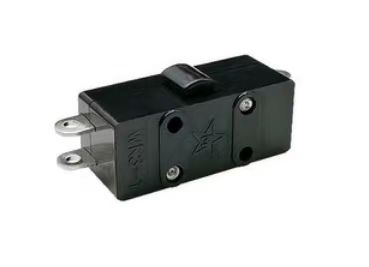
KNX 250V2A-1

Core Functions and Types of Aviation Ammeters

Understanding the role and varieties of ammeters is key to proper selection.

Primary Functions in Aviation Systems

  • Charging System Monitoring: The most common application. Shows the net current flowing into or out of the aircraft battery, indicating whether the alternator/generator is charging (positive indication) or the battery is discharging (negative indication).
  • Load Monitoring: Monitors current draw of specific high-power systems or the entire electrical bus, helping to prevent overloads and manage electrical power distribution.
  • Fault Detection: Abnormal current readings (excessively high, low, or fluctuating) can be an early warning of impending failures in motors, generators, or wiring.

Common Ammeter Technologies

  • Moving-Iron (Analog): Traditional, robust, and simple. Measures AC or DC based on design. Highly resistant to overloads and electrical noise, making them a classic choice for Military Aviation Aviation Instruments & Timers panels.
  • Moving-Coil (Analog): More sensitive and accurate for DC measurement. Requires a shunt for high currents. Often used in laboratory-grade panel instruments.
  • Digital Ammeters: Modern units with LED or LCD displays. Offer high precision, programmability (scaling, alarms), and can integrate with data buses. Increasingly popular for new glass cockpit designs and Aviation Aviation Instruments & Timers for Drone ground stations.
  • Shunt vs. In-Line: Most aviation ammeters for high currents use an external shunt—a low-resistance precision resistor placed in the main circuit. The ammeter itself measures the small voltage drop across the shunt, keeping heavy currents out of the cockpit.

Key Applications Across Aviation and Related Sectors

1. Manned Aircraft Cockpit Instrumentation

  • Master Ammeter: On the main electrical panel, showing total system charging/discharging status.
  • Generator/Alternator Load Meters: Individual meters for multi-generator aircraft to balance loads.
  • Essential Bus or Equipment Monitor: Monitoring current on critical circuits powering flight instruments or avionics.

2. Unmanned Aerial Systems (UAS)

Critical for managing limited onboard power.

  • Drone Power System Monitor: Integrated into the flight controller or ground control station to display total current draw from the battery, a key parameter for flight time estimation and detecting motor/propeller issues.
  • Payload Power Monitoring: Monitoring current to cameras, sensors, or communication jammers to ensure they operate within specifications.

3. Ground Support Equipment (GSE) and Test Benches

  • Power Cart/AGPU Monitoring: Displaying output current to ensure safe and adequate power is being supplied to the aircraft.
  • Aircraft Engine Test Cell Instrumentation: Monitoring starter motor current, generator output during engine runs, and other electrical parameters during maintenance and testing.

4. Industrial and Rail Applications

The principles translate directly to other transportation sectors requiring High quality Aviation Engine, Train, Plane grade reliability.

  • Locomotive Auxiliary Power Monitoring.
  • Specialized Vehicle Electrical System Panels.
default name

Critical Installation Guidelines and Best Practices

Incorrect installation is a leading cause of ammeter failure or inaccurate readings, with potential safety implications.

Pre-Installation Planning

  1. Select the Correct Range: Choose an ammeter with a range that exceeds the maximum expected current (including surges) by 20-25%. An undersized meter can be damaged.
  2. Choose the Right Shunt (if applicable): The shunt rating (e.g., 50mV, 100A) must match the ammeter's input specification and the circuit's current. The shunt must be installed in the correct leg of the circuit (typically the ground/return side for safety).
  3. Review Documentation: Thoroughly study the YM ammeter and shunt datasheets for specific wiring, torque, and isolation requirements.

Step-by-Step Installation Procedure for a Shunt-Based System

  1. Safety First - Power Down: Ensure the entire aircraft or system electrical power is OFF and isolated.
  2. Mount the Shunt:
    • Install the shunt on a solid, non-conductive, and cool surface. It will generate heat proportional to I²R.
    • Use the specified hardware and torque to connect the main high-current cables to the shunt's large terminals. These connections must be impeccable to avoid heating and voltage drop errors.
    • Ensure the shunt is oriented correctly (usually marked "+" and "-") relative to current flow.
  3. Run the Signal Wires:
    • Use twisted, shielded pair wire for the millivolt signal from the shunt's small terminals to the ammeter.
    • Keep this signal wiring away from high-current cables and sources of EMI (alternator fields, ignition).
    • Connect to the ammeter's correct terminals, observing polarity.
  4. Mount and Power the Ammeter:
    • Mount the ammeter in the panel securely, using any provided vibration dampers.
    • Connect the ammeter's own power supply (if digital) or illumination circuit as per the manual.
  5. Verification and Calibration:
    1. Before energizing the main circuit, verify all connections with a multimeter for continuity and absence of shorts.
    2. Apply power and use a known-accurate clamp meter to compare readings under various load conditions. Adjust calibration potentiometers if provided on the ammeter.
default name

Industry Trends and Technology Advancements

Integration with Digital Data Buses and Health Management Systems

Standalone analog gauges are giving way to smart sensors. Modern "ammeters" are often current transducers that output a digital signal (e.g., CAN bus, ARINC 429) proportional to current. This data feeds into central display units and aircraft health and usage monitoring systems (HUMS), enabling trend analysis and predictive maintenance for systems like the Aircraft Engine starter and generator.

Use of Non-Invasive Current Sensors (Hall-Effect & Current Transformers)

For retrofit or monitoring without breaking into high-voltage circuits, Hall-effect clamp-on sensors and AC current transformers (CTs) are increasingly used. They provide isolation and ease of installation. YM's R&D is developing hybrid instruments that combine a traditional panel meter with a remote, isolated sensor for maximum flexibility.

Enhanced Ruggedization and EMI Immunity

As electrical systems become more powerful and digitally noisy, ammeters must maintain accuracy. Advancements in internal filtering, shielding, and component selection ensure reliable performance in the harsh EMI environment near inverters and variable-frequency drives common in more electric aircraft (MEA).

YM's Capability in Precision Measurement

Producing an instrument that must remain accurate under vibration, temperature swings, and electromagnetic interference requires specialized manufacturing. YM's instrument facility features automated calibration stations where each ammeter is subjected to multiple precise current points across its range, with its output compared to a traceable standard. Our shunt production line uses alloy-resistance wire with near-zero temperature coefficient, ensuring minimal reading drift across operational environments.

R&D Focus: Accuracy Under Extreme Conditions

Our R&D team tackles the core challenge of maintaining measurement fidelity where it matters most. This includes developing signal conditioning algorithms for digital meters that reject high-frequency noise, and designing analog meter movements with magnetic temperature compensation. A key innovation is a patented shunt design with integrated temperature sensing that allows a smart meter to automatically compensate its reading, a critical feature for high-precision applications.

5 Key Procurement and Installation Concerns for Russian Market

For Russian aerospace and industrial integrators, specifying and installing ammeters involves these specific considerations:

  1. Dual Scale or Metric Compatibility: Preference for instruments with scales in both Amperes and, where relevant, older Russian standard units, or clear documentation for conversion.
  2. Robustness to Wide Temperature Swings and Condensation: Requirement for instruments and shunts that can withstand operational cycles from -50°C to +70°C without internal fogging or calibration drift, and with materials resistant to condensation-induced corrosion.
  3. Compliance with CIS Electrical Safety Standards (e.g., GOST R 50571): Verification that the installation method (shunt isolation, wire gauges, creepage distances) aligns with local electrical equipment standards for panels.
  4. Availability of Custom Scales and Ranges: Ability to provide instruments with scale ranges and markings tailored to specific Russian-built equipment or legacy systems.
  5. Localized Calibration and Service Support: Access to calibration services within the CIS that can certify instruments to the Russian State Metrology system requirements, with appropriate documentation.
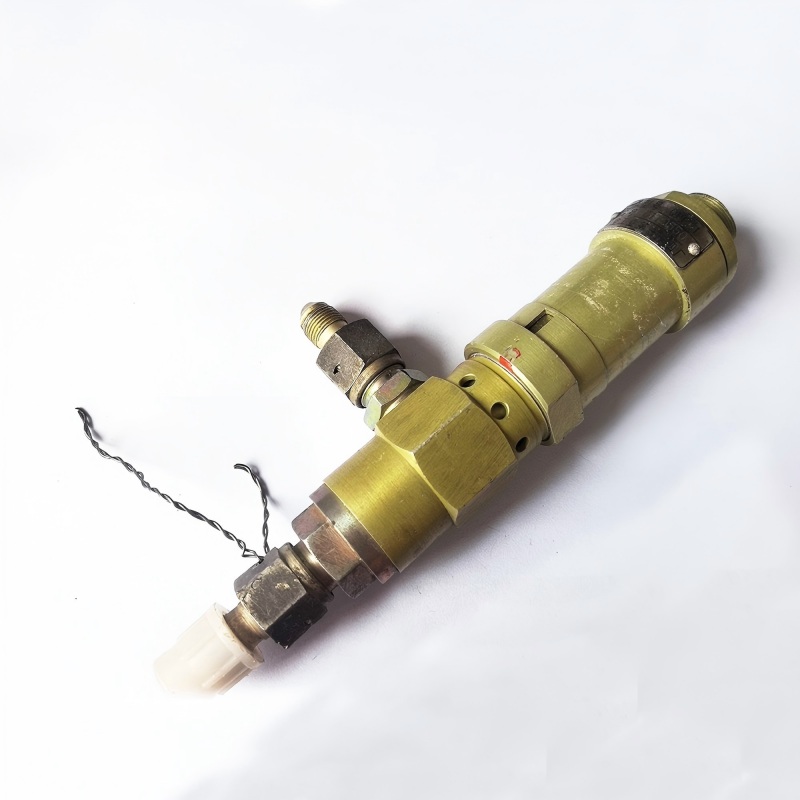
Aviation Magnetic Valve QDF-1

Operation, Maintenance, and Troubleshooting

Routine Operational Checks

  • Pre-Flight/Start-Up: Note the ammeter reading with all systems off (should be near zero or slightly negative if minor loads are on). Observe the charge indication during engine start and after alternator comes online.
  • In-Flight/Operation Monitoring: Be aware of normal readings for different configurations (e.g., with landing lights on, pitot heat on).

Common Issues and Diagnostic Steps

Symptom Potential Cause Investigation/Action
Ammeter reads zero at all times Blown fuse in meter circuit, open signal wire, failed shunt, defective meter. Check fuse. Measure mV across shunt with system loaded. If mV present, check wiring to meter. If no mV, inspect shunt connection.
Ammeter pegged at full scale Shorted signal wires, internal meter fault, shunt installed in wrong circuit leg (creating huge mV signal). Disconnect signal wires at meter. If needle drops, fault is in wiring/shunt. If still pegged, meter is faulty.
Erratic or fluctuating reading Loose connection at shunt or meter terminals, poor grounding, severe EMI interference. Check and torque all connections. Verify shield grounding on signal wire. Relocate wire route away from noise sources.
Consistent reading error (e.g., always 10% high) Incorrect shunt value for meter, miscalibrated meter, degraded shunt (resistance changed). Verify shunt rating matches meter spec. Re-calibrate if possible. Replace shunt if out of tolerance.

Relevant Standards and Certifications

Installation and performance are guided by key standards:

  • MIL-PRF-39000 Series: For electrical indicating instruments (including ammeters).
  • RTCA DO-160: Environmental test procedures.
  • SAE AS8034: Minimum performance standard for cockpit indicators.
  • FAA TSO-C6c: For electrical current indicating instruments.
  • ISO 26262 / IEC 61508: For functional safety considerations in design, relevant when the ammeter is part of a safety-critical monitoring system.
  • YM's design and manufacturing processes are aligned with these standards, and our TSO-C certified products provide a direct path to certified aircraft installation.


22818641060076144


Contact Us

Author:

Ms. Linda Deng

Phone/WhatsApp:

+86 13759943660

Popular Products
You may also like
Related Categories

Email to this supplier

Subject:
Email:
Message:

Your message must be between 20-8000 characters

Contact Us

Author:

Ms. Linda Deng

Phone/WhatsApp:

+86 13759943660

Popular Products

Contact

Send Inquiry

We will contact you immediately

Fill in more information so that we can get in touch with you faster

Privacy statement: Your privacy is very important to Us. Our company promises not to disclose your personal information to any external company with out your explicit permission.

Send