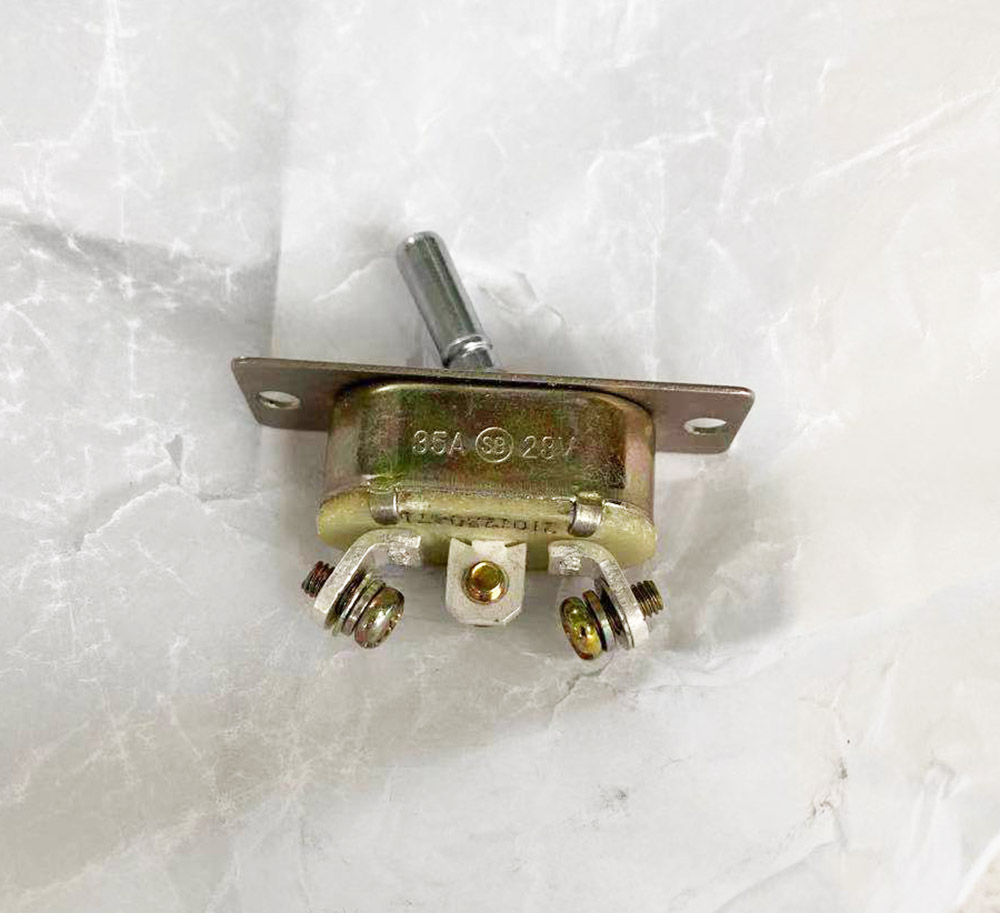
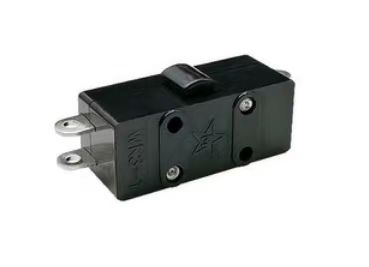
Aviation Electronics Future Outlook: Navigating the Next Frontier of Airborne Innovation
The aviation electronics sector stands at an inflection point, propelled by converging technological megatrends that promise to redefine aircraft capabilities, operational models, and supply chain dynamics. For procurement managers sourcing components from Military Aviation Relays to High Quality Aviation Engine monitoring systems, understanding this future outlook is critical for strategic planning and risk mitigation. This analysis explores the key drivers, emerging technologies, and paradigm shifts that will shape the next decade of aviation electronics, offering a roadmap for forward-thinking procurement strategies.
Megatrends Reshaping the Aviation Electronics Landscape
Three overarching forces are setting the direction for the industry's evolution, each with profound implications for component design, integration, and procurement.
1. The Digital & Connected Aircraft Ecosystem
The aircraft is evolving from a vehicle into a intelligent, networked node.
- Pervasive Connectivity: Integration of high-bandwidth, low-latency satcom (LEO constellations) and 5G-Aero will enable real-time data exchange for everything from Aviation Sensor streams to over-the-air updates, transforming maintenance and operations.
- Cyber-Physical Systems Security: As connectivity grows, cybersecurity will become an intrinsic, hardware-level property of every electronic component, from the flight computer to a smart Aviation Fuse.
- Digital Thread & Twin Ubiquity: A comprehensive digital thread will track each component's lifecycle, while its digital twin will enable virtual testing, prognostics, and supply chain optimization.
2. More Electric & Propulsion Revolution
The shift from pneumatic/hydraulic to electrical power is accelerating, alongside new propulsion methods.
- High-Voltage DC Architectures: Widespread adoption of 270VDC and higher systems will demand a new generation of components: HVDC-rated Military Aviation Contactors, advanced circuit protection, and high-efficiency power converters.
- Hybrid-Electric & Full Electric Propulsion: For urban air mobility (UAM) and regional aircraft, this creates massive demand for ultra-reliable high-power batteries, motor controllers, and thermal management systems.
- Sustainable Aviation Fuel (SAF) & Hydrogen Compatibility: New propulsion systems will require compatible sensors, seals, and control electronics designed for different operational environments.
3. Autonomous & AI-Enabled Operations
Intelligence is moving from the ground into the aircraft's core systems.
- Advanced Flight Control & Decision Support: AI and machine learning will augment pilots and enable autonomous functions, requiring immense onboard processing power and fail-operative systems.
- Intelligent Subsystems: Components will have embedded AI for edge processing. A smart Aviation Meter could diagnose power quality issues locally, while a relay predicts its own failure.
- Manned-Unmanned Teaming (MUM-T): The integration of drones and loyal wingmen will drive demand for secure datalinks, shared situational awareness systems, and interoperable control interfaces.
Technology-Specific Innovations on the Horizon
These megatrends are enabled by breakthroughs in specific technologies that will directly impact component design and selection.
New Technology R&D and Application Dynamics
- Wide Bandgap Semiconductors (SiC, GaN): Will become standard for power electronics, enabling smaller, lighter, and more efficient converters, motor drives, and solid-state power controllers (SSPCs), reducing aircraft weight and fuel burn.
- Photonics & Optical Data Buses: To handle exponentially growing data loads with immunity to EMI, optical fibers will replace copper for critical high-speed data links within avionics bays and between sensors.
- Additive Manufacturing (AM) for Electronics: 3D printing of conductive traces, antennas, and even embedded sensors directly onto structural components will enable radical new designs and weight savings.
- Advanced Materials & Packaging: Use of silicon carbide substrates, diamond heat spreaders, and advanced composites for thermal management and radiation hardening in high-performance computing modules.
Insight: The Russian & CIS Strategic Trajectory to 2035
Russia's future aviation electronics path will be defined by its doctrine of technological sovereignty and asymmetric capability development.
- Complete Import Substitution (Импортозамещение) for Critical Avionics: A relentless drive to domestically source or reverse-engineer every critical chip, display, and processor, leading to unique, sovereign component ecosystems for platforms like the Su-57 and Checkmate.
- Leadership in Directed Energy & Electronic Warfare (EW) Integration: Heavy investment in avionics that seamlessly integrate high-power microwave and laser systems, and in EW suites that can dominate the electromagnetic spectrum.
- Focus on Legacy Platform Modernization with "Digital Cores": Retrofitting older tactical aircraft (MiG-31, Su-24/34) with new mission computers, glass cockpits, and domestic AESA radars to extend their relevance, creating a sustained market for upgrade kits.
- Development of Autonomous Swarm Capabilities: Pursuing AI-enabled drone swarms controlled by manned aircraft, requiring advanced, secure communication relays and battle management avionics.
- Arctic-Optimized and EW-Hardened Designs: Components will be specifically developed for extreme cold operations and to survive and operate in the harshest contested electromagnetic environments, per GOST standards.
Strategic Implications for Procurement and Supply Chain
Procurement organizations must evolve to navigate this complex future:
- Shift from Commodity Buyer to Technology Scout & Partner:
- Procurement must actively monitor emerging tech (e.g., GaN, photonics) and identify qualified suppliers early, fostering partnerships for co-development.
- Embrace Modular, Open Systems Architectures (MOSA/SOSA):
- Mandate supplier compliance with open standards (FACE, SOSA) to ensure interoperability, ease future upgrades, and avoid vendor lock-in for critical systems.
- Develop Robust Cybersecurity & Supply Chain Security Protocols:
- Implement rigorous checks for all electronic components, demand SBOMs, and audit suppliers' secure development lifecycles. Cybersecurity must be a contractually binding deliverable.
- Build Resilience through Dual-Sourcing and Additive Manufacturing:
- For critical items like specialized sensors, qualify multiple sources. Explore the feasibility of AM for certified, on-demand spare parts to reduce logistics tail.
- Invest in Data Analytics and Lifecycle Management Skills:
- Develop in-house expertise to manage and derive value from the data generated by smart components, enabling predictive maintenance and optimized inventory.
YM's Vision: Engineering the Foundational Components for Tomorrow's Skies
YM is strategically positioning itself at the intersection of reliability and innovation, ensuring our components are ready for the challenges and opportunities of the coming decades.
Manufacturing Scale and Facilities: Agile and Digitally Native
We are investing in flexible, reconfigurable production lines that can efficiently handle both high-volume standard components and low-volume, high-mix advanced parts. Our new Advanced Packaging and Integration Center focuses on assembling and testing multi-chip modules and system-in-package (SiP) solutions that combine processing, sensing, and power delivery—the building blocks of future smart subsystems. This allows us to deliver more functionality in smaller, lighter form factors.
R&D and Innovation: Our "Next-Gen" Technology Pillars
Our R&D portfolio is centered on three pillars aligned with industry megatrends:
- Y-Edge AI Platform: Developing ultra-low-power AI accelerator chips that can be integrated into our meters and sensors, enabling real-time anomaly detection at the source without draining aircraft power.
- Y-Power GaN Initiative: Designing and qualifying a family of high-efficiency, high-frequency power conversion modules based on Gallium Nitride (GaN) for next-generation MEA and electric propulsion systems.
- Y-Connect Secure Core: A continually evolving hardware security module (HSM) that provides quantum-resistant cryptography and zero-trust authentication for our connected components, future-proofing them against emerging cyber threats.
Evolving Standards and the Regulatory Horizon
The future technical landscape will be guided by new and updated frameworks:
- Revised MIL-STD-704 & AS5692: Standards will evolve to fully encompass HVDC power quality and the performance of solid-state power distribution components.
- DO-326A/ED-202A & Future Updates: Cybersecurity standards will become more stringent, likely extending deeper into component-level requirements and software supply chains.
- ASTM/SAE Standards for Additive Manufacturing: Comprehensive standards for qualifying and certifying 3D-printed aerospace parts, including electronics, will become mainstream.
- EU Aviation Safety Agency (EASA) & FAA Regulations for AI/ML: New regulatory frameworks for certifying airborne AI and autonomous functions will emerge, impacting associated hardware.
- GOST R & СТО Standards for Sovereign Technologies: Russia will develop parallel standards for its domestic technologies, from AESA radars to AI chips, creating a distinct compliance pathway.
Frequently Asked Questions (FAQ)
Q: How will the role of traditional electromechanical components (like relays and contactors) change in a "More Electric" and digital future?
A: Their role will evolve, not disappear. While SSPCs will replace them in many low-to-medium power, fast-switching applications, traditional electromechanical contactors and relays will remain vital for:
- Ultra-High Current & Fault Isolation: Providing robust, galvanic isolation and interrupting massive fault currents in main power distribution.
- Hybrid Architectures: Acting as reliable backup switches in systems that primarily use SSPCs.
- "Smart" Electromechanical Devices: Incorporating sensors and communication to report health and predict failure, becoming intelligent nodes in the power management network.
Their value will shift towards extreme reliability and safety in critical paths.
Q: What is the biggest barrier to adopting new technologies like GaN or photonics in certified aviation programs?
A: Certification cost and timeline. The aerospace industry's rigorous certification processes (DO-254, DO-160) are designed for mature technologies. Proving the long-term reliability and failure modes of new materials like GaN under extreme environmental stress requires extensive (and expensive) testing and data collection. The barrier is not technical feasibility but the cost of generating the certification evidence to satisfy airworthiness authorities. Early adoption will happen in military or non-critical applications first.
Q: How can procurement teams future-proof their decisions today given the rapid pace of change?
A: Focus on flexibility, data, and partnerships.
- Specify Open Interfaces: Choose components that adhere to open hardware/software standards, making future upgrades easier.
- Prioritize Data Accessibility: Select components that provide health and usage data. This data asset will only grow in value.
- Engage in Strategic Supplier Relationships: Work with suppliers who have clear R&D roadmaps and the financial stability to invest in next-gen technologies. Participate in early adopter programs.
- Build In-House Tech Assessment Capability: Have a small team dedicated to evaluating emerging technologies for their relevance and maturity for your applications.The goal is to make decisions that keep options open.