
Aviation Electronics Wiring Best Practices: A Procurement and Integration Guide
For B2B procurement managers and integrators in the aerospace sector, the reliability of an aircraft's electrical system hinges not only on the quality of components like Military Aviation Contactors and Aviation Sensors but equally on the integrity of the wiring that connects them. Proper wiring practices are fundamental to ensuring safety, reducing electromagnetic interference (EMI), facilitating maintenance, and achieving airworthiness certification. This comprehensive guide details essential aviation wiring best practices, connecting the dots between component specification and robust system integration for platforms ranging from commercial airliners to specialized Aviation Meter for Drone systems and High quality Aviation Engine test rigs.

Fundamental Principles of Aerospace Wiring
Aviation wiring must withstand extreme environmental stresses while maintaining perfect electrical performance. Adherence to these core principles is non-negotiable.
1. Standards Compliance and Documentation
Every step must be traceable to an approved standard.
- Primary Standards: SAE AS50881 (Wiring Aerospace Vehicle) is the foundational document. MIL-STD-5088 (formerly) provides military-specific requirements.
- Wire and Cable Specifications: Use wires that meet standards like MIL-W-22759 (insulated wire) or AS22759, ensuring they are rated for the required temperature, voltage, and fluid resistance (e.g., against Skydrol hydraulic fluid).
- As-Built Documentation: Maintain accurate wiring diagrams, wire run lists, and harness assembly drawings. This is critical for troubleshooting and future modifications.
2. Wire Selection and Sizing
Correct wire selection is the first line of defense against failure.
- Ampacity and Derating: Select wire gauge based on continuous current load, then apply derating factors for bundles (MIL-W-5088), ambient temperature, and altitude. Undersized wires overheat.
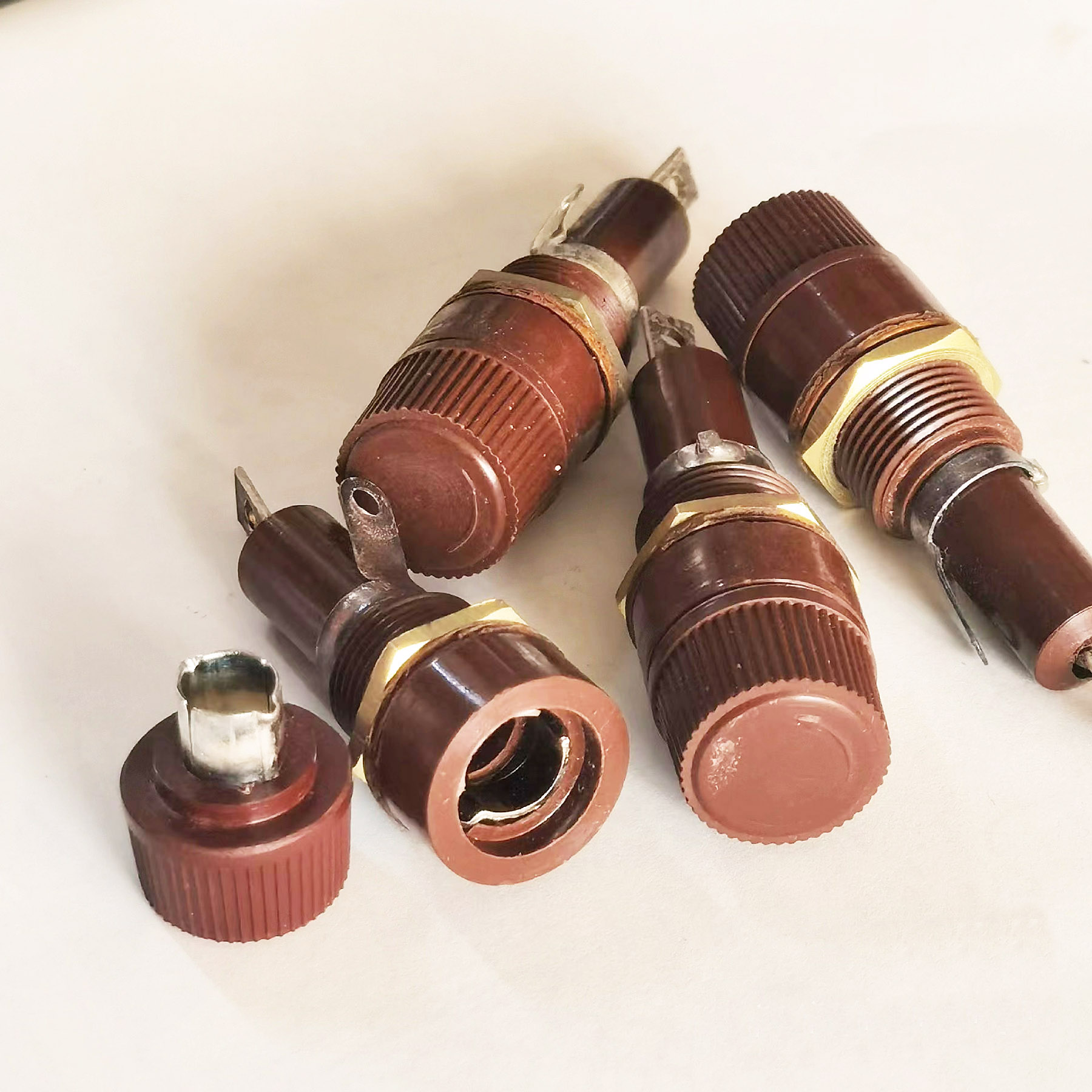
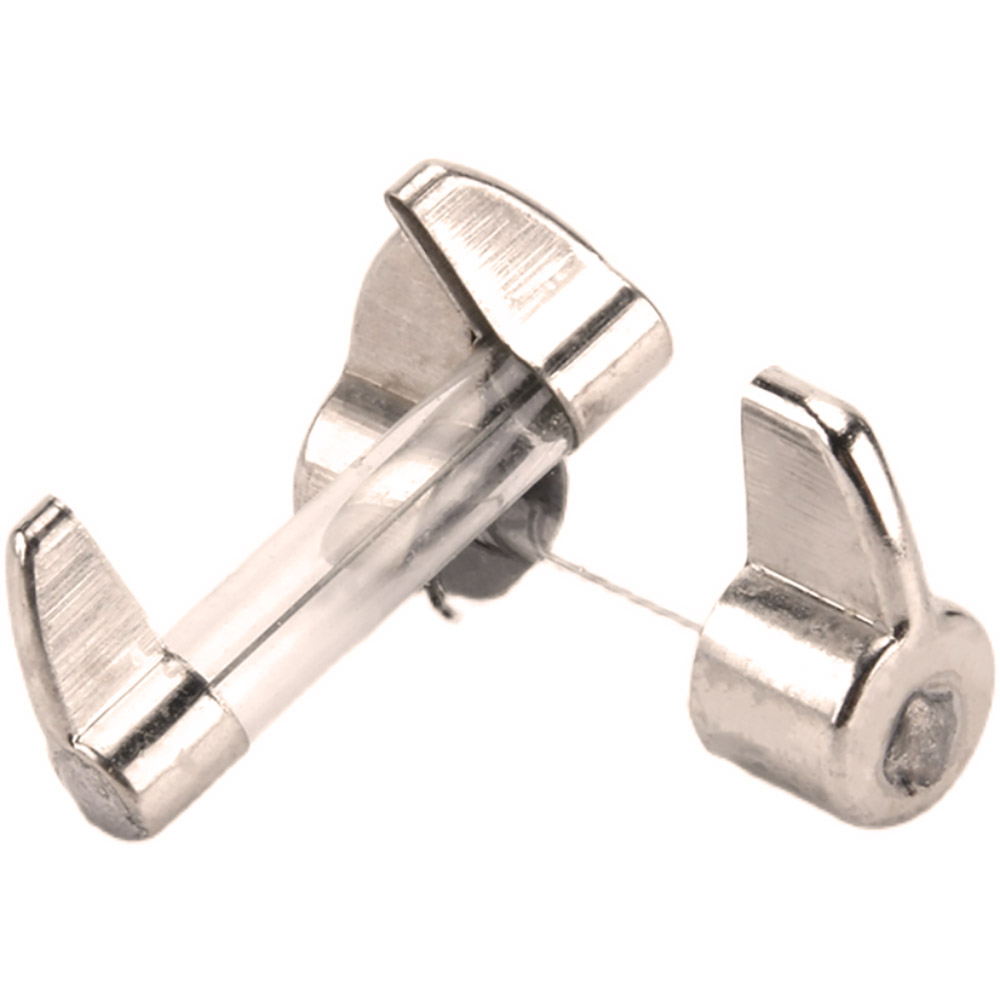
- Circuit Protection Coordination: The wire must be protected by an Aviation Fuse or circuit breaker rated at or below the wire's ampacity. The fuse protects the wire, not the equipment.
- Shielding for Signal Integrity: For low-voltage signals from sensitive Aviation sensors or data buses, use shielded twisted-pair or coaxial cable to mitigate EMI.
Critical Installation Best Practices: Step-by-Step
1. Harness Routing and Support
Proper routing prevents chafing, stress, and interference.
- Maintain Clearance: Route wires away from sharp edges, moving parts, and high-heat sources (like Aircraft Engine ducts). Use edge guards or grommets when passing through bulkheads.
- Secure at Regular Intervals: Use cushioned clamps (e.g., P-clamps) per standards (typically every 12-24 inches). Wires should be snug but not compressed within the clamp.
- Separate Power and Signal: Route high-current power cables (to a Military Aviation Contactor) separately from low-level signal cables. If they must cross, do so at 90-degree angles.
- Provide Slack and Service Loops: Include deliberate slack at connection points and service loops near equipment for future disconnection without stress.
2. Termination and Connection Integrity
A connection is only as good as its termination.
- Crimping Excellence: Use calibrated, ratcheting crimp tools and MIL-SPEC connectors (e.g., MIL-DTL-38999 series). Perform pull tests on sample crimps.
- Never solder alone: Solder wicks under vibration and is prohibited for primary terminations in high-vibration areas. Crimp is the standard.
- Proper Stripping: Strip only the length required by the terminal. Avoid nicking the conductor. Use thermal strippers for Teflon-insulated wires.
- Backshell and Shielding Termination: For shielded cables, properly terminate the shield to the connector backshell with a 360-degree bond. "Pigtail" connections degrade EMI performance.
- Torque Specifications: Use a calibrated torque wrench on all screw-type terminal blocks (e.g., on an Aircraft Contractor or power distribution panel).

3. Bonding and Grounding
Effective grounding is crucial for safety and EMI control.
- Single-Point Ground Reference: Establish a clean, low-impedance ground point for the system. Avoid ground loops by not grounding equipment at multiple structural points.
- Bonding for Safety: Bond all metal enclosures, racks, and conduit to the aircraft structure to prevent static buildup and ensure a safe path for fault currents.
- Shield Grounding: Typically, ground cable shields at one end only (usually the source end for sensors) to prevent ground loop currents in the shield itself.
Procurement Manager's Wiring Checklist for Suppliers
When sourcing wiring harnesses or integrated systems, verify your supplier's capabilities against this list.
- Certifications and Processes: Does the harness shop hold AS9100 certification? Do they use documented, controlled processes for cutting, stripping, and crimping?
- Material Traceability: Can they provide batch traceability for wire, connectors, and terminals back to the original manufacturer's C of C?
- Test and Inspection Reports: Request reports for continuity, hi-pot (dielectric withstand), and insulation resistance testing performed on completed harnesses.
- Design Support: Do they offer engineering support for harness design, including EMI analysis and optimized routing to reduce weight?
- Labeling and Documentation: Ensure harnesses are clearly labeled with part numbers, and delivered with a wiring list and diagram that matches the as-built unit.
Industry Trends and Technological Advancements
Innovations in Wiring and Integration
- Fiber Optics and Data Networks: Increasing use of fiber optic cables (MIL-PRF-29504) and high-speed data buses (ARINC 664, Ethernet) for avionics networks, reducing weight and EMI susceptibility compared to massive copper bundles.
- Wireless Sensor Networks: For non-critical monitoring, wireless transmitters reduce wiring complexity and weight. Challenges remain in powering sensors and certification for flight-critical data.
- Additive Manufacturing of Conduit and Brackets: 3D printing to create lightweight, complex-form cable guides, brackets, and integrated conduit systems that optimize routing in tight spaces.
- Smart Harnesses with Embedded Diagnostics: Research into harnesses with integrated circuitry to detect and locate chafing, insulation breakdown, or connector degradation before failure.
- High-Temperature Materials: Development of new wire insulations (e.g., cross-linked polymers) capable of sustained operation at higher temperatures near engines, reducing the need for heavy thermal protection.
Focus: Russian & CIS Market Wiring Standards and Practices
Integration for this market requires understanding of regional norms.
- GOST Wire and Component Standards: Wiring must often comply with GOST standards (e.g., GOST 23586 for installation) in addition to or instead of Western specs. Dual-compliant materials are key.
- Documentation in Russian: Wiring diagrams, harness drawings, and maintenance manuals must be provided in Russian, using regional schematic symbols and terminology.
- Cold Climate Considerations: Specified use of wire types and insulation materials validated for extreme cold flexibility. Special attention to cold-induced brittleness in cable ties and conduit.
- Legacy System Interface: Wiring interfaces for older platforms may require specific, sometimes proprietary, connector types and pinouts unique to Soviet-era equipment.
- Emphasis on Mechanical Protection: A traditional preference for robust, metal conduit protection over open harness routing in many applications, influenced by harsh operating environments.
Key Industry Standards and Safety Regulations
A non-exhaustive list of governing documents for aviation wiring.
- SAE AS50881: Wiring Aerospace Vehicle. The comprehensive "how-to" standard for design and installation.
- FAA AC 43.13-1B: Acceptable Methods, Techniques, and Practices. A practical guide for maintenance and alteration wiring.
- MIL-STD-461: Requirements for the control of electromagnetic interference characteristics. Dictates shielding and grounding practices.
- RTCA/DO-160: Environmental test conditions. Section 18 covers lightning induced transients, affecting bonding and shielding design.
- National Electrical Code (NEC) / IEC Standards: While not directly applicable in-flight, they inform best practices for ground support equipment like Aviation Meter for Drone charging stations.
YM's Integrated Wiring and Component Capabilities
At YM, we understand that components and wiring are a unified system. Our 22,000 sqm electromechanical integration facility houses a state-of-the-art wiring harness shop alongside our component production lines. This co-location allows for seamless integration—for example, a Military Aviation Relay panel can be delivered pre-wired with custom-length, tested harnesses that plug directly into your system, reducing your integration time and error risk.
Our R&D team includes electrical engineers specializing in signal integrity and EMI/EMC. We have developed proprietary ShieldSync™ termination techniques for high-speed data cables used with our advanced Aviation sensors, ensuring signal integrity in the noisy environment of a modern aircraft. Furthermore, our investment in automated wire processing and laser marking equipment ensures every harness produced in our factory meets the repeatable precision required for aerospace applications.
Practical Guide: Wiring Inspection and Maintenance
5-Step Pre-Flight/Periodic Inspection Routine:
- Visual Inspection: Look for cracked or discolored insulation, chafing against structure, loose or corroded connections, and damaged clamps.
- Connector Inspection: Check for loose coupling nuts, bent pins, or contamination in connectors. Ensure backshells are secure and strain relief is intact.
- Continuity and Resistance Check: For critical circuits, perform a continuity check and measure resistance to ensure it hasn't increased due to a failing connection.
- Insulation Resistance Check: Periodically perform a "megger" test (using a megohmmeter) to detect insulation breakdown, especially in areas exposed to fluids or high heat.
- Review of Maintenance Records: Check for recurring issues with specific circuits that might indicate a systemic wiring problem.
Common Wiring Pitfalls to Avoid:
- The "Daisy Chain" Ground: Connecting multiple grounds in series instead of individual runs to a common point, creating voltage differentials and noise.
- Ignoring Bend Radius: Bending coaxial or shielded cable too tightly, damaging the shield and affecting performance.
- Incorrect Strip Length: Too much exposed conductor can cause shorts; too little can result in a weak crimp.
- Over-tightening Tie-Wraps: Compressing the wire bundle, which can damage insulation over time.

FAQ: Aviation Electronics Wiring
Q: What is the proper way to route wiring near a high-current device like a Military Aviation Contactor?
A: Keep power cables to the contactor as short and direct as possible, using the appropriate large gauge wire. Secure them tightly to prevent movement that could loosen terminals. Route any sensitive signal wiring at least 6-12 inches away, and if they must run parallel, do so for the shortest distance possible and consider using a grounded metal separator.
Q: Can I use commercial off-the-shelf (COTS) wire and connectors in a military aerospace application?
A: Generally, no. Aviation and MIL-SPEC wires have specific requirements for smoke toxicity, fluid resistance, temperature rating, and flammability that COTS parts do not meet. Using them would violate certification requirements and pose a safety risk. Always specify wire and connectors that meet the called-out standards in the design document.


