
Send Message
Privacy statement: Your privacy is very important to Us. Our company promises not to disclose your personal information to any external company with out your explicit permission.

The modern battlefield and aerospace landscape are increasingly defined by data. The seamless Military Sensor Networks Integration is no longer a futuristic concept but a critical operational necessity. This integration creates a cohesive, real-time information web, significantly enhancing situational awareness, command and control, and ultimately, mission success. For B2B procurement specialists in the aerospace and defense sector, understanding the technology driving this integration and the components that enable it is paramount for securing reliable, high-performance supply chains.

The push towards multi-domain operations is fueling rapid advancements. Key trends include the rise of AI and Machine Learning for predictive analytics and data fusion, the implementation of robust cybersecurity protocols for hardened networks, and the move towards open architecture systems that allow for interoperability between platforms from different manufacturers and nations. These advancements demand components that are not only reliable but also intelligent and secure by design.
Research is heavily focused on miniaturization, power efficiency, and cognitive EW (Electronic Warfare) capabilities. For instance, next-generation Aviation Sensors are being developed with embedded processing to pre-filter data at the edge, reducing bandwidth load on the central network. Similarly, smart Military Aviation Relays and Aircraft Contactors are incorporating health monitoring features, communicating their status directly into the maintenance log of the integrated network for predictive upkeep.
Procurement managers sourcing for global markets, including from regions like Russia and the CIS, must navigate a complex set of priorities. Based on market analysis, the top five concerns are:
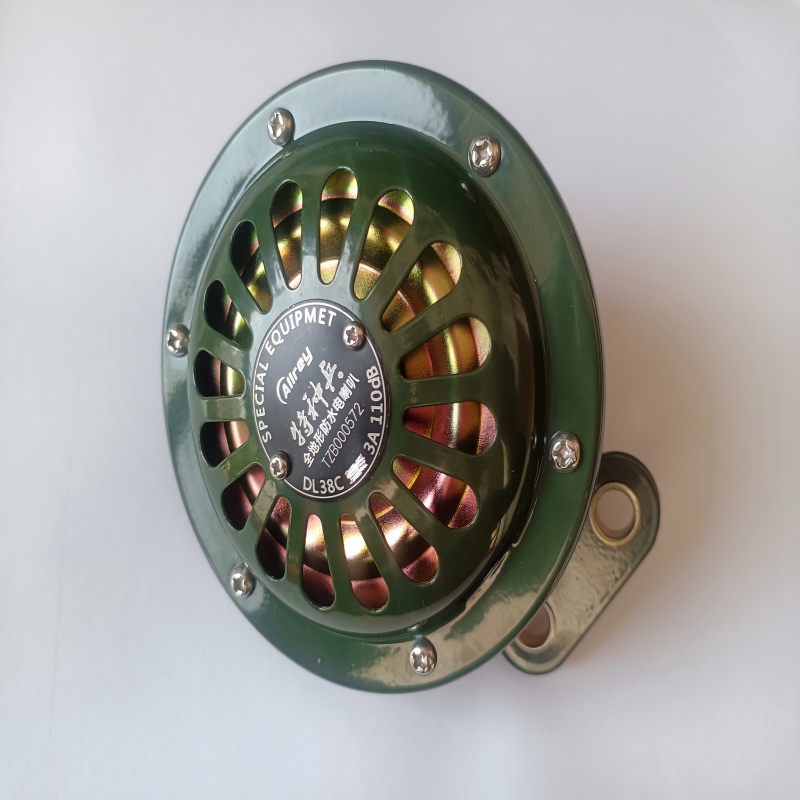
The efficacy of an integrated network hinges on the quality and reliability of its individual components. Key products include:
Reliable power is the lifeblood of any system. A Military Aviation Contactor acts as a robust remote-controlled switch, managing high-current flow to critical systems. Paired with precise Military Aviation Relays for circuit control and safeguarded by specialized Aviation Fuses, they form an indestructible power backbone for aircraft and ground stations.
Data acquisition starts here. Advanced Aviation Sensors monitor everything from engine turbine inlet temperature to cabin pressure. For UAV applications, specialized Aviation Meters for Drones provide essential flight data. Monitoring a High Quality Aviation Engine requires a suite of these sensors, feeding real-time performance data directly into the health and usage monitoring system (HUMS) within the wider network.

Compliance ensures safety and interoperability. Key standards include MIL-DTL-83726 for relays, MIL-PRF-23419 for fuses, and various DO-160 standards for environmental testing. A reputable supplier doesn't just meet these standards but designs with them as a baseline, often exceeding requirements for critical applications in Train and Plane militarized systems.
Proper handling extends component life. Follow these steps for storage and installation of sensitive components:
At YM, we understand the critical role our components play within larger systems. Our factory scale and facilities, spanning over 50,000 sq. meters, house state-of-the-art automated production lines and environmental test chambers capable of simulating the most extreme conditions, ensuring every Aviation Meter and relay is battle-ready.
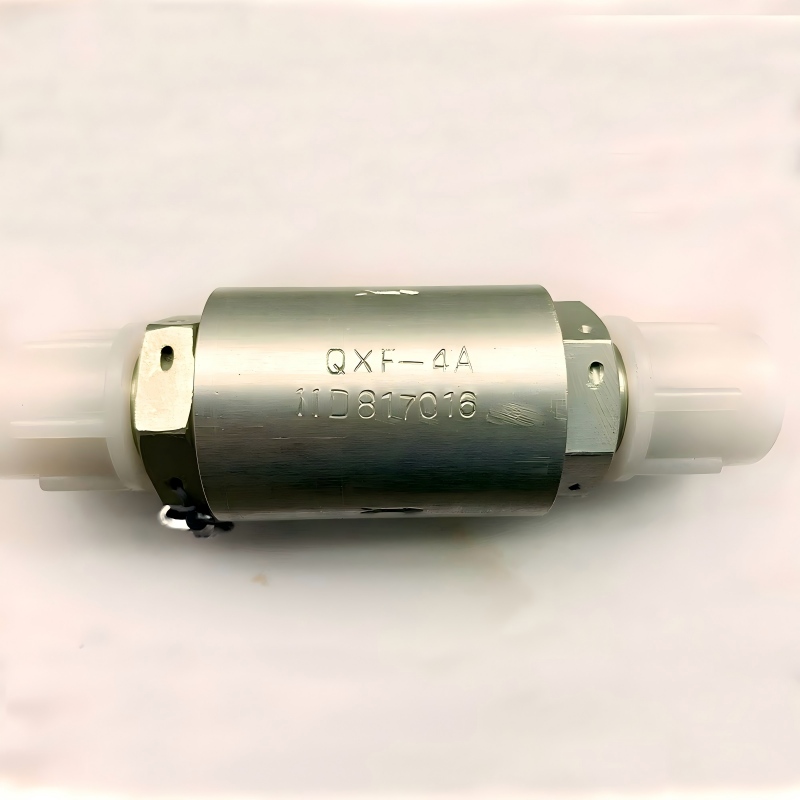
This manufacturing prowess is driven by our R&D team and innovation成果. Our dedicated engineering center, staffed with experts in aerospace electromechanics, focuses on developing next-generation solutions. Recent innovations include a proprietary sealing technology for connectors used in Military Sensor Networks Integration and a patented low-energy holding circuit for our flagship Aviation Relay series, reducing overall system power draw.

A: Our design philosophy is based on open standards. We actively participate in industry working groups and design our Aviation Sensors and contactors to meet or exceed the communication protocols and physical interfaces specified in common architecture frameworks.
A: We adopt a "security-by-design" approach. For intelligent components that communicate data, we incorporate hardware-based security modules and support secure boot and encrypted communication protocols to protect data integrity within the Military Sensor Networks Integration.
A: Absolutely. We maintain extensive component libraries and offer lifetime buy programs and form-fit-function replacement solutions. Our commitment is to ensure the long-term sustainability of your systems, from legacy Plane upgrades to new UAV platforms.

March 17, 2026

December 12, 2025

December 12, 2025

December 12, 2025
Email to this supplier
March 17, 2026
December 12, 2025
December 12, 2025
December 12, 2025
Contact

Send Inquiry
Related Products List
Privacy statement: Your privacy is very important to Us. Our company promises not to disclose your personal information to any external company with out your explicit permission.
Fill in more information so that we can get in touch with you faster
Privacy statement: Your privacy is very important to Us. Our company promises not to disclose your personal information to any external company with out your explicit permission.