
Send Message
Privacy statement: Your privacy is very important to Us. Our company promises not to disclose your personal information to any external company with out your explicit permission.

Selecting the right relay technology is a fundamental decision in the design of control systems for aviation, defense, and industrial applications. The choice between Polarized Relays and their non-polarized counterparts has significant implications for circuit complexity, power consumption, functionality, and overall system reliability. This in-depth comparison provides B2B采购 managers and design engineers with a clear, technical framework to evaluate both types, enabling informed decisions that align with specific application requirements and optimize performance in high-stakes environments.
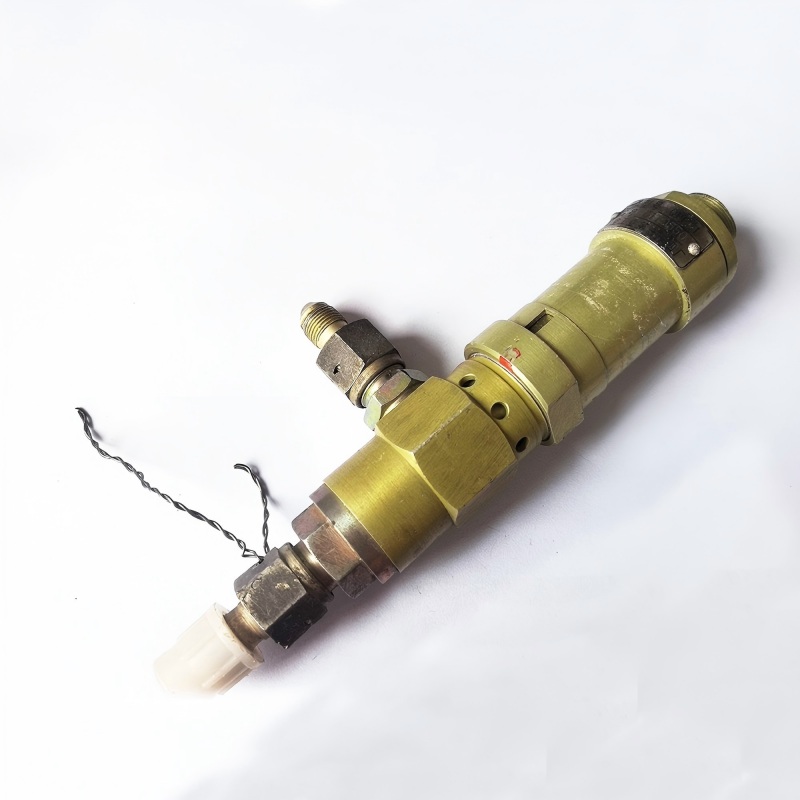
The divergence begins at the most basic level: the magnetic circuit.
The following table summarizes the critical differences that impact design and selection:
| Parameter | Polarized Relay (e.g., JH-1S/JH-2S) | Non-Polarized Relay |
|---|---|---|
| Coil Power Sensitivity | Very High. Low coil power required (e.g., 150-300 mW) due to magnetic field assistance from the permanent magnet. | Lower. Requires higher coil power (e.g., 500 mW to 2W) to generate the entire magnetic field. |
| Power Consumption (Steady State) | Negligible (Latching type). Only consumes power during the brief SET/RESET pulse. | Continuous. Draws full coil power whenever the relay is energized. |
| Functionality | Direction Sensing & Memory. Can differentiate signal polarity. Latching types provide state memory without power. | Simple On/Off. No polarity discrimination. No memory (unless held energized). |
| Drive Circuit Complexity | Higher. Requires a bidirectional (H-bridge) driver to generate positive and negative pulses for SET and RESET. | Lower. Can be driven by a simple transistor switch or logic output. |
| Switching Speed | Typically Faster. Benefiting from the permanent magnet bias. | Standard. Speed depends on coil inductance and spring force. |
| Contact Rating (Typical) | Lower to Moderate. Often optimized for signal switching or pilot duty (e.g., 2-10A). | Wider Range. Available from signal level up to very high power (100A+). |
| Cost & Complexity | Higher. More complex internal construction with permanent magnet. | Lower. Simpler, more standardized construction. |
| Vibration/Shock Resistance | Critical Design Factor. Must be designed to prevent the permanent magnet's bias from causing chatter or unintended switching under shock. When properly designed (as in YM's relays), it is excellent. | Easier to achieve. No permanent magnetic field to interact with vibration. |
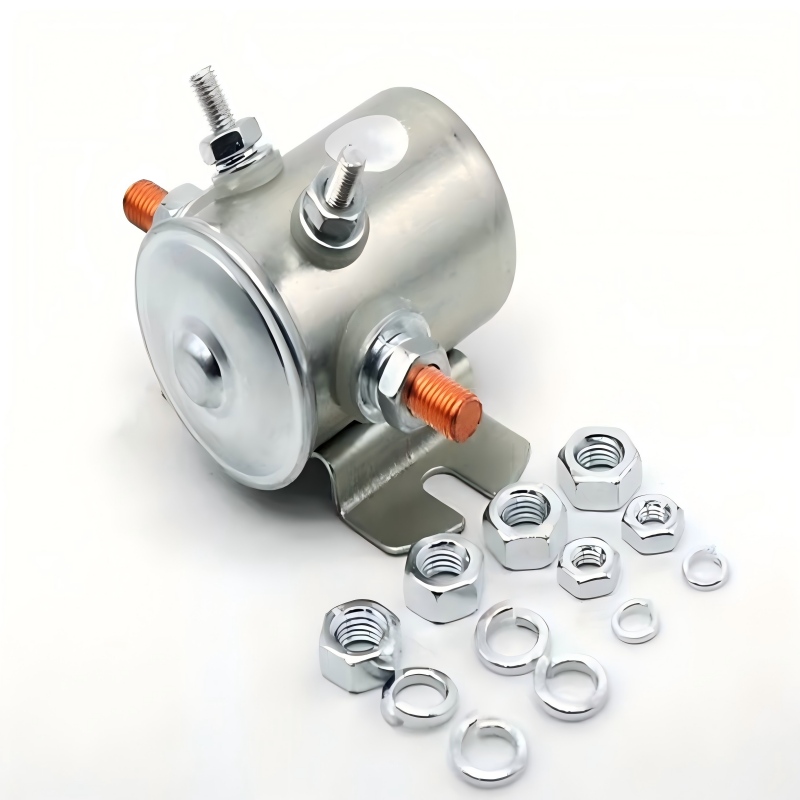
YM offers comprehensive selection guides and tools to help navigate this decision based on your specific parameters.
Both relay types face competition from Solid-State Relays (SSRs). However, the trend is towards hybridization and co-existence. Polarized relays maintain an edge in ultra-high reliability, galvanic isolation, and transient immunity for critical signal paths. Non-polarized relays dominate cost-sensitive, high-power AC switching. YM's strategy is to excel in the high-reliability electromechanical niche while investing in SSR technology for appropriate applications, offering customers a complete power switching portfolio.
Demand continues for smaller, lighter relays that don't sacrifice performance. This is particularly challenging for polarized relays due to the magnet. YM's R&D uses advanced magnetic simulation to optimize flux paths, allowing for compact Military Aviation Polarized Relays that meet the same sensitivity specs as larger predecessors. Concurrently, advanced laser welding and molding techniques provide hermetic and environmental sealing for both types, essential for High quality Aviation Engine, Train, Plane applications.
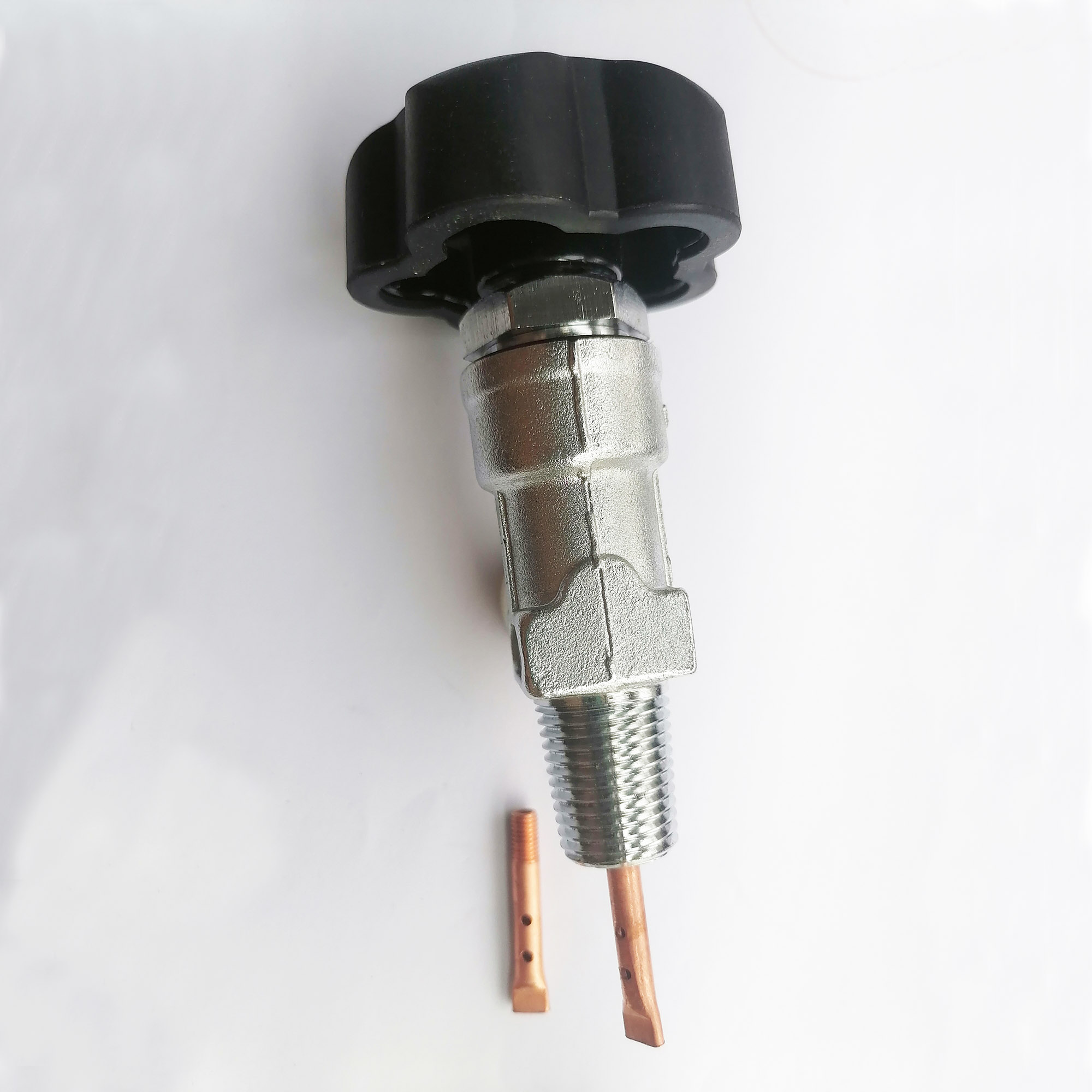
Producing both relay types to aviation and military standards requires distinct, specialized processes. Our 25,000 sq.m. manufacturing hub features separate, optimized production lines. The polarized relay line includes magnetizing and aging stations to stabilize permanent magnets, and precision balance systems to ensure the armature moves freely without bias. The non-polarized relay line focuses on high-speed assembly and testing of high-current contact assemblies. Both lines converge at our final test laboratory, where every relay undergoes 100% electrical, functional, and for polarized types, sensitivity grading.
Our R&D team is structured to innovate in parallel. For polarized relays, the focus is on magnetic circuit stability over extreme temperature cycles, a key challenge solved by our patented thermal compensation shims. For non-polarized relays, research centers on new contact materials and geometries to achieve higher electrical life and better arc interruption, particularly for the demanding DC switching needs of modern Aircraft Engine and electric vehicle systems. This dual-track investment ensures YM remains at the forefront of both foundational and specialized relay technologies.
When evaluating the polarized vs. non-polarized decision, Russian system architects prioritize:

| Failure Symptom | Polarized Relay Likely Cause | Non-Polarized Relay Likely Cause |
|---|---|---|
| Fails to Switch | Weak drive pulse, degraded permanent magnet, mechanical binding. | Open coil, insufficient coil voltage, mechanical binding. |
| Switches Erratically | External magnetic interference, vibration at resonant frequency, contaminated contacts (for signal level). | Chatter due to low coil voltage, excessive vibration, bouncing contacts. |
| High Contact Resistance | Contact oxidation (especially in dry-circuit use), worn contacts. | Arcing damage from switching inductive loads, contact wear. |
Both relay types are governed by overlapping but sometimes distinct standards.

March 17, 2026

December 12, 2025

December 12, 2025

December 12, 2025
Email to this supplier
March 17, 2026
December 12, 2025
December 12, 2025
December 12, 2025
Contact

Send Inquiry
Related Products List
Privacy statement: Your privacy is very important to Us. Our company promises not to disclose your personal information to any external company with out your explicit permission.
Fill in more information so that we can get in touch with you faster
Privacy statement: Your privacy is very important to Us. Our company promises not to disclose your personal information to any external company with out your explicit permission.